News Summary
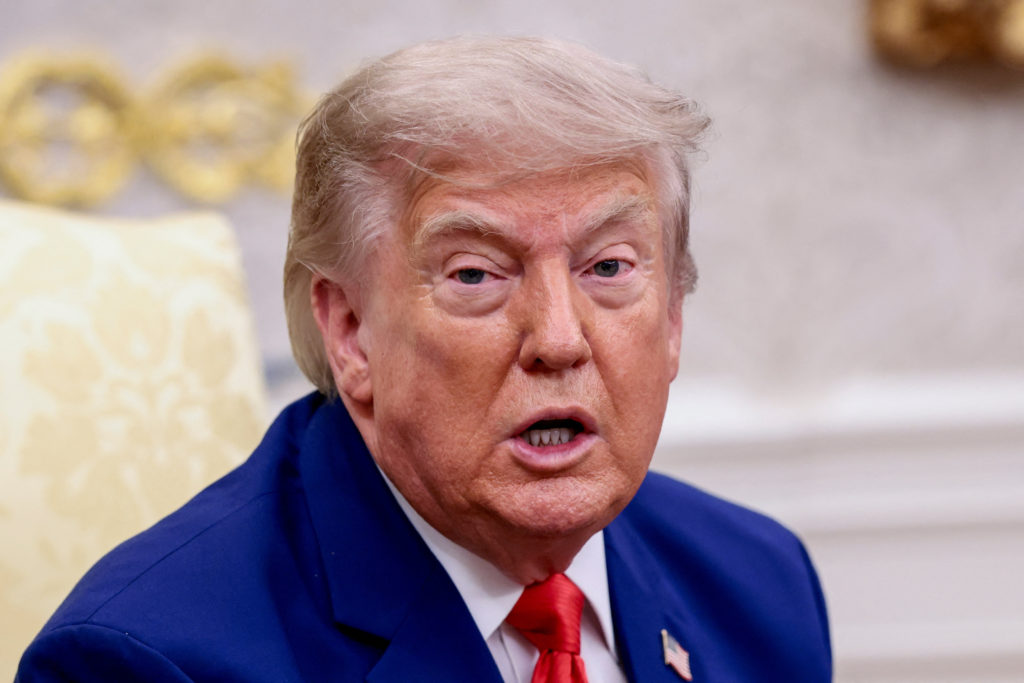
Reported facts: PBS NewsHour published a report that President Donald Trump said the U.S. will soon target the area near Pickaxe Mountain and that it would be hit "very heavily." The article describes Pickaxe Mountain as a fortified underground site near one of Iran's main nuclear enrichment facilities. Attributed claims: the report attributes the statements and intent to President Trump. Uncertainties: the report does not provide confirmation from U.S. military authorities, the Pentagon, allied governments, or Iranian officials; it does not specify orders, operational timelines, legal authorization, or expected civilian impacts.
Source and Framing Analysis
The article is a short news item relaying a presidential statement; it is framed around a direct quote and an asserted description of Pickaxe Mountain. Material uncertainties affecting the story include absence of independent confirmation of operational plans, lack of military or diplomatic sourcing, and no comment from Iranian authorities. The piece functions chiefly as reporting of a leader's public remark rather than investigative verification of imminent military action.
Biblical Reflection
President Trump's statement, as reported, is a direct, public expression of intent to target an area linked to Iran's nuclear infrastructure. The language is militarily specific and escalatory; even as a rhetorical deterrent it raises the risk of miscalculation and could increase fear among civilians in the region. Christians should attend to both truth and prudence: confirmable facts matter, but so do the likely human consequences when military rhetoric precedes or replaces transparent diplomatic strategy.
A Christian response centers on care for vulnerable people and a commitment to justice and peace. Scripture repeatedly values pursuing peace, restraining the impulse for revenge or spectacle, and protecting the innocent. While governments have a legitimate role in protecting citizens, believers should be wary of rhetoric that personalizes complex security decisions or that frames force as the primary or only instrument of justice. We should pray for wisdom for leaders, accountability in planning that minimizes civilian harm, and robust efforts at diplomacy and verification alongside any security measures.
Finally, Christians must practice humility in public conversation: avoid celebrating threats, resist fear-driven partisanship, and advocate for measures that prioritize human life. Where claims are uncertain or uncorroborated, promote caution and demand clear information from authorities so that the church can offer measured moral witness, compassionate care for those affected, and clear-eyed calls for peace and justice.
Scripture in context
- 1Matthew 5:9 (Beatitudes) — Jesus teaches the attitudes and behaviors of those who belong to God's kingdom; being a 'peacemaker' is pronounced blessed within a sermon to followers about righteous living. — This passage calls believers to actively seek peace and reconciliation; it challenges Christians to prefer de-escalation and creative peacemaking even amid legitimate security concerns.
- 2Romans 12:18 — Paul instructs Christians on how to live among nonbelievers, urging efforts to live at peace with everyone as far as it depends on them. — The text urges personal and communal responsibility to pursue peace; it supports advocating for measured responses, transparency, and minimizing harm where possible.
Faithful Response
Pray regularly for leaders, military personnel, and civilians potentially affected; ask for wisdom, restraint, and protection.
Seek reliable reporting and demand transparency from authorities—discern between direct statements and confirmed operational actions.
Advocate peacefully to elected representatives for diplomatic solutions, protections for civilians, and humanitarian planning.
Support organizations offering humanitarian relief and assistance to civilians in the region, including refugees and hospitals.
Reflection and Discussion
- 1How should the biblical commitments to peace and to protecting the vulnerable shape our evaluation of public threats and military rhetoric?
- 2When leaders speak about using force, what questions must we ask to ensure justice and mercy are not sacrificed for political advantage?
- 3How can our churches be places that cultivate informed, prayerful restraint rather than fear-driven responses to international conflict?
Sources
Reporting links are evidence inputs; Sanctuary News' biblical reflection is commentary.
This outlook currently relies on fewer than two linked sources. Broaden verification before teaching from it.
Download source notes