News Summary
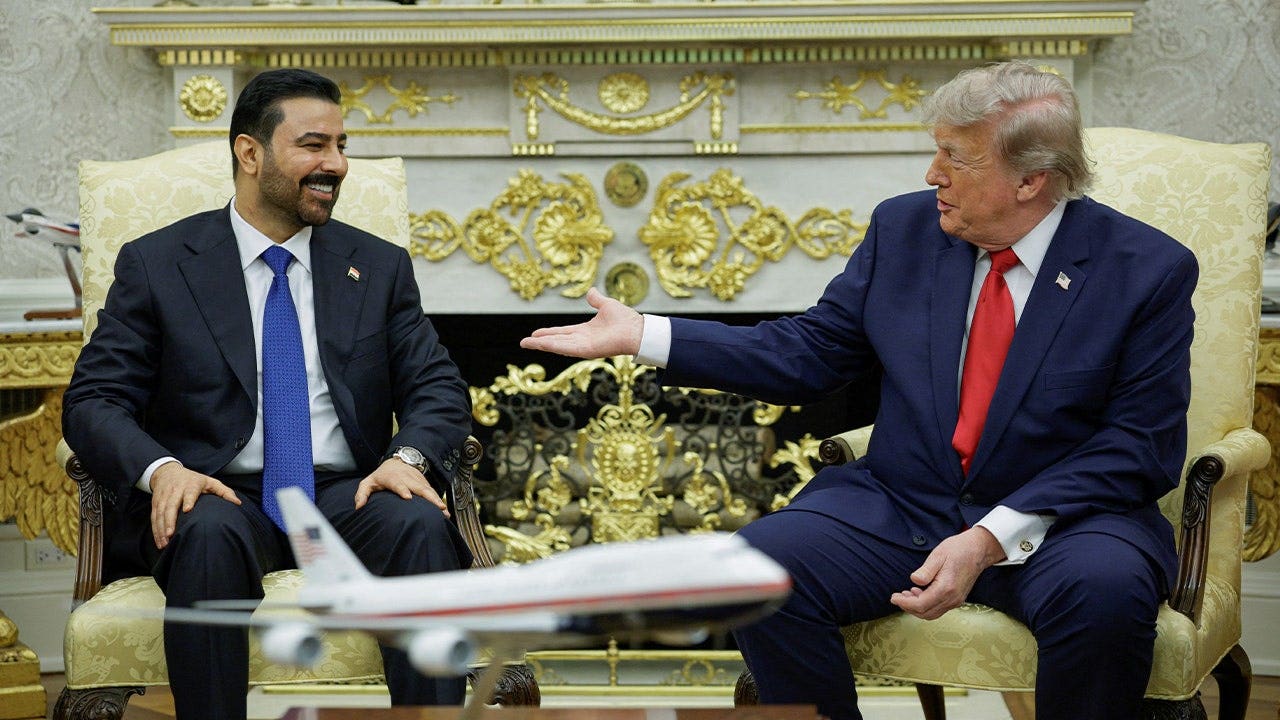
President Donald Trump told reporters the United States no longer believes it needs a military presence in Iraq and said the U.S. partnership will shift from military cooperation to investment and energy development as the American-led coalition mission winds down later in 2026. Iraqi Prime Minister Mohammed al-Zaidi supported that transition, saying militias operating outside state control would have "no justification" once the coalition ends and asserting Iraqi forces could protect the country. Trump said Iran had been "very much destabilized" and that its military capability had been sharply reduced, framing that change as a reason for the U.S. drawdown. Under a 2024 agreement the coalition's mission began ending in September 2025; before the drawdown about 2,500 U.S. troops were in Iraq in advisory and counter-ISIS roles. Al-Zaidi, a political newcomer backed publicly by Trump, said U.S. forces will leave and U.S. companies will expand economic activity in Iraq. Trump praised al-Zaidi and claimed his endorsement helped the prime minister's rise.
Biblical Reflection
From a Christian perspective, several truths and risks should be held together. The public claim that U.S. forces are no longer needed rests on contested assessments of security on the ground — such assertions require independent verification and sober humility rather than triumphalism. A genuine commitment to peace and neighbor-love would prioritize the safety of civilians, the ability of Iraqi institutions to enforce the rule of law, and protections for minorities and displaced people as responsibilities shift. Economic investment can help recovery, but it does not automatically deliver security, justice, or reconciliation; without strong governance and accountability, profit-driven engagement can leave vulnerable communities exposed. The article reflects a political framing that emphasizes U.S. success and the positive optics of a transition; readers should watch for omitted risks (such as militia resilience, political backlash, or gaps in counterterrorism capacity) and for how Iraqi sovereignty and popular consent are actually being strengthened. Christian discernment calls for humility toward complex facts, mercy for those who bear the costs of policy shifts, and courage to hold leaders accountable for both promises and likely consequences.
Scripture in context
This outlook does not yet include contextual Scripture citations. Do not treat a general biblical theme as an exegetical conclusion.
Faithful Response
No prescribed response is offered. Consider the reflection prompts below in your own church context.
Reflection and Discussion
- 1What independent evidence supports the claim that Iran's military capability is sharply diminished and that Iraqi forces can fully assume security responsibilities?
- 2Who will be most affected if a security vacuum appears, and what mechanisms exist to hold armed groups, Iraqi leaders, and foreign actors accountable?
- 3Will promised economic investment be structured to benefit ordinary Iraqis and strengthen state institutions, or could it entrench outside interests without improving public safety?
Sources
Reporting links are evidence inputs; Sanctuary News' biblical reflection is commentary.
This outlook currently relies on fewer than two linked sources. Broaden verification before teaching from it.
- 1.Original reportprimary