News Summary
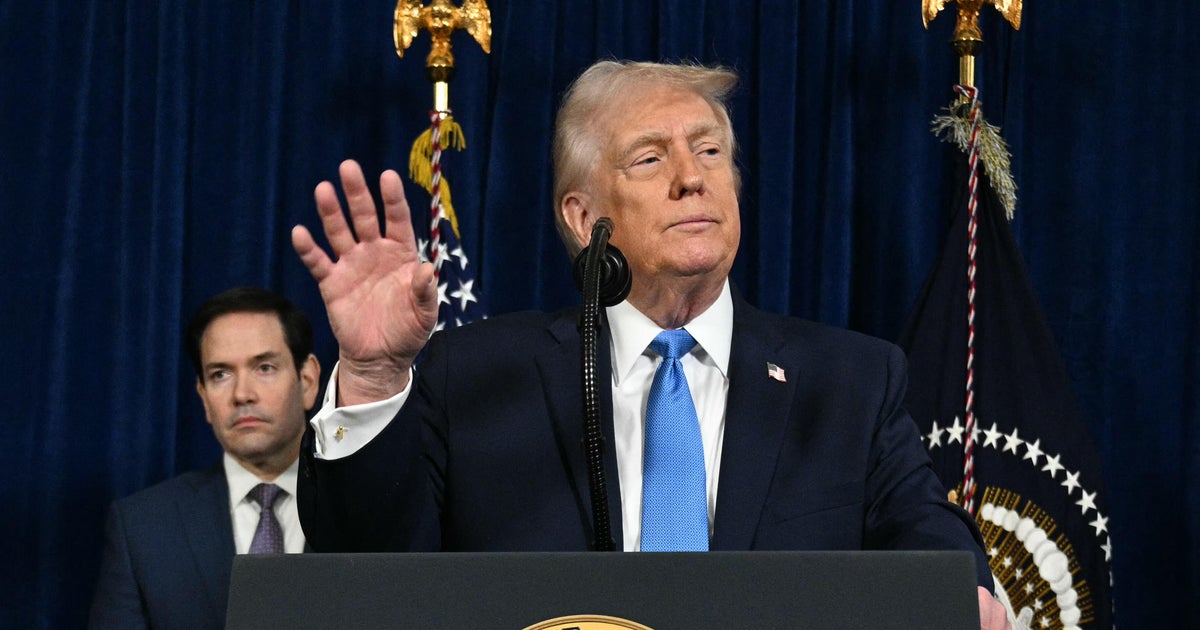
President Trump announced that the United States has captured Venezuelan President Nicolás Maduro and his wife in a military operation led by Delta Force. They were brought to the U.S. to face charges related to narco-terrorism and drug trafficking. With Maduro's ouster, the leadership situation in Venezuela is uncertain. Trump stated the U.S. will 'run' Venezuela until a proper transition can take place, emphasizing the need to rebuild the country's infrastructure, particularly the oil industry, and prevent criminal elements from regaining power. Secretary of State Marco Rubio and Defense Secretary Pete Hegseth indicated that the U.S. would set the terms for Venezuela's governance for now, with American companies expected to play a significant role in the country's future. However, some of Maduro's cabinet remain in place, and the U.S. has not ruled out further military intervention. There is significant ambiguity about the extent and nature of U.S. involvement and who will ultimately lead Venezuela.
Biblical Reflection
From a biblical perspective, this story raises profound questions about justice, sovereignty, and the exercise of power. While the removal of leaders engaged in injustice or criminal activity can be consistent with God's concern for righteousness (Amos 5:24), the manner in which power is wielded matters greatly. The Bible cautions against pride, domination, and the temptation to put trust in military might or human leaders rather than in God's wisdom (Psalm 20:7). The idea of one nation 'running' another, even temporarily, risks violating the biblical principle that all people and nations are given dignity and a measure of self-determination (Acts 17:26). Righteousness exalts a nation, but domination and exploitation, especially for material gain, are condemned throughout scripture (Micah 6:8, Proverbs 14:34). Justice and mercy must go hand in hand. Christians are called to pray for peace and justice in Venezuela and to advocate for governance that seeks the flourishing of its people, not the interests of foreign powers or elites. Any intervention should be weighed with humility, respect for the nation's autonomy, and a sincere desire for the good of its people, not merely for economic or strategic advantage.
Scripture in context
This outlook does not yet include contextual Scripture citations. Do not treat a general biblical theme as an exegetical conclusion.
Faithful Response
No prescribed response is offered. Consider the reflection prompts below in your own church context.
Reflection and Discussion
- 1How do we discern the difference between just intervention and unjust domination when one nation acts in another?
- 2In what ways are justice, mercy, and humility missing or present in this situation?
- 3How can Christians pray and advocate for the well-being of ordinary Venezuelans in times of upheaval?
Sources
Reporting links are evidence inputs; Sanctuary News' biblical reflection is commentary.
This outlook currently relies on fewer than two linked sources. Broaden verification before teaching from it.
- 1.Original reportprimary