News Summary
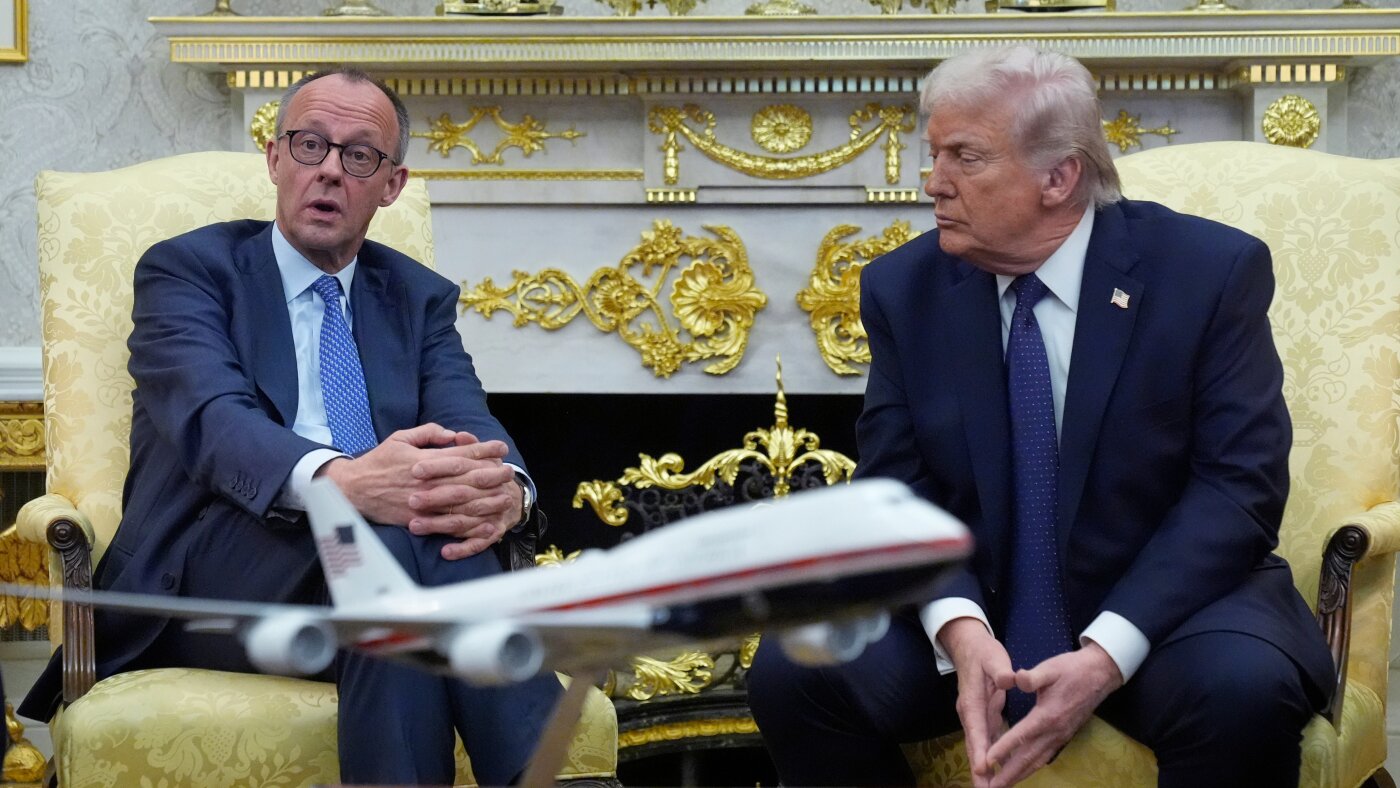
President Donald Trump posted that the United States is "studying and reviewing the possible reduction of Troops in Germany," saying a determination will be made in a short period of time. His statement followed public criticism by German Chancellor Friedrich Merz of U.S. policy and strategy in the U.S.-Israel war with Iran; Merz said the U.S. had been "humiliated" by Iranian leadership and criticized Washington's lack of strategy, while also saying his personal relationship with Trump remained "as good as ever." The article notes Trump has previously proposed cutting U.S. troop levels in Germany during his first term (a 2020 announcement to withdraw about 9,500 troops that was never implemented) and that the Biden administration formally halted that planned withdrawal in 2021. The piece references major U.S. military facilities in Germany (U.S. European Command, U.S. Africa Command, Ramstein Air Base, Landstuhl Regional Medical Center) and Germany’s concerns about economic consequences from the Iran conflict, including the effective closure of the Strait of Hormuz and its impact on Europe.
Biblical Reflection
From a Christian perspective, this item highlights the intersection of power, pride, and the heavy consequences political rhetoric can have for real people and institutions. A president publicly signaling a review of troop levels is both a diplomatic move and a bargaining posture; such messages can be aimed at domestic audiences, allied governments, or both. The article’s language (e.g., "leveled a new threat") frames the development as aggressive, which is accurate in tone but also shapes readers’ emotional response. Christians should note two theological concerns: (1) the moral responsibility of leaders to pursue peace and protect the vulnerable — troop decisions affect service members, their families, and broader regional stability; (2) the spiritual dangers of leveraging security arrangements for prideful or punitive ends. Scripture calls leaders and citizens to seek wise counsel, pursue peace where possible, and practice humility rather than escalating conflict for advantage (Proverbs 11:14; Matthew 5:9). The reporting is fact-focused but selective: it centers quotes and past actions that emphasize confrontation and consequence. Readers should weigh the strategic realities (logistics, command headquarters in Germany, NATO unity) against the political motives that produce public threats. A Christian response is not partisan silence but sober discernment — recognizing where rhetoric inflames and where genuine security concerns exist, praying for wisdom for leaders, and advocating for policies that steward peace, protect the innocent, and honor truth over posturing.
Scripture in context
This outlook does not yet include contextual Scripture citations. Do not treat a general biblical theme as an exegetical conclusion.
Faithful Response
No prescribed response is offered. Consider the reflection prompts below in your own church context.
Reflection and Discussion
- 1What incentives (domestic politics, negotiation leverage, media attention) might drive a leader to publicize a potential military posture change, and how should that shape our reading of the announcement?
- 2How does framing this as a personal "feud" between leaders obscure or reveal the larger institutional and moral stakes (troop safety, alliance cohesion, regional stability)?
- 3When national security decisions are discussed publicly as threats or bargaining chips, what biblical virtues (e.g., humility, wise counsel, pursuit of peace) are most at risk, and how should Christians hold leaders accountable to them?
Sources
Reporting links are evidence inputs; Sanctuary News' biblical reflection is commentary.
This outlook currently relies on fewer than two linked sources. Broaden verification before teaching from it.
- 1.Original reportprimary