News Summary
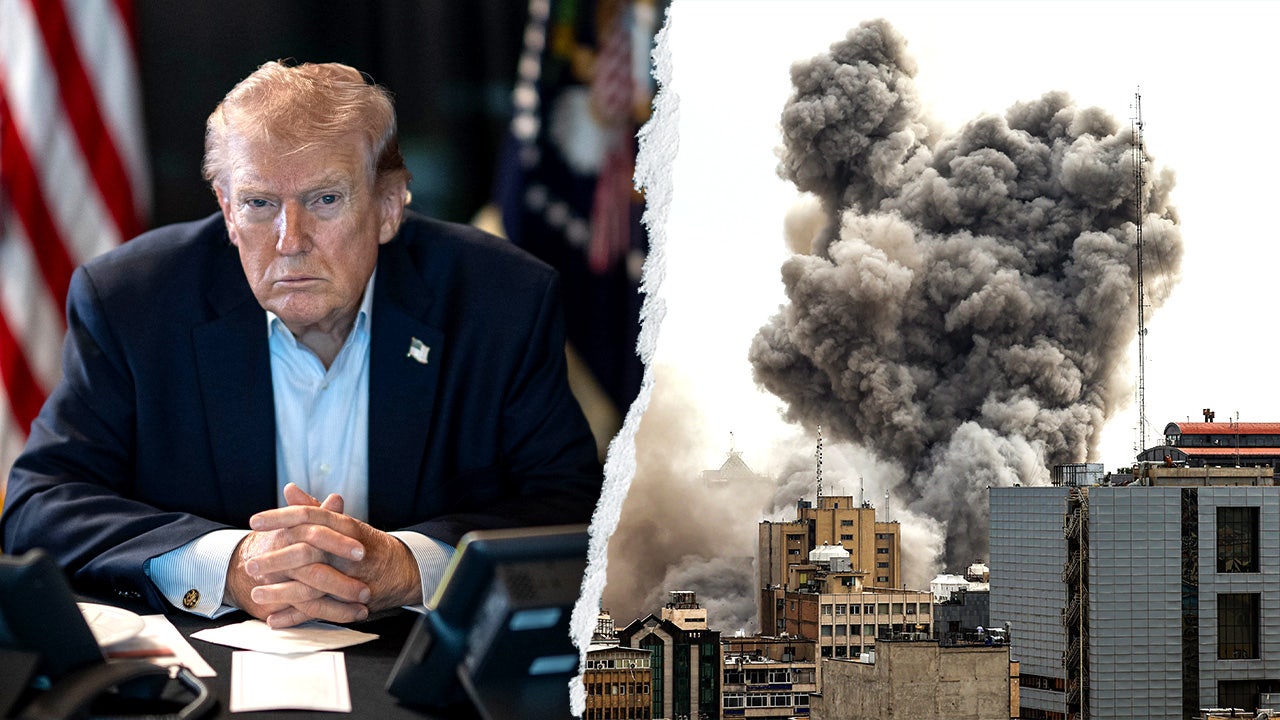
In a Fox News interview on ‘‘My View with Lara Trump,’’ President Donald Trump said a future Iranian move that results in a deal “that wasn't going to be good for us” could be the line prompting U.S. forces to resume an offensive military campaign against Iran. He described Iran’s military as largely defeated, saying Iran’s navy and air force have been destroyed; he characterized recent U.S. strikes as “self-defense” actions carried out amid a ceasefire that has been in place since early April. Trump said he is prioritizing the disarmament of Iran’s nuclear capabilities, noted that stalled negotiations and political calendars constrain the timing of military action, and suggested the United States holds leverage because of damage inflicted on Iran’s forces. The article also cites a Fox News poll showing rising public opposition to further U.S. military action in Iran and notes economic effects such as higher gas prices tied to disruptions in the Strait of Hormuz. The full interview was promoted to air on Fox News Channel.
Biblical Reflection
From a Christian perspective, this article combines presidential assertions about military advantage with political justification for further force. Some of the president’s claims—absolute statements that Iran’s navy and air force are “100%” gone—are presented without independent verification in the piece and function rhetorically to signal strength and resolve. The interview appears aimed at both domestic political audiences and international actors, framing military dominance as leverage in negotiations. A Christian reading should hold competing priorities together: the legitimate need to protect innocent life and prevent nuclear proliferation, and the moral demands to pursue peace, truth, humility, and care for civilian victims of conflict. Rhetoric that celebrates total victory or simplifies complex geopolitical realities risks dehumanizing opponents and minimizing humanitarian costs. Christians are called to press for honest accountability from leaders, to seek verified information rather than partisan assertions, and to advocate for diplomacy that protects the vulnerable. At the same time, care for the common good includes supporting measured, lawful actions that prevent greater harms—while continually asking whether measures taken are the least harmful, just, and oriented toward durable peace.
Scripture in context
This outlook does not yet include contextual Scripture citations. Do not treat a general biblical theme as an exegetical conclusion.
Faithful Response
No prescribed response is offered. Consider the reflection prompts below in your own church context.
Reflection and Discussion
- 1What independent evidence is available for the military claims being made, and who benefits politically from portraying the situation as a clear-cut victory?
- 2How does the framing of ‘we have all the cards’ shape public willingness to accept further military action, and whose suffering is missing from that narrative?
- 3Are diplomatic options being pursued genuinely and transparently alongside military pressure, or is rhetoric being used to foreclose negotiation?
Sources
Reporting links are evidence inputs; Sanctuary News' biblical reflection is commentary.
This outlook currently relies on fewer than two linked sources. Broaden verification before teaching from it.
- 1.Original reportprimary