News Summary
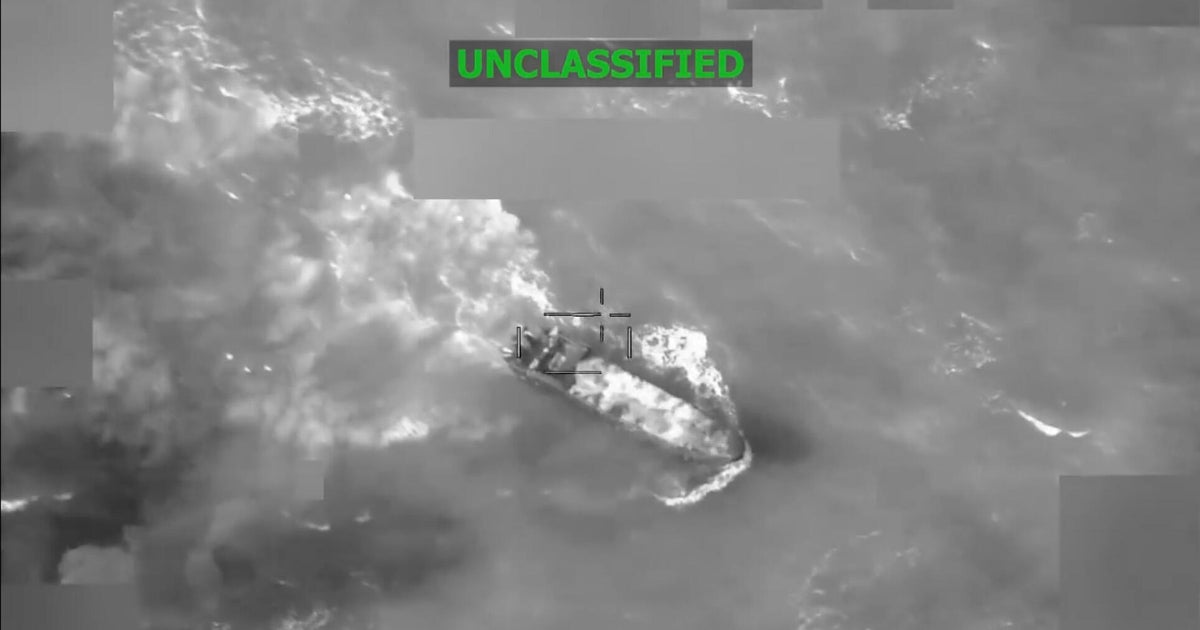
The article investigates the U.S. military's strikes on alleged drug-smuggling boats in the Caribbean under the Trump administration, focusing on a September 2 attack where a follow-up strike killed survivors clinging to the wreckage. Reports suggest Defense Secretary Pete Hegseth may have issued a 'kill everybody' order, though he and other officials deny this. Lawmakers and legal experts are raising serious concerns about the legality of these actions, debating whether they constitute war crimes under international law and the Geneva Conventions, which prohibit targeting defenseless survivors. The Trump administration maintains it acted within legal authority by designating drug cartels as terrorist organizations and characterizing the conflict as a 'non-international armed conflict.' Critics argue this justification is flawed and that both domestic and international law may have been violated. Congressional investigations have begun, and there is bipartisan concern about the lack of transparency and accountability. The article notes a subsequent change in protocol to rescue survivors, but the debate about the legality and morality of the strikes continues.
Biblical Reflection
From a Scriptural perspective, this story raises grave concerns about justice, the sanctity of human life, and the use of power. Scripture teaches that every person is made in the image of God (Genesis 1:27) and that even those who have done wrong are not to be denied basic dignity or due process. Jesus warned against returning evil for evil (Matthew 5:44) and called His followers to a higher standard of mercy and justice. The alleged killing of defenseless survivors contradicts these principles, as both Old and New Testaments emphasize the importance of caring for the vulnerable and upholding justice even in times of conflict (Exodus 23:7, Proverbs 24:11-12). Furthermore, Scripture calls leaders to act with righteousness, transparency, and accountability (Micah 6:8, Romans 13:1-4). Even if the intent is to protect citizens from the harm of drugs, the means must not violate God's commands for justice and mercy. The attempt to justify killing without trial or compassion for the wounded is profoundly out of step with Christian ethics, which demand respect for life and adherence to just processes. Followers of Christ are called to pray for those in authority, advocate for the oppressed, and seek policies that reflect both justice and mercy.
Scripture in context
This outlook does not yet include contextual Scripture citations. Do not treat a general biblical theme as an exegetical conclusion.
Faithful Response
No prescribed response is offered. Consider the reflection prompts below in your own church context.
Reflection and Discussion
- 1How do I respond when the actions of my leaders seem to conflict with the values of justice and mercy taught by Christ?
- 2What does it look like to pursue both justice and compassion in the face of criminal behavior or violence?
- 3How can I advocate for accountability and transparency in government while remaining prayerful and hopeful?
Sources
Reporting links are evidence inputs; Sanctuary News' biblical reflection is commentary.
This outlook currently relies on fewer than two linked sources. Broaden verification before teaching from it.
- 1.Original reportprimary