News Summary
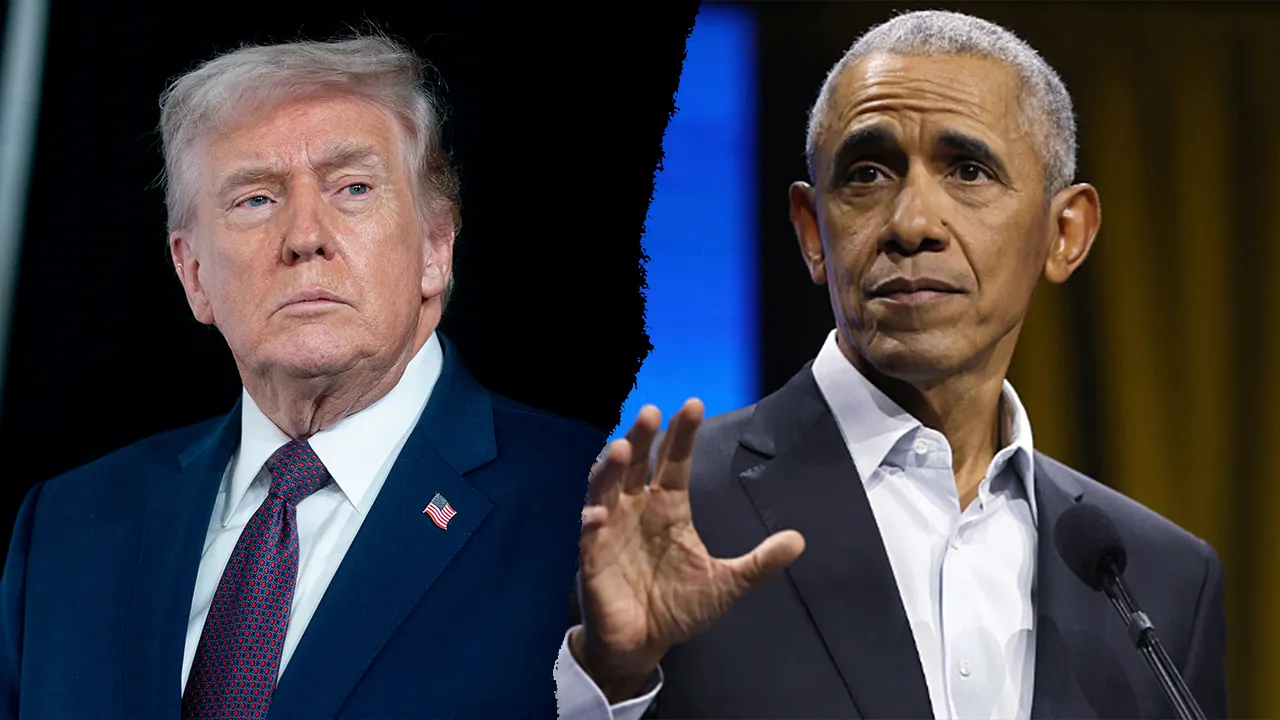
The article discusses the escalating tensions between the United States and Iran under President Donald Trump’s administration. Trump has issued threats of military action if Iran does not comply with U.S. demands regarding its nuclear program, missile development, and support for militant groups. These threats come amid mass protests in Iran and calls from some U.S. commentators for regime change. While Trump has positioned U.S. military assets near Iran and promised support for Iranian protesters, the administration is also pursuing diplomatic talks, with a high-stakes summit scheduled (though now in doubt) in Istanbul or Oman. Recent incidents in the Strait of Hormuz, including the downing of an Iranian drone and harassment of a U.S. tanker, have heightened the risk of military confrontation. The situation evokes comparisons to President Obama’s 2013 'red line' on Syria, with debates over whether military threats without follow-through undermine U.S. credibility. The article explores the tension between diplomacy and the threat of force, the risks of escalation, and the uncertainty about the future leadership of Iran.
Biblical Reflection
Viewed through the lens of scripture, this situation highlights the persistent struggle between justice and peace, power and humility. Scripture calls leaders to seek peace (Romans 12:18), to act with integrity, and to be slow to anger (James 1:19-20). The cycle of threats and counter-threats, and the readiness to resort to violence, stand in tension with Christ’s call to peacemaking (Matthew 5:9). While governments are tasked with protecting citizens and pursuing justice (Romans 13:1-4), the pursuit of regime change by force, and the rhetoric of 'speed and fury,' risk perpetuating cycles of violence and suffering. Jesus’ model of leadership was rooted in servanthood, truth, and reconciliation. As Christians, we must weigh the costs of conflict—not just in political terms, but in terms of human life, dignity, and the possibility for reconciliation. Diplomacy, patience, and humility are fruits of the Spirit that can guide leaders. The credibility of a nation should ideally rest not on the threat of force, but on justice, truth, and the pursuit of lasting peace.
Scripture in context
This outlook does not yet include contextual Scripture citations. Do not treat a general biblical theme as an exegetical conclusion.
Faithful Response
No prescribed response is offered. Consider the reflection prompts below in your own church context.
Reflection and Discussion
- 1How can I pray for wisdom and restraint for world leaders facing conflict?
- 2What does it mean to be a peacemaker in a world prone to violence and threats?
- 3How do I balance a longing for justice with Christ’s call to reconciliation and peace?
Sources
Reporting links are evidence inputs; Sanctuary News' biblical reflection is commentary.
This outlook currently relies on fewer than two linked sources. Broaden verification before teaching from it.
- 1.Original reportprimary