News Summary
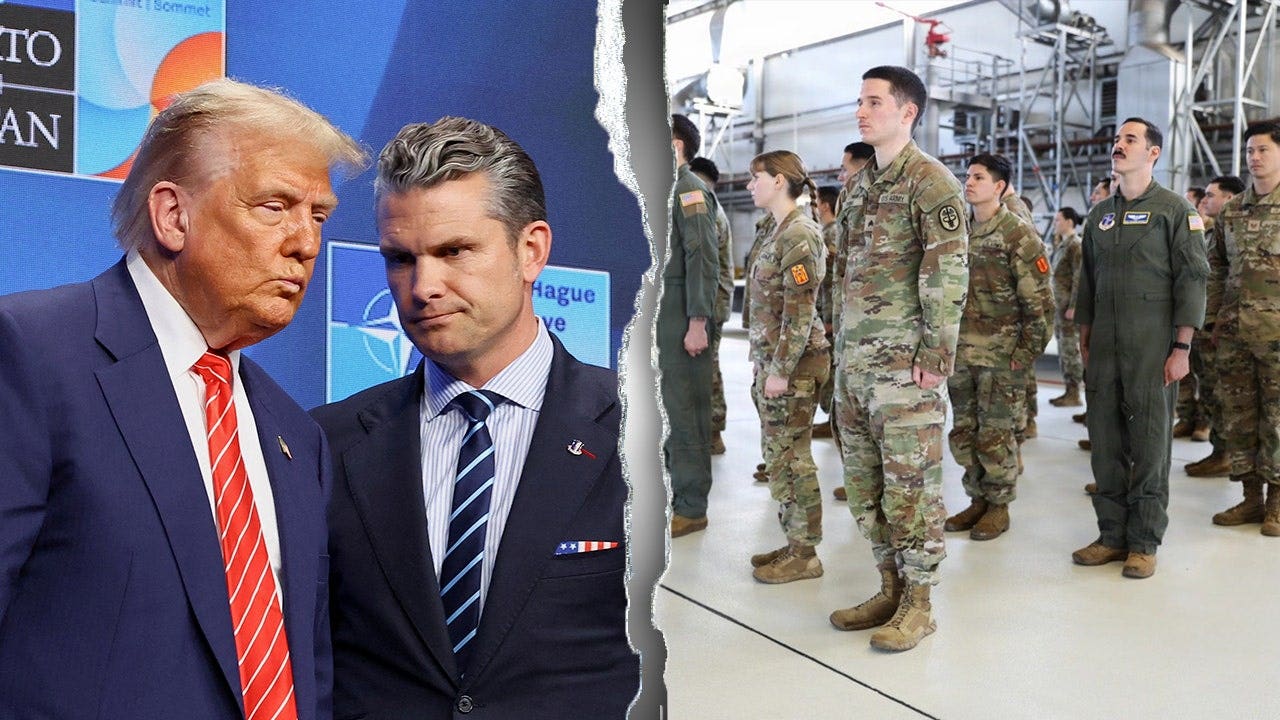
President Donald Trump ordered the withdrawal of 5,000 U.S. troops from Germany to take place over the next six to 12 months, citing allied resistance to U.S. requests tied to operations related to the Iran conflict. He has also suggested he might consider pulling troops out of Italy and Spain. The current U.S. troop presence in Europe is roughly 76,000 or more; under the most recent defense bill, the Pentagon may not reduce total U.S. troop levels in Europe below 76,000 without submitting an assessment and certifying to Congress that such a reduction would not harm U.S. or NATO security interests. Administration officials note the president retains commander-in-chief authority to reposition forces between countries, which could shift troops away from particular host nations without lowering the overall European troop total. Lawmakers cannot directly veto withdrawals but can impose funding or certification requirements that effectively constrain large-scale reductions. Analysts warn that moving forces could be costly and strategically complicated because key infrastructure (for example, Ramstein Air Base and medical facilities in Germany, and logistics hubs in Spain and Italy) cannot be easily replicated elsewhere. European partners (Germany, Italy, Spain) have pushed back on U.S. requests related to Iran, placing pressure on U.S.–NATO cooperation and basing arrangements. The article also recalls a similar 2020 Trump-era effort to withdraw U.S. troops from Germany that stalled after congressional and logistical hurdles.
Biblical Reflection
From a Christian perspective, this story raises questions about prudence, stewardship, and the moral responsibilities of national leaders. Moving troops for punitive or purely political reasons risks undermining alliances, endangering strategic stability, and producing unintended harm to civilians and service members. Scripture calls leaders and communities to seek wise counsel (Proverbs 15:22) and to pursue peace where possible (Romans 12:18; Matthew 5:9). The article is fact-focused but framed through the lens of partisan and strategic conflict: it highlights presidential rhetoric and possible administrative work-arounds while noting congressional checks. Readers should note that media coverage can emphasize confrontation and personality (quoting blunt statements) over detailed strategic rationale, and that institutional checks (Congress, basing agreements with host nations, NATO interoperability) complicate simple narratives of unilateral withdrawal. Christians should discern between political posturing and responsible use of military power, favoring approaches that aim to protect the vulnerable, preserve just alliances, and pursue peaceful solutions when feasible. Pray for wisdom for leaders, clarity about motives, and policies that weigh long-term security and the common good rather than short-term political advantage.
Scripture in context
This outlook does not yet include contextual Scripture citations. Do not treat a general biblical theme as an exegetical conclusion.
Faithful Response
No prescribed response is offered. Consider the reflection prompts below in your own church context.
Reflection and Discussion
- 1Does the coverage emphasize rhetoric and political conflict more than the strategic risks and humanitarian consequences of relocating or withdrawing forces?
- 2What institutional checks (Congress, allied basing agreements, NATO interoperability) are designed to temper unilateral decisions, and how should Christians weigh respect for those institutions against concerns about leadership accountability?
- 3Are decisions portrayed as strategic necessities or as responses to political grievances — and how does that distinction affect the likely moral and practical outcomes?
Sources
Reporting links are evidence inputs; Sanctuary News' biblical reflection is commentary.
This outlook currently relies on fewer than two linked sources. Broaden verification before teaching from it.
- 1.Original reportprimary