News Summary
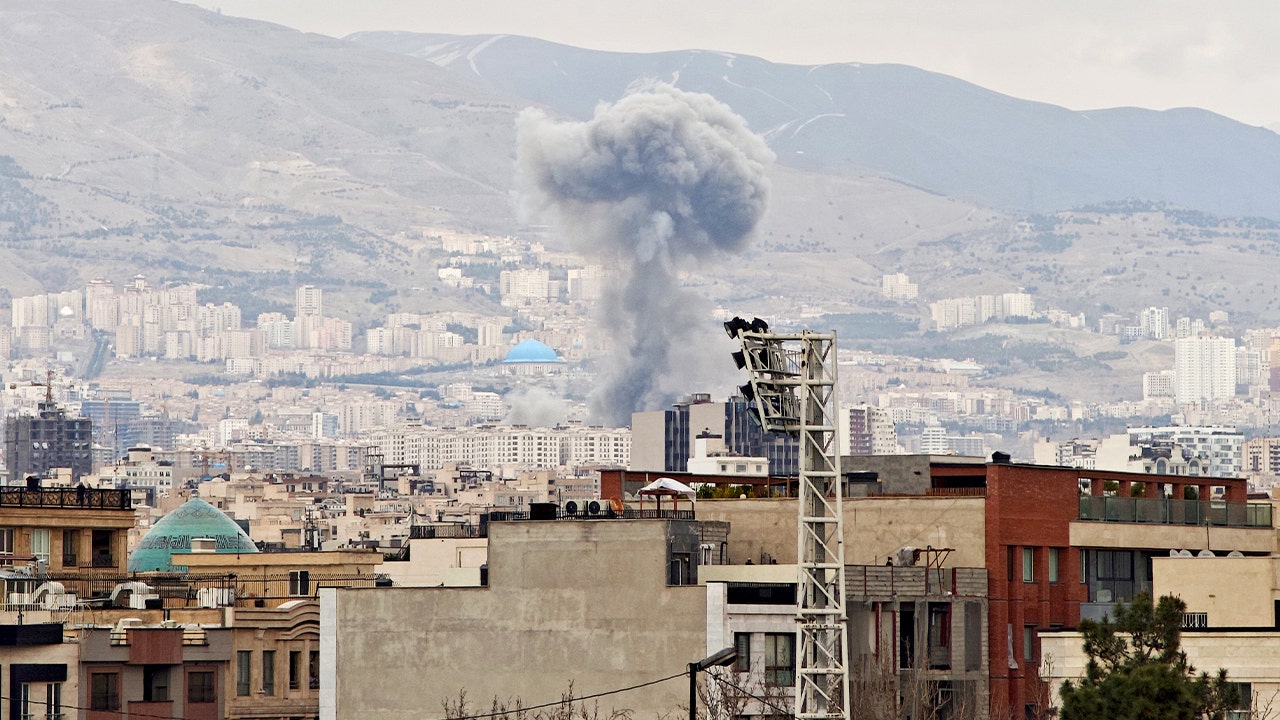
President Donald Trump ordered and carried out strikes against Iranian targets using Tomahawk missiles and fighter jets, then announced he had canceled a planned follow-up strike after saying negotiators elevated talks to Iran's highest levels and approved final contours of an agreement. Trump stated Iranian officials contacted him during the strikes and asked for the bombing to stop and warned additional strikes could follow if Iran did not sign a deal; he also threatened future attacks on Iranian energy infrastructure, including Kharg Island, but later expressed uncertainty about U.S. willingness to do so. The uptick in strikes followed an incident in which an Iranian drone downed a U.S. Apache helicopter near the Strait of Hormuz, prompting U.S. retaliation against Iranian radar and air-defense sites. Administration officials and outside analysts quoted in the article disagree on whether sustained military and economic pressure will force Iran to concede or whether Iran can withstand sanctions and strikes and outlast U.S. political pressures. Key negotiation issues—uranium enrichment, sanctions relief, and Iran's stockpile of highly enriched uranium—remain unresolved, and Iranian leaders publicly rejected expanded targeting of civilian infrastructure as coercive and harmful to their people.
Biblical Reflection
From a Christian pastoral perspective, this story raises urgent moral and spiritual questions about the use of force, the dignity of human life, and the pursuit of peace. The article largely frames military pressure as a lever to produce a diplomatic outcome; that framing can de-emphasize the likely human cost, the suffering of civilians, and the risk of wider regional escalation. Rhetoric that dehumanizes an opponent or glorifies destruction—even if intended to increase leverage—conflicts with biblical calls to love neighbors and seek justice for the vulnerable. At the same time, governments have legitimate responsibilities to protect citizens and deter aggression; Christian discernment must weigh the real need for security against the moral imperative to prefer restraint, pursue exhausting diplomatic avenues, and minimize harm to innocents. Readers should watch for bias in sources that favor military solutions without acknowledging noncombatant harm, and for political messaging that uses threats to shape domestic opinion. Christian response should include sober criticism when policy sacrifices mercy and humility, prayer for all affected civilians, and support for leaders who pursue just, truthful, and peaceful solutions whenever possible.
Scripture in context
This outlook does not yet include contextual Scripture citations. Do not treat a general biblical theme as an exegetical conclusion.
Faithful Response
No prescribed response is offered. Consider the reflection prompts below in your own church context.
Reflection and Discussion
- 1Does the coverage prioritize military leverage over the likely humanitarian consequences for civilians inside Iran and the wider region?
- 2Are threats and escalation presented as effective policy tools without equal attention to diplomatic alternatives and long-term consequences?
- 3Whose voices are missing from this narrative — ordinary civilians, humanitarian actors, or regional neighbors who will bear the consequences of escalation?
Sources
Reporting links are evidence inputs; Sanctuary News' biblical reflection is commentary.
This outlook currently relies on fewer than two linked sources. Broaden verification before teaching from it.
- 1.Original reportprimary