News Summary
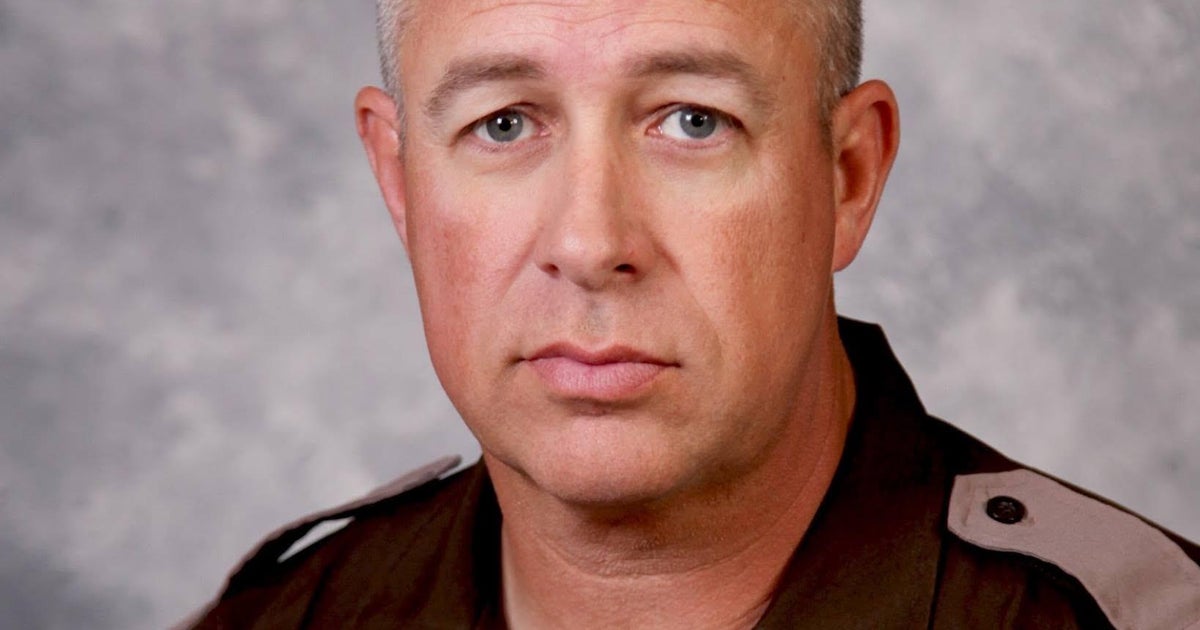
President Donald Trump announced the nomination of Lance Schroyer to be director of U.S. Immigration and Customs Enforcement (ICE). Trump posted the nomination on Truth Social, describing Schroyer as having over 29 years of law enforcement experience in Oklahoma, service as a state trooper, and prior service in the U.S. Marine Corps; Trump and Homeland Security Secretary Markwayne Mullin urged the Senate to confirm him quickly. Mullin highlighted Schroyer's role in implementing 287(g) partnerships between local law enforcement and ICE to remove undocumented immigrants. The nomination follows the April departure of Todd Lyons, who led the administration's deportation efforts, and comes while David Venturella is serving as interim ICE chief; ICE has had many acting directors and no Senate-confirmed director since early 2017, according to the article.
Biblical Reflection
This story is primarily about a staffing and policy choice at a powerful federal agency. The public statements from the president and the Homeland Security secretary frame Schroyer as a hands-on law-enforcement leader focused on aggressive removal of undocumented immigrants, especially through 287(g) collaborations. That framing emphasizes order, security, and a punitive response to illegal immigration. A Christian reading should weigh legitimate concerns for public safety and the rule of law alongside the biblical calls to dignity, mercy, and protection for the vulnerable. Language that praises "locking up the worst of the worst" and stresses rapid confirmation signals a worldview that privileges enforcement and deterrence; it risks minimizing due process, civil-rights safeguards, and the human dignity of migrants. The article itself is factual and brief, largely repeating official statements; claims about past actions and their effects will require independent oversight and data to verify. Christians should press for transparent vetting, accountability, and policies that protect communities while also seeking just, compassionate treatment of migrants, remembering that procedural safeguards and humane care are not opposed to public safety but help ensure justice.
Scripture in context
This outlook does not yet include contextual Scripture citations. Do not treat a general biblical theme as an exegetical conclusion.
Faithful Response
No prescribed response is offered. Consider the reflection prompts below in your own church context.
Reflection and Discussion
- 1How does the language used by officials ('locking up the worst of the worst') shape public perception of migrants, and what does that reveal about the priorities behind enforcement policies?
- 2What safeguards and oversight should Christians expect from a Senate confirmation to ensure both lawful order and humane treatment of vulnerable people?
- 3In debates about immigration enforcement, how do we balance legitimate concerns for public safety with the call to welcome and care for strangers made in God’s image?
Sources
Reporting links are evidence inputs; Sanctuary News' biblical reflection is commentary.
This outlook currently relies on fewer than two linked sources. Broaden verification before teaching from it.
- 1.Original reportprimary