News Summary
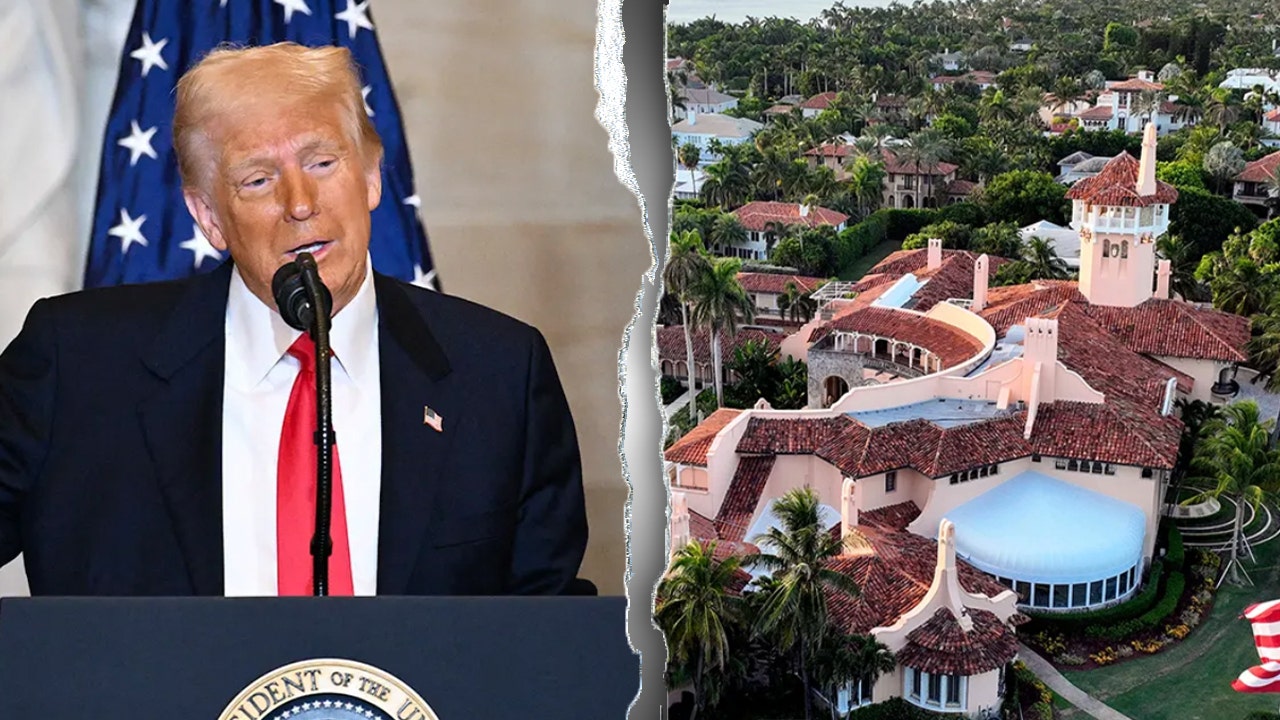
A special election in Florida's House District 87 — a district anchored in Palm Beach that includes Mar-a-Lago, President Donald Trump's residence — pits Republican Jon Maples against Democrat Emily Gregory to fill a seat vacated by Republican Mike Caruso. Maples, a 43-year-old financial planner and former local council member, is backed by Trump and leading Sunshine State Republicans; his platform emphasizes tax cuts, reduced spending and regulation, private sector job creation, and school choice. Gregory, a 40-year-old small-business owner and Army spouse, is a first-time candidate focusing on affordability, increased public education funding, rising property insurance and housing costs, and healthcare access. The district leans Republican — Trump carried it by roughly 10 points in 2024 — and Maples entered the race with a fundraising advantage. The story also notes two other Florida special legislative races on the same day: State Senate District 14 in Hillsborough County and House District 51 in Polk County.
Biblical Reflection
This story is primarily about civic contest and influence: endorsements, local priorities, and the balance of political power in a community that includes a high-profile residence. From a biblical perspective several themes stand out.
1) The legitimacy of civic engagement: Scripture affirms involvement in public life and the pursuit of justice and the common good (e.g., Jesus’ concern for the vulnerable, prophets calling rulers to account). Christians can responsibly evaluate candidates’ policies by how they serve neighbors, especially the poor, widows, and those who are vulnerable (Matthew 25; James 1:27). Neither party has a monopoly on godly aims; policies that promote stewardship, protect the vulnerable, and foster flourishing deserve attention regardless of label.
2) Beware of personality cult and misplaced trust: Endorsements from powerful figures sharpen attention and can tempt voters to substitute loyalty to leaders for obedience to God. Scripture warns against elevating humans to the place that belongs to God (Exodus 20:3; Colossians 3:2). Public endorsements are political realities, but Christians should test leaders and rhetoric by truth, justice, and humility rather than celebrity or tribal loyalty.
3) Character and the common good: The campaign contrasts small-government economic priorities with concerns about affordability, education, and healthcare—areas where Christian ethics call for wise stewardship, concern for neighbors’ material needs, and care for families. Examine whether proposed policies protect the weak, foster responsible stewardship of resources, and promote honest public life.
4) Peacemaking and witness: Elections tend to sharpen division. Christians are called to witness through humility, truth-telling, and peacemaking (Matthew 5:9). That means advocating passionately for convictions while keeping Christian love and the unity of the body of Christ central.
Overall "scriptural temperature": the democratic process itself is not contrary to Scripture — it is a field where Christians can live out commands to seek justice, love neighbors, and pray for leaders — but the dynamics described (high-profile endorsements, partisan bragging rights, fundraising advantages) call for discernment, humility, and a refusal to idolize political power. Christians should engage thoughtfully: weigh policies by biblical priorities, pray for leaders and voters, and practice charity toward political opponents.
Scripture in context
This outlook does not yet include contextual Scripture citations. Do not treat a general biblical theme as an exegetical conclusion.
Faithful Response
No prescribed response is offered. Consider the reflection prompts below in your own church context.
Reflection and Discussion
- 1Which candidate’s priorities best reflect biblical concerns for the poor, family stability, and honest stewardship where you live?
- 2Am I tempted to let personality, endorsements, or party loyalty outweigh careful moral discernment?
- 3How can I pursue justice and peace in my community regardless of the election outcome?
Sources
Reporting links are evidence inputs; Sanctuary News' biblical reflection is commentary.
This outlook currently relies on fewer than two linked sources. Broaden verification before teaching from it.
- 1.Original reportprimary