News Summary
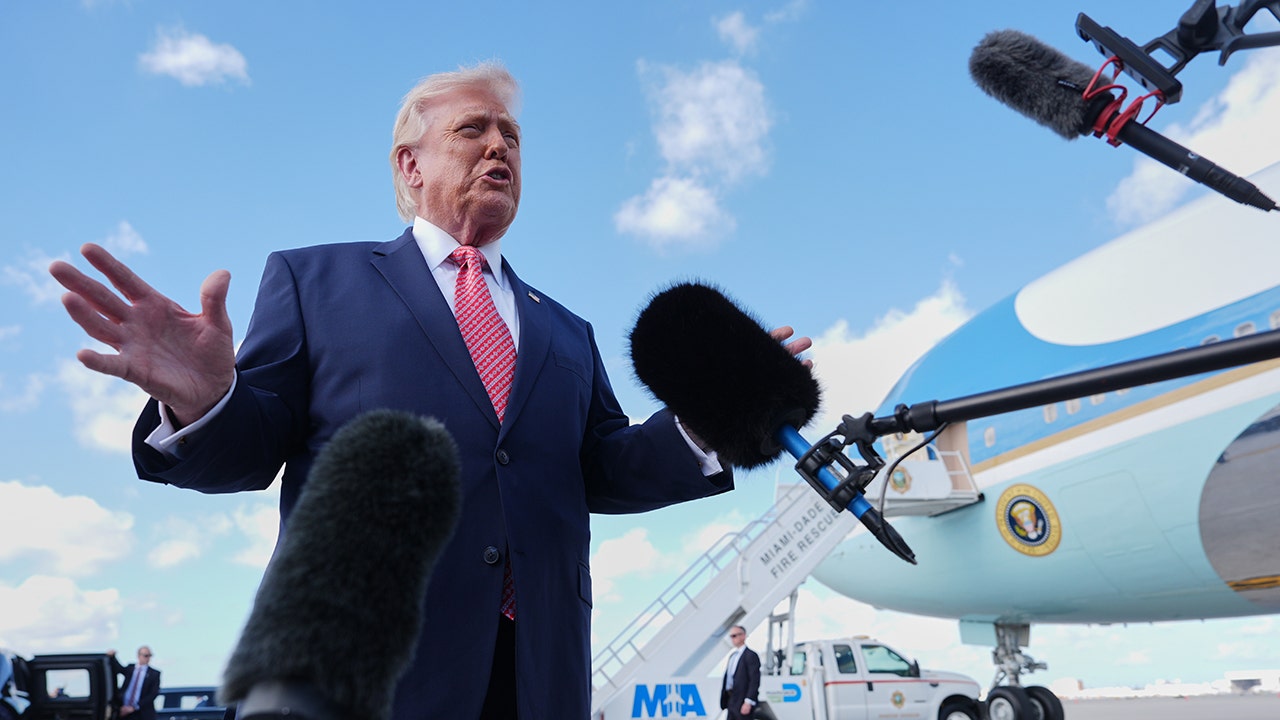
Opinion column by Howard Kurtz reports that President Donald Trump posted an AI-generated image depicting himself dressed in red-and-white robes commonly used to depict Jesus, with glowing hands and a demon in the background. The post drew criticism from Catholic leaders, conservative commentators, and other public figures; Trump deleted the image about 12 hours later and said he believed it depicted him as a doctor or Red Cross worker. The column places this episode alongside recent controversies involving Trump—previous images (including one depicting him as the Pope and another criticized as racially offensive), his rhetoric about Iran (including a threat that "a whole civilization will die tonight" followed by a two-week extension), and other inflammatory posts. The piece notes reactions calling for apologies or calls to examine Trump's fitness for office (including mentions of the 25th Amendment and a proposed commission to assess mental health), cites differing views from allies and critics, references polling about perceptions of erratic behavior, and situates these events within an ongoing public debate over his temperament and leadership. The article also briefly recounts unrelated congressional developments and allegations against other politicians (e.g., Eric Swalwell) as part of the columnist's broader roundup.
Biblical Reflection
From a Christian perspective, the facts raise several separate but related concerns. First, the use of religious imagery by a political leader—especially depictions that equate the leader with Christ—touches on reverence for sacred things and the responsibility of public speech. Scripture warns against misrepresenting God and treating holy things lightly (cf. Jesus' rebuke: "God is spirit" and against mockery), and Christians should take seriously both the offense such imagery causes believers and the broader cultural consequences of blurring sacred and political authority. Second, the piece is an opinion column that frames Trump's actions as intentional media strategy and as evidence of declining judgment; readers should note the authorial bias of commentary versus reporting and weigh competing accounts (defenses from allies, statements from the White House). Third, the article connects inflammatory public rhetoric (including threats toward Iran) to questions of national leadership and prudence. Christians should affirm the biblical call for leaders to seek peace, exercise justice, and govern with wisdom (Proverbs and New Testament teachings about rulers), while avoiding partisan reflexes that either excuse wrongdoing or weaponize past controversies without due evidence. Fourth, there is a pastoral dimension: public outrage and political polarization can harden hearts and fuel tribalism. Believers are called to pursue truth, call sin when present (including misuse of sacred symbols), pray for wisdom for leaders, and resist consuming news in ways that accelerate anger or dehumanize opponents. In assessing the article, discern the mix of factual reporting and opinion, look for omitted context (other explanations, timelines), and guard against accepting partisan interpretations as the only truth. Ultimately, Christians should respond with measured critique grounded in truth, humility, and prayer rather than partisan triumphalism.
Scripture in context
This outlook does not yet include contextual Scripture citations. Do not treat a general biblical theme as an exegetical conclusion.
Faithful Response
No prescribed response is offered. Consider the reflection prompts below in your own church context.
Reflection and Discussion
- 1How does the article distinguish (or fail to distinguish) between factual reporting and opinion, and how should that affect my assessment of the claims about motive and mental fitness?
- 2When public figures use or appropriate religious imagery, what criteria should Christians use to evaluate whether to call it sinful, foolish, or simply poor taste?
- 3Amid partisan outrage on both sides, what practices will help me respond with truth and charity rather than contribute to tribalism and anger?
Sources
Reporting links are evidence inputs; Sanctuary News' biblical reflection is commentary.
This outlook currently relies on fewer than two linked sources. Broaden verification before teaching from it.
- 1.Original reportprimary