News Summary
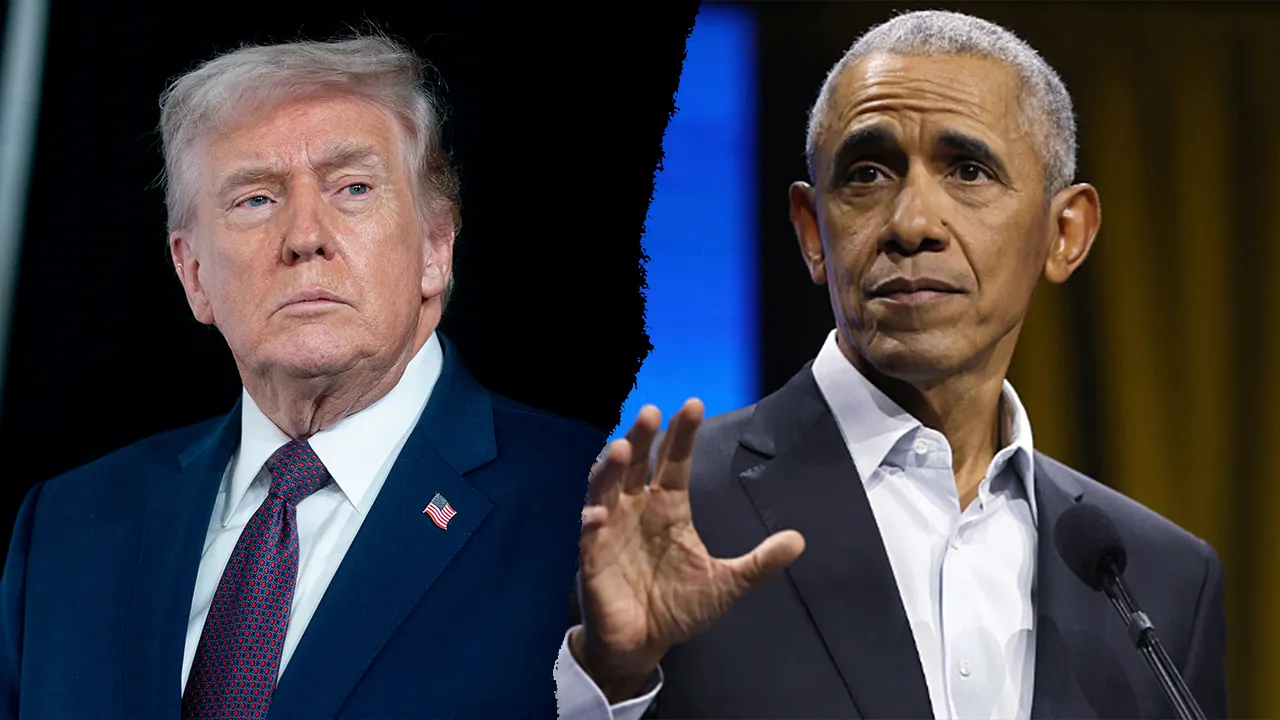
In a televised interview with NBC’s Kristen Welker, President Donald Trump criticized former President Barack Obama’s 2015 Iran nuclear agreement, calling it “stupid” and saying Obama believed he could “bribe” Tehran. Trump argued the deal empowered Iran and blamed the agreement for Iran’s accumulation of uranium, saying that Iran advanced its program during Obama’s tenure. He defended his own military actions against Iran — including referencing B-2 bomber strikes — as necessary to prevent Iran from obtaining a nuclear weapon, and claimed that his intervention averted catastrophic outcomes. Welker pushed back that Iran’s nuclear escalation accelerated after the U.S. withdrew from the JCPOA; the interview also covered Trump’s campaign promises about avoiding new wars. The interview ended abruptly after Welker challenged Trump on election-related claims; Trump accused major networks of being biased. The piece notes the history of the JCPOA, Trump’s 2018 withdrawal, and reimposition of sanctions, and states Fox News sought comment from Obama.
Biblical Reflection
From a Christian perspective, this article highlights several tensions: the need for truthful public speech, the moral weight of war, and the temptation to reduce complex diplomacy to simple blame. The president’s rhetoric is forceful and decisive, asserting that military action prevented a greater evil; but many of his factual claims about the JCPOA and the timing of Iran’s enrichment are contested by experts and by the historical record showing escalation after the U.S. withdrawal. Christians should prize truth and avoid accepting partisan assertions uncritically. At the same time, concern about a nuclear-armed regime is a legitimate public-safety worry that calls for sober, not sensational, judgment. The article’s combative tone and personal attacks (e.g., labeling the deal “stupid” and accusing a predecessor of naivete) demonstrate how political leaders can shape fear and loyalty rather than foster careful discernment, humility, and compassion for those most affected by violence. Pastoral discernment urges prayerful scrutiny of claims, insistence on accountability for decisions that risk lives, and advocacy for policies that pursue security while seeking peace and protecting civilians.
Scripture in context
This outlook does not yet include contextual Scripture citations. Do not treat a general biblical theme as an exegetical conclusion.
Faithful Response
No prescribed response is offered. Consider the reflection prompts below in your own church context.
Reflection and Discussion
- 1Which specific factual claims in political rhetoric should I verify with independent experts before accepting, and how does partisan framing shape my perception of national security threats?
- 2How does framing an opponent’s diplomacy as 'bribery' or 'stupidity' affect public willingness to pursue nonmilitary solutions, and what are the moral costs of that framing?
- 3When leaders justify force as preventing worst-case scenarios, how should Christians weigh prudence, the protection of the vulnerable, and the pursuit of peace?
Sources
Reporting links are evidence inputs; Sanctuary News' biblical reflection is commentary.
This outlook currently relies on fewer than two linked sources. Broaden verification before teaching from it.
- 1.Original reportprimary