News Summary
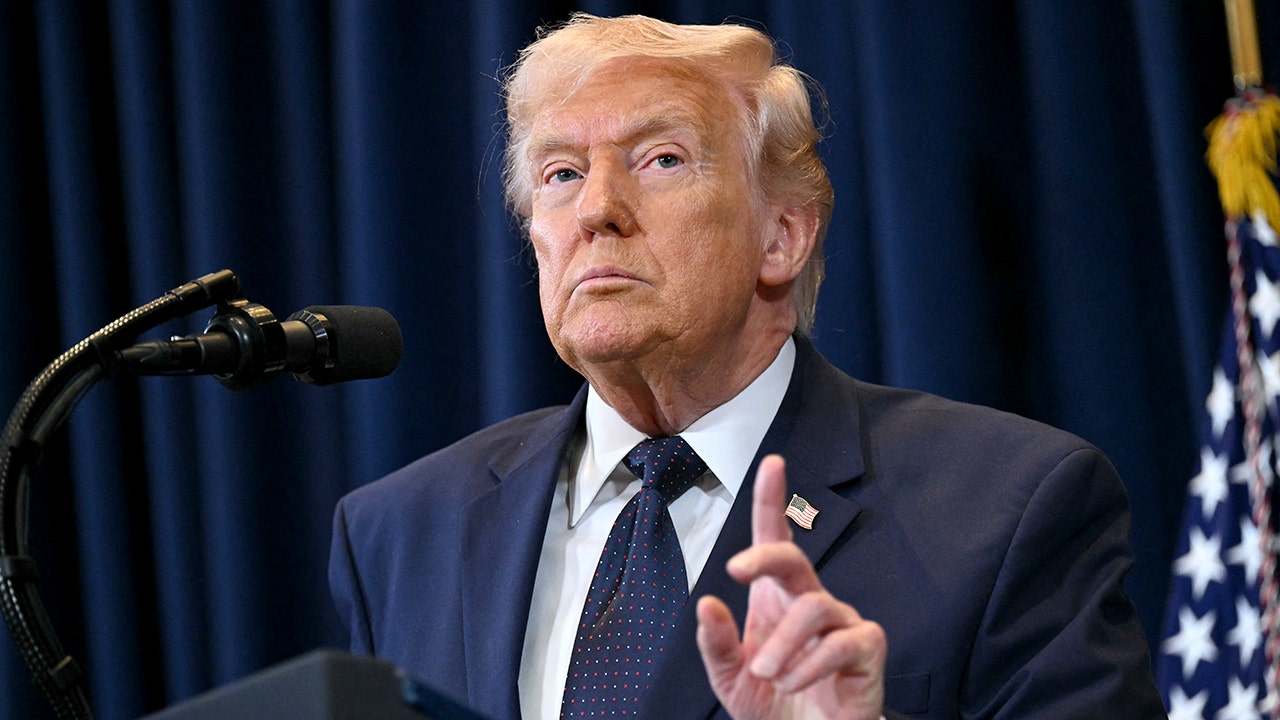
The piece reports on escalating tensions between the Trump administration and major news organizations over coverage of U.S. and Israeli strikes on Iran. President Trump has accused some media outlets of wanting America to lose the conflict and publicly attacked networks and reporters, including a combative exchange with an ABC journalist on Air Force One. Pentagon and pro-administration commentators (e.g., Pete Hegseth) have criticized headlines that they see as unsupportive of the war effort, while analysts note legitimate reporting on impacts such as disruptions in the Strait of Hormuz and rising oil prices. FCC Chair Brendan Carr signaled that broadcasters running “hoaxes and news distortions” could face license consequences if they fail to operate in the public interest, prompting pushback from Democrats and civil liberties advocates who warned of censorship and chilling effects. The article situates this moment within a broader history of presidential tensions with wartime press coverage and calls on journalists to continue asking hard questions even amid partisan pressure.
Biblical Reflection
Biblically, this story raises two persistent concerns: the call to pursue truth and the danger of power corrupting trust. Scripture repeatedly values honest speech and accountability (e.g., 'speak the truth in love'), and the press—like Christian witnesses—has a role in exposing realities that protect the vulnerable and inform the public. At the same time, leaders are called to pursue justice, humility, and the common good rather than silencing critics or weaponizing regulatory authority for partisan ends. Threats to revoke licenses over unfavorable coverage risk replacing healthy accountability with coercion, which Scripture warns against when power is exercised without justice (Proverbs 29:2). Christians should resist both idols of unquestioning patriotism and cynical delegitimization of institutions: hold leaders to moral and legal standards, expect the press to report responsibly (avoiding sensationalism and partisan distortion), and pray for wisdom that favors peace, truth, and the protection of innocents caught in wars. Practically this means discerning between legitimate national-security concerns and rhetoric that seeks to stifle inconvenient questions, advocating for transparency where lives are at stake, and pursuing reconciliation and truth-telling rooted in love rather than fear or partisan advantage.
Scripture in context
This outlook does not yet include contextual Scripture citations. Do not treat a general biblical theme as an exegetical conclusion.
Faithful Response
No prescribed response is offered. Consider the reflection prompts below in your own church context.
Reflection and Discussion
- 1Am I seeking and speaking truth in ways that reflect love for my neighbor, even amid strong political loyalties?
- 2How should Christians respond when leaders misuse authority to silence critics or when the press sensationalizes wartime reporting?
- 3What steps can I take to responsibly inform myself about conflict—balancing national loyalty with a biblical commitment to justice and compassion?
Sources
Reporting links are evidence inputs; Sanctuary News' biblical reflection is commentary.
This outlook currently relies on fewer than two linked sources. Broaden verification before teaching from it.
- 1.Original reportprimary