News Summary
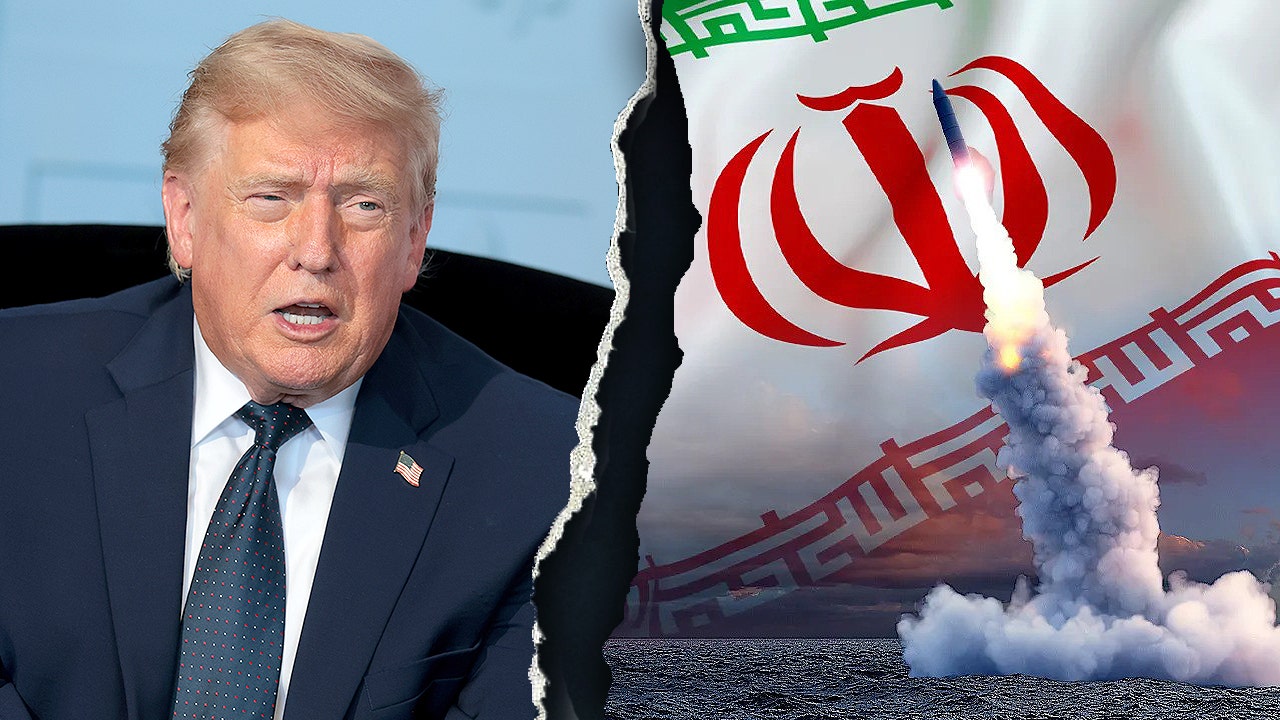
President Donald Trump, in an interview reported by Axios and republished by Fox News, described a recently signed 14-point memorandum of understanding (MOU) with Iran as "probably is unconditional surrender." He said the MOU ends the war, calls for reopening the Strait of Hormuz, and starts 60 days of nuclear negotiations. Trump claimed the U.S. conducted covert naval operations over roughly two months that destroyed large portions of Iran’s maritime forces—he said 159 ships were sunk—and asserted that Iran’s leadership had been largely eliminated. He described night-time operations in which U.S. forces disabled Iranian radar and escorts to move ships undetected, giving specific nightly counts (e.g., 25, 22, 19, 21). The article also reports that White House envoys Jared Kushner and Steve Witkoff were reportedly travelling to Switzerland for further talks. Trump linked the developments to falling oil prices and rising U.S. stock markets, and he additionally touted domestic achievements in Washington, D.C. The piece attributes these statements to Trump; it does not provide independent verification of the military claims or external confirmation of the specific casualty or ship-loss figures.
Biblical Reflection
From a Christian perspective, this article raises questions about truthfulness, the ethics of warfare, and the posture leaders take in public speech. The report primarily relays the president’s claims without independent corroboration; several details (including large-scale nighttime strikes, exact ship-loss tallies, and statements about eliminated leaders) are extraordinary and require verification from neutral military or diplomatic sources. The tone — triumphant, transactional, and militaristic — prioritizes national advantage and economic indicators (stock market, oil prices) alongside claims of security victory. Scripture encourages truth-telling, humility, and the pursuit of peace; public leaders are held to account for words that affect life, safety, and international relations. Christians should be wary of unverified boasting about violence or dehumanizing language toward enemies, while also praying for genuine peace, justice, and the protection of civilians. At the same time, celebrating a genuine move toward ending armed conflict and preventing nuclear proliferation would align with love of neighbor and responsibility for the vulnerable. Discernment requires verifying facts, resisting partisan triumphalism, and centering the welfare of people affected by war.
Scripture in context
This outlook does not yet include contextual Scripture citations. Do not treat a general biblical theme as an exegetical conclusion.
Faithful Response
No prescribed response is offered. Consider the reflection prompts below in your own church context.
Reflection and Discussion
- 1Which parts of this report are direct claims from a political leader and which have independent verification, and why does that distinction matter?
- 2How does framing military action as a point of national triumph shape public imagination about war, peace, and the worth of enemies?
- 3Are economic indicators being used to justify or obscure the human and moral costs of conflict, and how should Christians weigh those claims?
Sources
Reporting links are evidence inputs; Sanctuary News' biblical reflection is commentary.
This outlook currently relies on fewer than two linked sources. Broaden verification before teaching from it.
- 1.Original reportprimary