News Summary
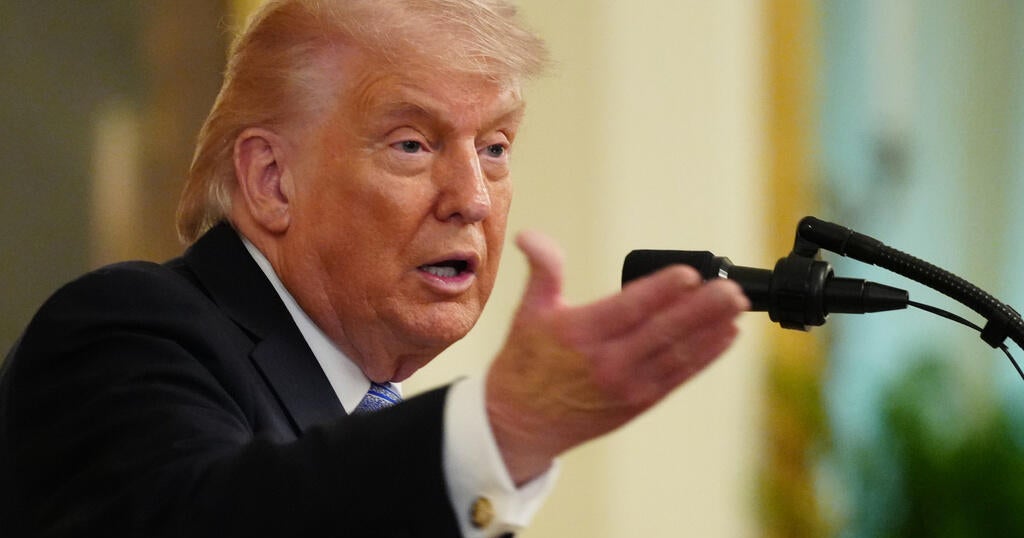
In Indiana Republican primaries held May 5, 2026, five state senators who voted against a proposed GOP congressional redistricting map were defeated by challengers endorsed by former President Donald Trump, according to Associated Press projections. A sixth Trump-backed candidate won an open GOP primary in a seat where an incumbent who opposed the map did not seek reelection. One incumbent who had opposed the map survived a Trump-backed challenge, and one contest between an anti-redistricting incumbent and a Trump endorsee remained undecided with a very narrow margin. The contested redistricting plan, supported by Governor Mike Braun and White House allies, would have shifted Indiana’s nine congressional districts to favor Republicans; it passed the state House but failed in the state Senate despite the Republican 40-10 supermajority after 21 Republican senators voted against it. Senate President Rodric Bray opposed the map, saying it was not the right approach for Indiana. Trump publicly criticized and vowed retaliation against senators who opposed the plan, endorsing challengers in multiple races and providing public attacks on holdouts; he also endorsed incumbents who supported the map. Outside spending and advertising surged in the state Senate primaries, with tracking firm AdImpact reporting roughly $13.5 million in ad spending this cycle vs. about $300,000 two years earlier, and state leaders estimating about $9 million in out-of-state money. Some senators who voted against the map reported doxxing and harassment prior to the election. After his defeat, longtime senator Travis Holdman said he stood by his vote and remarked that “revenge and retribution is not a Christian value.”
Biblical Reflection
This story highlights several intersecting realities: the power of national political figures to shape local primaries, the ethical questions around redistricting, and the personal cost borne by public servants who break with party leaders. From a biblical perspective, Christians should note two tensions. First, the use of political muscle, public shaming, and financial pressure to punish dissent raises moral questions about the pursuit of power and retribution. Scripture repeatedly warns against vengeance and calls for humility, justice, and restraint (see Romans 12). Second, concerns about gerrymandering and partisan mapmaking touch on stewardship of civic systems — Christians are called to seek just institutions that serve the common good rather than entrench factional advantage. The article itself is primarily descriptive but emphasizes conflict, money, and presidential influence; that framing directs attention to power dynamics and spectacle, which can obscure substantive ethical debate over whether a map serves fair representation. Christians should therefore filter such coverage by asking whether actions advance truth, protect the vulnerable, and promote flourishing, rather than simply reward partisan loyalty or exact punishment. At the same time, the report notes legitimate arguments made by the holdouts — worries about precedent and electoral uncertainty — which are ethically relevant and deserve sober consideration rather than reduction to mere ‘‘betrayal.’’ In short: scrutinize tactics and motives, affirm commitments to justice and principled decision-making, and pray for leaders who balance party loyalty with conscience and the common good.
Scripture in context
This outlook does not yet include contextual Scripture citations. Do not treat a general biblical theme as an exegetical conclusion.
Faithful Response
No prescribed response is offered. Consider the reflection prompts below in your own church context.
Reflection and Discussion
- 1Whose motives does the coverage foreground — policy arguments about representation or personal/partisan retaliation — and how does that affect how you judge the events?
- 2How do the tactics described (endorsements, outside spending, public shaming) align with Christian teachings about justice, humility, and love of neighbor?
- 3When a political action could secure advantage for one side but weaken public trust in institutions, which considerations should weigh most heavily for a Christian evaluating it?
Sources
Reporting links are evidence inputs; Sanctuary News' biblical reflection is commentary.
This outlook currently relies on fewer than two linked sources. Broaden verification before teaching from it.
- 1.Original reportprimary