News Summary
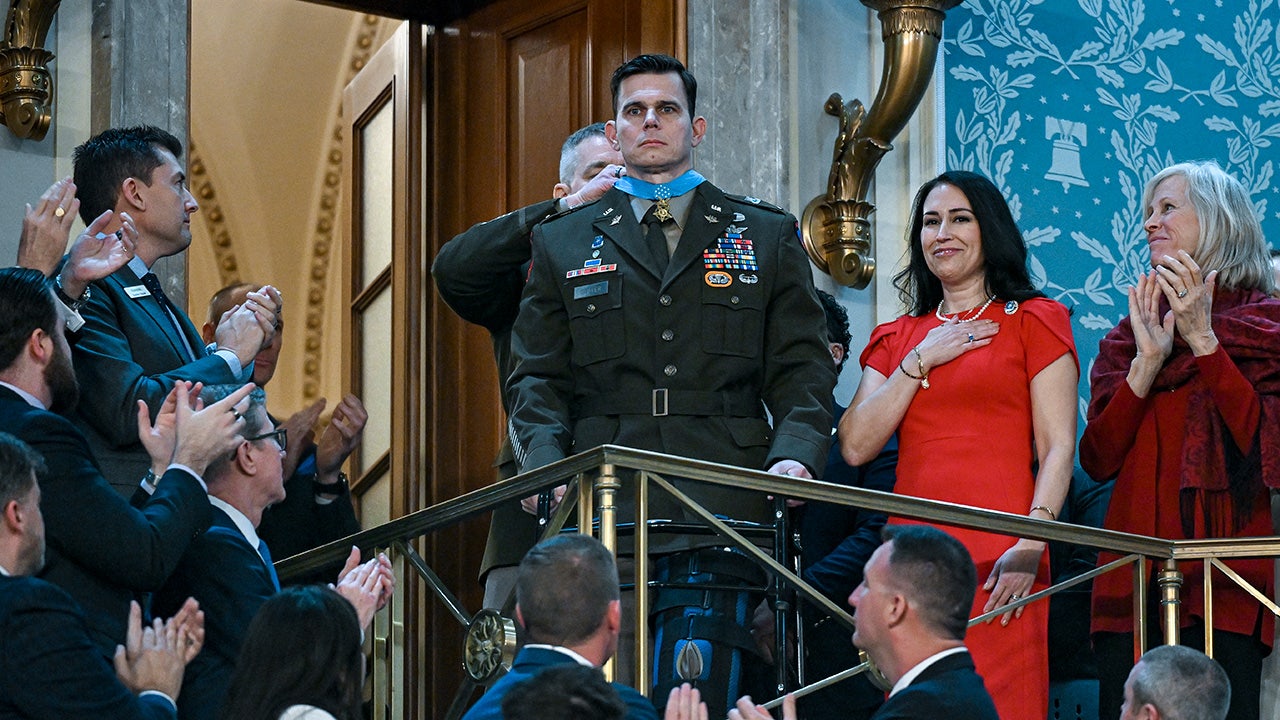
During the 2026 State of the Union address, President Donald Trump presented the Medal of Honor—the highest U.S. military accolade—to two American veterans: Chief Warrant Officer Eric Slover and retired Navy Captain E. Royce Williams. Slover was recognized for his valor in a high-risk January raid aimed at capturing Venezuelan leader Nicolás Maduro, during which he continued piloting a Chinook helicopter despite suffering severe leg wounds, ensuring mission success and the safety of his comrades. Williams, now 100 years old, was honored for his extraordinary combat prowess during a 1952 aerial battle in the Korean War, where he single-handedly downed four Soviet MiG-15 jets in a classified engagement. The ceremonies highlighted the administration’s emphasis on military service and drew bipartisan applause, with the acts of bravery celebrated as emblematic of American heroism.
Biblical Reflection
From a biblical perspective, the recognition of courage, self-sacrifice, and service for others aligns with key Christian virtues. Jesus taught, 'Greater love has no one than this: to lay down one's life for one's friends' (John 15:13). The acts of Chief Slover and Captain Williams exemplify this principle, as both risked—and in Slover's case, suffered—grave harm for the safety and success of others. However, Christians are also called to consider the full context of war and violence through the lens of Christ’s teachings on peacemaking and reconciliation (Matthew 5:9). While valor in the service of protection and justice is honorable, believers must prayerfully discern the complexities of military action, ensuring that such deeds are in service of true justice and not merely national pride or political gain. The public honoring of military heroism should prompt gratitude and reflection, but also humility, remembering that ultimate allegiance is to God’s kingdom and the pursuit of peace.
Scripture in context
This outlook does not yet include contextual Scripture citations. Do not treat a general biblical theme as an exegetical conclusion.
Faithful Response
No prescribed response is offered. Consider the reflection prompts below in your own church context.
Reflection and Discussion
- 1How do I honor and pray for those who risk their lives for others, even as I seek to follow Jesus' teachings about peace?
- 2In what ways can I discern the difference between true self-sacrifice and actions motivated by pride or politics?
- 3How does my faith shape my view of heroism and service in contexts of conflict and war?
Sources
Reporting links are evidence inputs; Sanctuary News' biblical reflection is commentary.
This outlook currently relies on fewer than two linked sources. Broaden verification before teaching from it.
- 1.Original reportprimary