News Summary
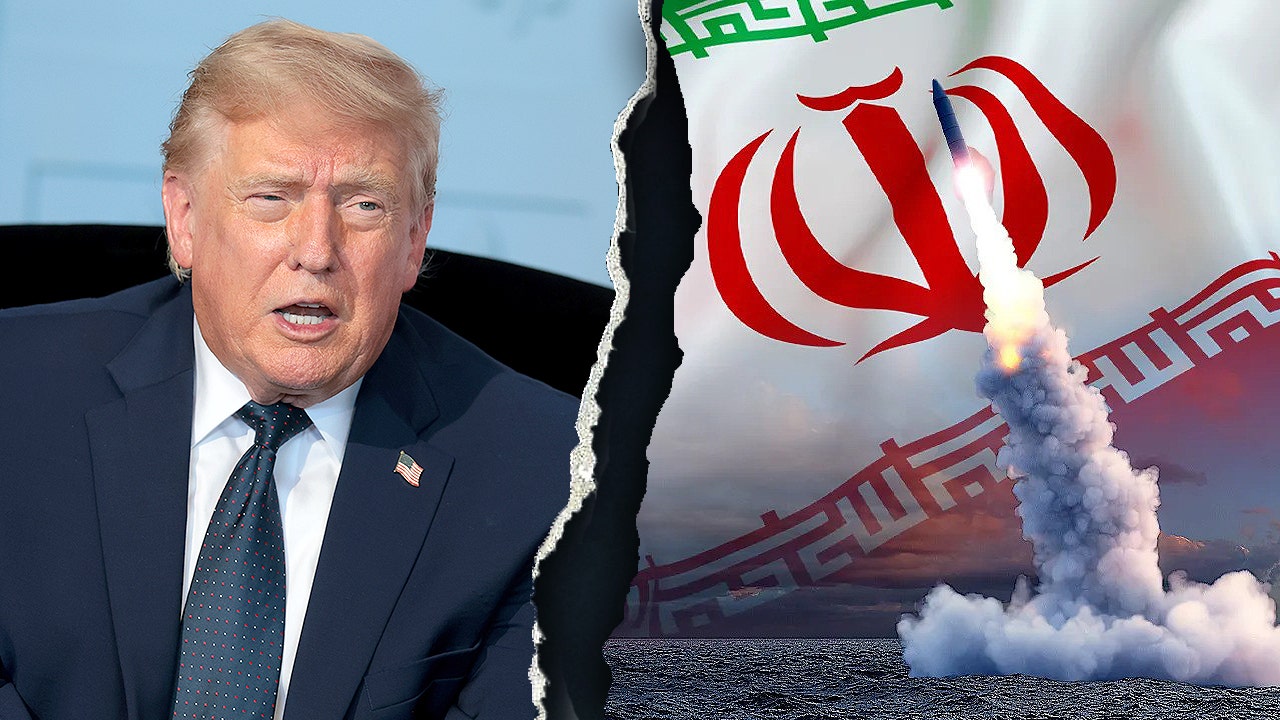
President Donald Trump publicly attacked The New York Times over its reporting on the Iran conflict, calling the paper "corrupt and unethical cowards," accusing it of publishing "fake" facts, and labeling its coverage "treasonous." Trump repeated claims that Iran's military and economy have been devastated, cited high inflation and disrupted Iranian leadership, and noted that the Strait of Hormuz is open and oil shipments are moving. The article notes Republican criticism of Trump’s decision to unfreeze $300 billion in Iranian assets and to waive oil sanctions for 60 days, which could allow Iran to earn roughly $10 billion; Iran’s government denies new nuclear commitments. Trump said he would add his treason allegation to a $15 billion lawsuit against The New York Times; the Times previously called his suit an attempt to stifle reporting. Separately, the Justice Department withdrew subpoenas seeking testimony from reporters at the Wall Street Journal and Washington Post in a Virginia grand jury matter after the outlets fought the subpoenas. The piece also recounts Trump’s threat to sue ABC over reporting about the Lincoln Memorial Reflecting Pool, coverage of his interviews with reporters (notably Maggie Haberman and Jonathan Swan), and broader tensions between the White House and press corps.
Biblical Reflection
This story shows a collision of political power, media accountability, and national security rhetoric. The president’s escalated public denunciations and legal threats against a news organization risk chilling independent reporting and blur the line between legitimate critique and attempts to intimidate or punish critics. At the same time, media outlets have a duty to report clearly and accurately on matters of war, sanctions, and diplomatic commitments; readers should weigh competing claims and seek corroboration. From a Christian pastoral lens, truth-telling, humility, and protection of institutions that check power matter for the common good. Leaders are called to steward words responsibly because language shapes public life and can inflame fear or suppress needed scrutiny. The article mixes verifiable claims (policy moves, denials by Iran, withdrawal of DOJ subpoenas) with heated rhetoric and unproven accusations (labels of treason and criminality), so Christians should practice discernment: hold institutions and leaders accountable, defend press freedom, and resist rhetoric that equates disagreement with criminal betrayal.
Scripture in context
This outlook does not yet include contextual Scripture citations. Do not treat a general biblical theme as an exegetical conclusion.
Faithful Response
No prescribed response is offered. Consider the reflection prompts below in your own church context.
Reflection and Discussion
- 1Does equating unfavorable reporting with criminality change how we evaluate legitimate media criticism versus intimidation?
- 2Which facts in this coverage are independently verifiable, and where might partisan framing or rhetorical escalation be distorting the public picture?
- 3How should Christians balance respect for civil authority with the call to defend free and truthful reporting that protects the vulnerable and checks power?
Sources
Reporting links are evidence inputs; Sanctuary News' biblical reflection is commentary.
This outlook currently relies on fewer than two linked sources. Broaden verification before teaching from it.
- 1.Original reportprimary