News Summary
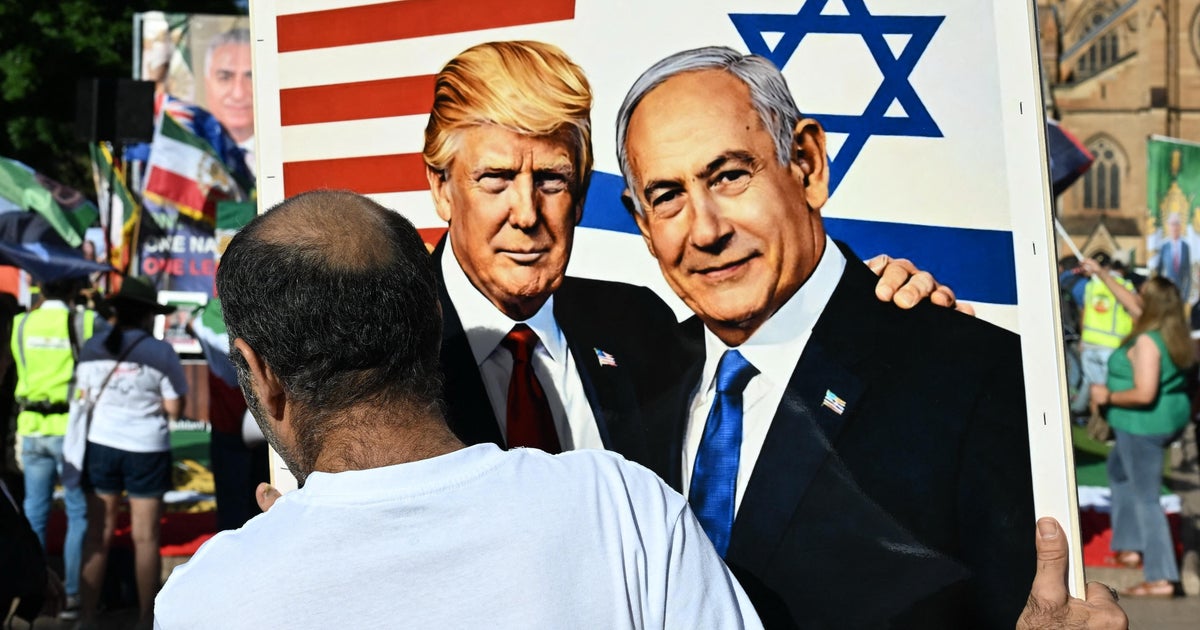
President Trump had planned to announce a U.S.-brokered agreement with Iran to extend a ceasefire and reopen the Strait of Hormuz, but Israeli airstrikes on Beirut hours before the signing killed at least three people and jeopardized the deal. Trump publicly and privately scolded Israeli Prime Minister Benjamin Netanyahu, using profane language, after the strikes. The article traces the recent evolution of the Trump–Netanyahu relationship: close ties in 2025 gave way to friction during the more-than-three-month war following the killing of Iran's Supreme Leader and ensuing strikes. Key flashpoints included an Israeli strike on Iran's South Pars gas field that raised energy prices, separate Israeli attacks in southern Lebanon that caused large civilian casualties, and Israeli strikes that threatened to derail indirect U.S.-Iran talks. Netanyahu is portrayed as politically constrained by campaign promises and domestic pressures to pursue a decisive outcome against Iran and Hezbollah; Trump is portrayed as increasingly motivated to end U.S. involvement to reopen shipping lanes, lower energy prices, and address domestic political concerns. Diplomatic efforts produced temporary truces and a memorandum of understanding that included a ceasefire with Lebanon, but ongoing clashes in Lebanon and halted direct talks in Switzerland left the agreement fragile. U.S. officials have not cut major military support to Israel, and analysts quoted in the article doubt Trump seeks a permanent rupture with Netanyahu even as tensions rise. Casualty figures cited include the initial Beirut deaths (at least three), later Lebanese reports of 18 civilians killed during intense clashes, and Israeli reports of four soldiers killed in related fighting.
Biblical Reflection
The story shows how national security concerns, political survival, and differing threat assessments can push allied leaders toward conflict with one another even as they claim shared goals. The article largely presents factual reporting and direct quotes but leans into the personal drama between leaders—profane phone calls and public insults—which can distract from the larger moral cost: civilian deaths, displacement, and the fragility of any negotiated peace. From a Christian perspective, the central moral questions are whether leaders are pursuing the common good and protecting innocents or prioritizing political advantage and national prestige. Both Trump’s desire to end U.S. involvement and Netanyahu’s insistence on decisive military outcomes reflect understandable security concerns, yet both are vulnerable to choices that escalate violence or undermine trust between partners. Christians should note two cautions: first, be wary of narratives that personalize geopolitics into theatre, which can obscure responsibility for real human suffering; second, recognize that alliances do not absolve moral critique—faithful discipleship calls for honest appraisal of actions that harm civilians, impede peace talks, or use war for political ends. The article invites prayerful discernment for wise, humble leadership that values truth, peace, and the protection of vulnerable people above partisan advantage.
Scripture in context
This outlook does not yet include contextual Scripture citations. Do not treat a general biblical theme as an exegetical conclusion.
Faithful Response
No prescribed response is offered. Consider the reflection prompts below in your own church context.
Reflection and Discussion
- 1Whose immediate political interests are most visible in this account, and how might that shape the decisions described?
- 2How does focusing on personal conflict between leaders change our attention to the humanitarian consequences and to what peace would require?
- 3When leaders claim moral imperatives for war, what evidence should we demand to assess whether those claims serve justice and protect civilians?
Sources
Reporting links are evidence inputs; Sanctuary News' biblical reflection is commentary.
This outlook currently relies on fewer than two linked sources. Broaden verification before teaching from it.
- 1.Original reportprimary