News Summary
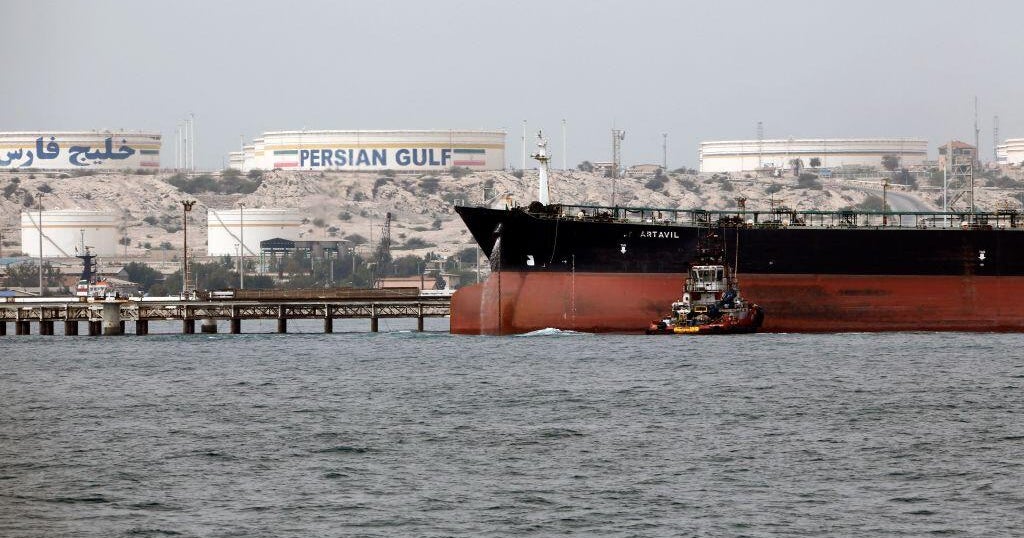
The U.S. Treasury has issued a temporary license (effective until April 19) allowing the purchase of Iranian oil that was already loaded onto ships by 12:01 a.m. ET on the stated Friday. The exemption is intended to add supply to global markets and help blunt rising oil prices tied to the U.S. war with Iran and disruptions through the Strait of Hormuz. Treasury Secretary Scott Bessent said the move could free about 140 million barrels that otherwise might have been hoarded, and framed it as using Iranian barrels to lower prices while continuing pressure on Tehran. The administration says proceeds will be constrained so Iran cannot easily access funds. This follows a similar, time-limited easing for Russian oil already at sea. Critics (notably Congressional Democrats) argue the reprieves risk financially aiding adversaries (including Putin) and creating new channels for sanctions evasion. The article also notes other Trump administration steps to address prices — releasing 172 million barrels from the Strategic Petroleum Reserve, offering to escort tankers (with other nations), and authorizing other measures — and recounts recent strikes on Iranian petroleum infrastructure and discussion of strikes on Kharg Island as part of ongoing military actions.
Biblical Reflection
Scripturally, this story sits in a morally complicated place. On one hand, governing authorities are called to care for the common good: easing acute economic pain (high energy prices) can be an act of practical compassion that helps families, businesses, and vulnerable people. Proverbs and the prophets praise leaders who seek wise counsel and act to protect people from unnecessary hardship. On the other hand, Scripture insists on justice, truth, and refusing to enable wrongdoing. Temporarily loosening sanctions that were intended to pressure regimes committing harm raises legitimate moral alarms if those measures strengthen violence or enable oppression. Christians should weigh two biblical imperatives together: love mercy (mitigating suffering) and pursue justice (not empowering evil). The motives and accountability structures behind such policy choices matter. If exemptions are truly constrained, transparently administered, and time-limited to prevent funding violence while relieving hardship, they can reflect prudential stewardship. If they become backdoors that fund aggression, they run counter to God's call for righteousness and the protection of the innocent. Practically, believers should pray for wise leaders, demand transparency and accountability, care for those hurt by price shocks at home and abroad, and resist simplistic partisanship—holding leaders of any party to biblical standards of truth, justice, and mercy.
Scripture in context
This outlook does not yet include contextual Scripture citations. Do not treat a general biblical theme as an exegetical conclusion.
Faithful Response
No prescribed response is offered. Consider the reflection prompts below in your own church context.
Reflection and Discussion
- 1Where can I see the tension between mercy (relieving suffering) and justice (holding wrongdoers accountable) in this policy, and which should weigh more heavily for Christians in this case?
- 2How can I pray or act in a way that encourages both mercy for the vulnerable and accountability for those who wage war or oppress others?
- 3Am I allowing partisan loyalties to shape my moral judgment, or am I applying Scripture's commands for justice, truth, and compassion impartially?
Sources
Reporting links are evidence inputs; Sanctuary News' biblical reflection is commentary.
This outlook currently relies on fewer than two linked sources. Broaden verification before teaching from it.
- 1.Original reportprimary