News Summary
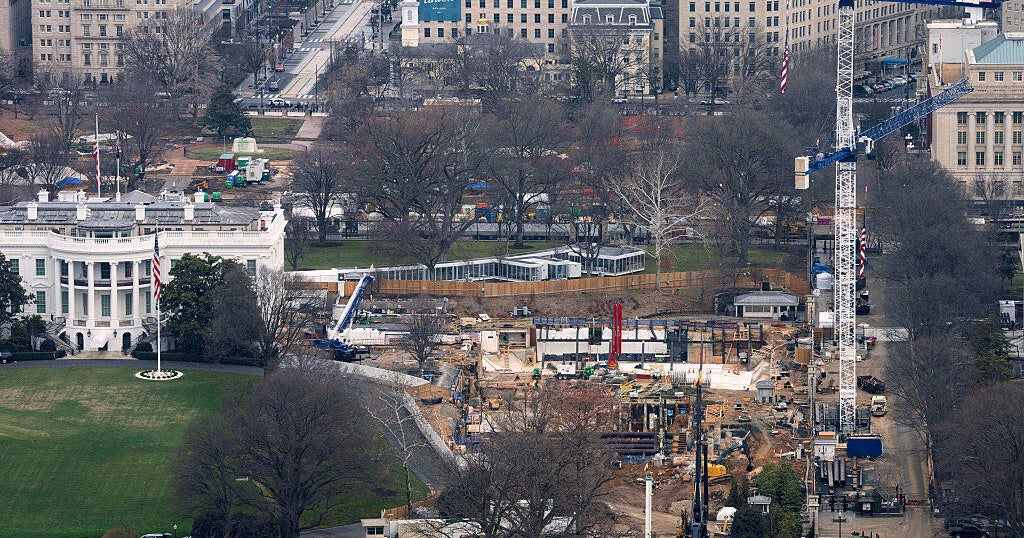
The Trump administration has proposed building an underground, roughly 33,000-square-foot visitor screening facility on federal land in Sherman Park, southeast of the White House. The National Capital Planning Commission (NCPC) will consider the plan at its April 2 meeting. The facility — developed by the Executive Office of the President with the U.S. Secret Service, Interior Department, and National Park Service — would centralize ID checks, provide multiple entry lanes, a lobby and an additional checkpoint, and be designed to handle large groups. Construction could begin as early as fall 2026 and finish by July 2028. The NCPC materials did not include an estimated cost or funding source. White House spokesman Davis Ingle framed the project as a modernization to improve visitor experience, replacing temporary trailers and tents where visitors had previously queued. The plan says the Sherman statue would remain and that at least six trees would be removed and replaced with native species as part of landscape restoration; the project aims to maintain public access and avoid detracting from surrounding monuments. The proposal arrives amid other controversial construction efforts in Washington, including the White House ballroom, a Kennedy Center renovation, and discussion of a triumphal arch.
Biblical Reflection
From a Christian perspective, this story raises competing moral goods that Scripture helps weigh. On the one hand, providing security and treating visitors with dignity are legitimate public goods (protecting life, offering hospitality). Ensuring safety for those who come to a national symbol can be an act of neighbor-love (Mark 12:31). On the other hand, the project touches questions of stewardship, transparency, and humility. The plan lacks disclosed cost and funding details — and uses public, historic parkland that includes trees and monuments — so the community cannot easily assess whether resources are being used justly or whether sacred public spaces are being altered without full accountability. Scripture repeatedly calls leaders to just, transparent stewardship (e.g., Micah’s call to do justice and to walk humbly with God) and warns against using power for ostentation or self-glorification (Proverbs and Jesus’ teachings on humility). Practically, Christian discernment should hold both truths: support measures that genuinely protect people and welcome visitors, while insisting on open processes, honest accounting, care for creation (trees, parkland, historic monuments), and respect for the common good. Where projects affect public spaces, believers can advocate for fair process, wise stewardship, and preservation of shared heritage rather than silence or uncritical praise of modernization. Finally, we should pray for wisdom for officials, protection for the vulnerable, and justice for the community affected.
Scripture in context
This outlook does not yet include contextual Scripture citations. Do not treat a general biblical theme as an exegetical conclusion.
Faithful Response
No prescribed response is offered. Consider the reflection prompts below in your own church context.
Reflection and Discussion
- 1How can I balance support for public safety with concerns about stewardship of shared spaces and accountability?
- 2In what ways should Christians press for transparency and care for creation when public projects affect community land and historic sites?
- 3How can I pray for and practically support leaders to act justly, love mercy, and walk humbly in decisions about public resources?
Sources
Reporting links are evidence inputs; Sanctuary News' biblical reflection is commentary.
This outlook currently relies on fewer than two linked sources. Broaden verification before teaching from it.
- 1.Original reportprimary