News Summary
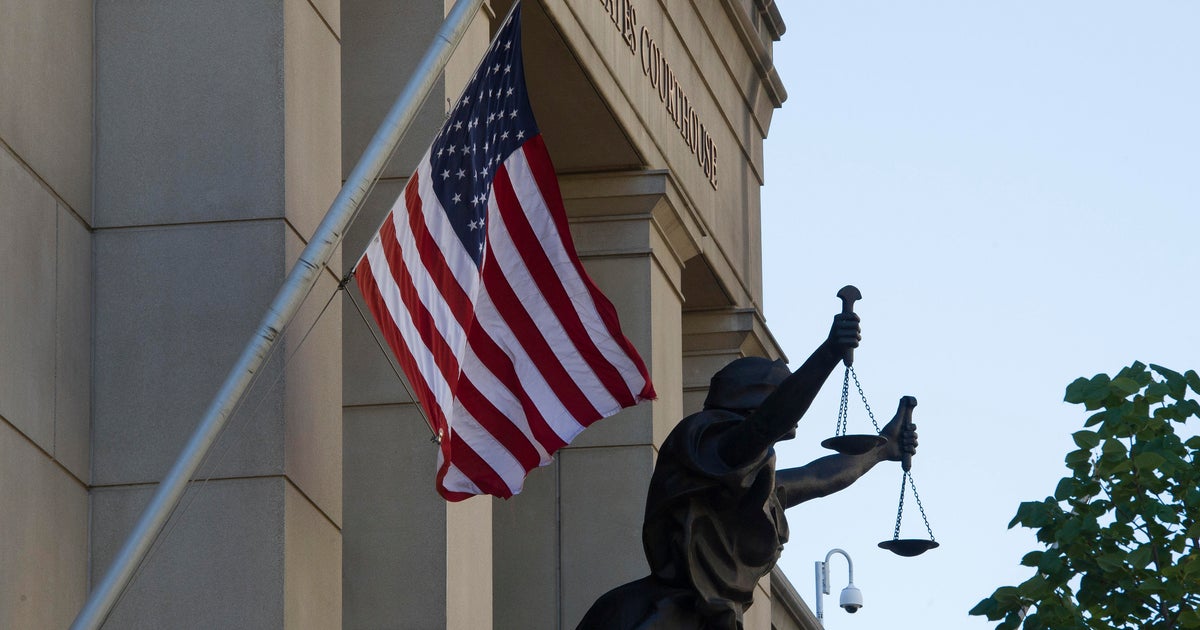
The article reports on a growing conflict between the Trump administration and the federal judiciary regarding the appointment of the top prosecutor (U.S. Attorney) in the Eastern District of Virginia. Federal judges appointed James W. Hundley as interim U.S. Attorney after the previous interim's term expired, citing federal law. However, the Trump administration fired Hundley soon after his appointment, insisting that only the President has the authority to make such appointments. This is the second time in a month that the Trump administration has dismissed an interim U.S. Attorney selected by judges, amid ongoing legal disputes over the legitimacy of previous appointments and the Senate confirmation process. The situation is complicated by recent indictments and resignations within the office, as well as similar disputes occurring in other states. Critics accuse the administration of bypassing legal norms and Senate oversight, while the administration claims executive privilege. The matter remains contentious and unresolved.
Biblical Reflection
Through a biblical lens, this news story highlights issues of authority, accountability, and the stewardship of power. Scripture repeatedly warns against leaders who place their own interests above justice and the common good (Micah 6:8, Proverbs 29:2). The apparent power struggle between the executive and judicial branches, and the sidestepping of established processes, raises questions about integrity and respect for lawful order. Romans 13:1-2 reminds believers that all authorities are established by God, yet those in authority are called to serve with righteousness and humility, not as a means to advance personal agendas. The confusion and conflict described in this article suggest a breakdown of trust and transparency, which undermines justice—the very thing that government is meant to uphold (Isaiah 1:17). As Christians, we are called to pray for leaders, to seek truth, and to advocate for systems that reflect fairness, honesty, and mutual accountability.
Scripture in context
This outlook does not yet include contextual Scripture citations. Do not treat a general biblical theme as an exegetical conclusion.
Faithful Response
No prescribed response is offered. Consider the reflection prompts below in your own church context.
Reflection and Discussion
- 1How do I respond when I see leaders or institutions acting in ways that seem unjust or self-serving?
- 2In what ways can I encourage or model humility, integrity, and respect for lawful processes in my own sphere of influence?
- 3How might prayer for those in authority contribute to a more just and peaceful society?
Sources
Reporting links are evidence inputs; Sanctuary News' biblical reflection is commentary.
This outlook currently relies on fewer than two linked sources. Broaden verification before teaching from it.
- 1.Original reportprimary