News Summary
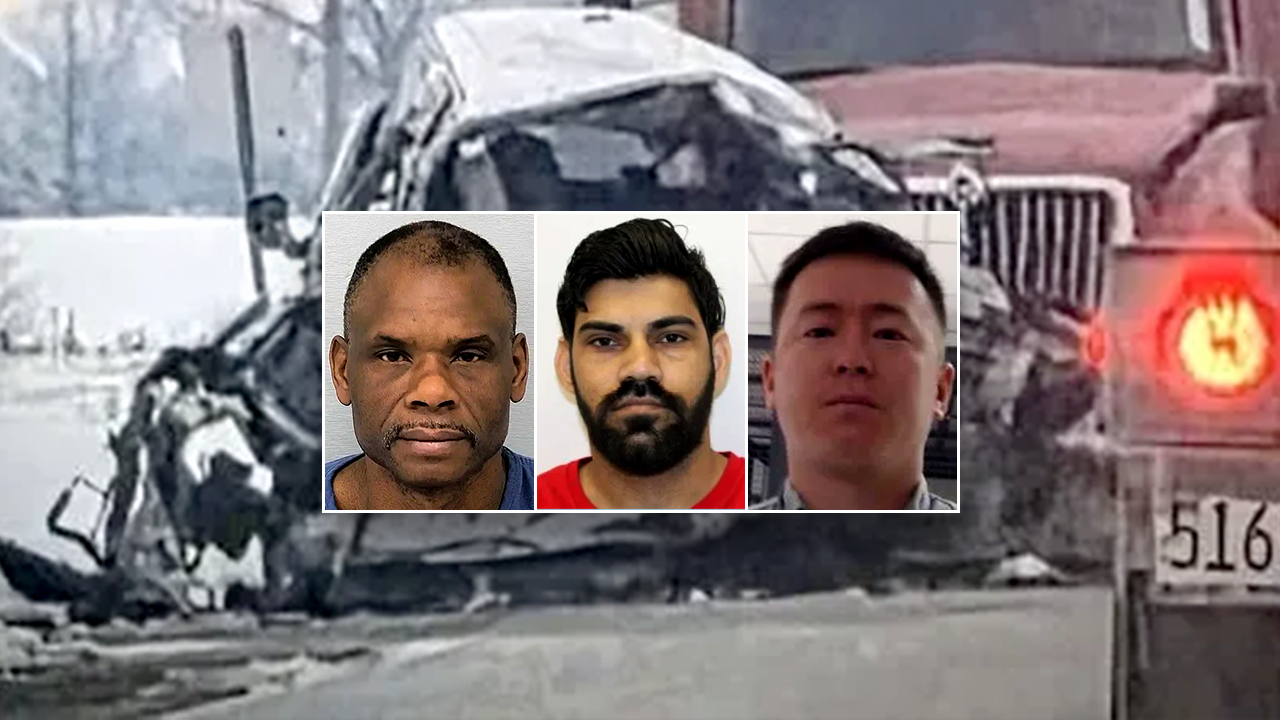
An industry executive, Mike Kucharski of JKC Trucking, told Fox News Digital that improperly trained or fraudulently licensed commercial drivers are a growing danger on U.S. highways and called for more investigations. The story cites recent high‑profile crashes in which authorities say drivers obtained licenses or citizenship under false identities or were undocumented: Modou Ngom (Ohio crash that killed a family of three; officials say he fraudulently obtained an Ohio license, a CDL, and later citizenship under an alternate identity), Bekzhan Beishekeev (Indiana crash on Feb. 3, charged after allegedly killing four people; ICE says he was an undocumented driver issued a Pennsylvania CDL), and Rajinder Kumar (Oregon jackknife crash accused of killing a newlywed couple; ICE arrest noted). The article notes Texas Attorney General Ken Paxton opened an investigation into several commercial driving schools for allegedly providing inadequate training and certifying non‑English speakers in violation of federal and state rules. It also references U.S. Transportation Secretary Sean Duffy’s announcement that the Department of Transportation issued more than 550 decertification notices to so‑called “sham” CDL training schools. Kucharski argues the problem is a public‑safety issue and an economic one—saying underpriced, non‑domiciled drivers can undercut legitimate carriers, raise insurance and liability costs, and harm small businesses. The piece quotes Kucharski urging industry action and describes ICE activity and federal and state probes related to improperly issued CDLs.
Biblical Reflection
The article raises a legitimate public‑safety concern: drivers of heavy commercial vehicles need verified training, testing, and licensing because mistakes can cause catastrophic harm. At the same time, the piece relies heavily on selected, high‑profile cases and advocacy voices within the industry and government; that presentation can give the impression these incidents are uniformly representative of all immigrant drivers or of all CDL schools. Christians should test both the factual claims and the framing. Truth requires careful assessment of systemic failures (fraud, lax oversight, sham schools, and enforcement gaps) rather than broad generalizations about immigrant people. Scripture calls us to protect the vulnerable and pursue justice (including public safety and honest regulation) while also showing mercy to those who are marginalized. Policies and responses that focus on rooting out fraud, enforcing licensing standards, improving oversight of training programs, and strengthening testing procedures are consistent with both protecting neighbors and upholding truth. But responses framed as scapegoating a people group or using dehumanizing language contradict Christian ethics. As you read, separate concrete regulatory failures and evidence of criminality from rhetoric that assigns collective blame; advocate for measures that secure the roads, hold bad actors accountable, and treat migrants and workers with dignity.
Scripture in context
This outlook does not yet include contextual Scripture citations. Do not treat a general biblical theme as an exegetical conclusion.
Faithful Response
No prescribed response is offered. Consider the reflection prompts below in your own church context.
Reflection and Discussion
- 1Does the reporting distinguish systemic regulatory failures (fraud, sham schools, enforcement gaps) from the nationality or immigration status of individual drivers, or does it conflate them?
- 2What evidence is offered that the cited incidents are representative of broader industry trends, and what additional data would fairly answer whether this is a widespread problem?
- 3How can public safety measures (stricter testing, oversight, and enforcement) be pursued in ways that uphold both justice and compassion for vulnerable people?
Sources
Reporting links are evidence inputs; Sanctuary News' biblical reflection is commentary.
This outlook currently relies on fewer than two linked sources. Broaden verification before teaching from it.
- 1.Original reportprimary