News Summary
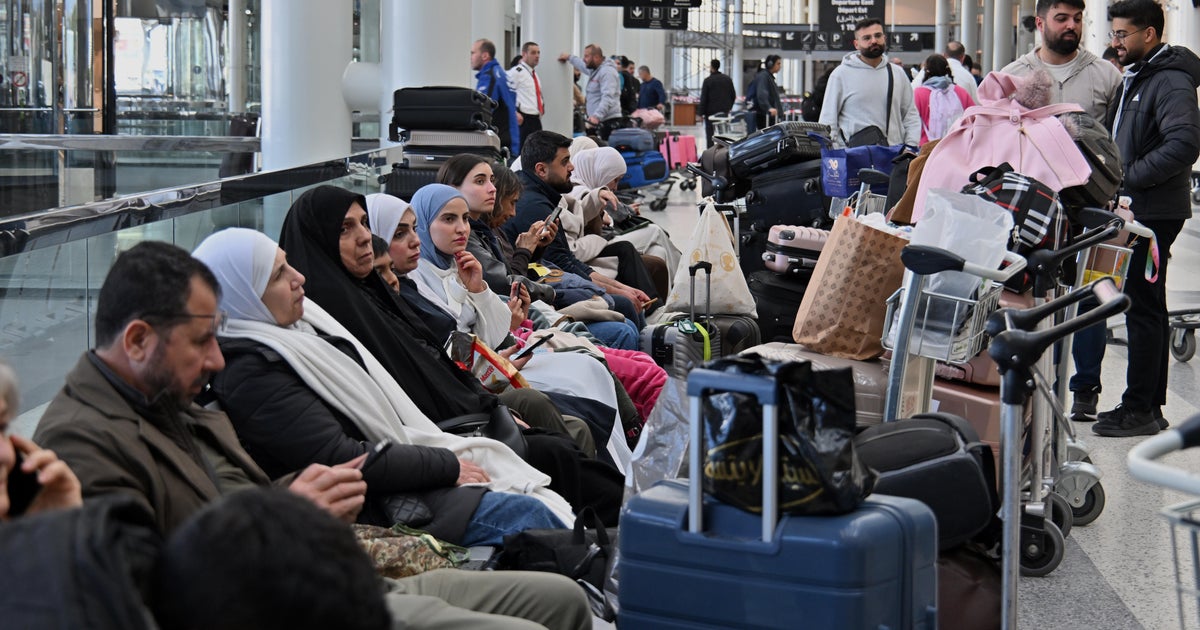
In the wake of escalating military conflict between the U.S.-Israel alliance and Iran, airspace across much of the Middle East has been closed, resulting in the cancellation of more than 2,400 flights and leaving thousands of travelers stranded. Major airports in Dubai, Abu Dhabi, Doha, and Manama were shut down, and Israeli airspace remains closed. Airlines like Emirates, Qatar Airways, and United Airlines have suspended flights to affected destinations, and are offering waivers for rebooking. The closures have forced airlines to reroute flights, increasing travel times and operational costs, which may soon lead to higher ticket prices. Officials are monitoring the situation closely, with hopes that partial reopening of airspace will be possible as military operations become more defined.
Biblical Reflection
From a biblical perspective, this article highlights the far-reaching consequences of war—not just for governments and militaries, but for ordinary people whose lives and plans are disrupted. Scripture repeatedly calls us to pray for peace and to remember the suffering of those caught in the crossfire of human conflict. The uncertainty, fear, and frustration faced by stranded travelers remind us of the world's brokenness and the deep need for reconciliation and peace (Matthew 5:9). The logistical turmoil also underscores our vulnerability and dependence on God rather than our own plans (James 4:13-15). As Christians, we are called to be peacemakers, to intercede for those affected, and to reflect Christ’s compassion in times of turmoil, seeking opportunities to serve and comfort those in distress.
Scripture in context
This outlook does not yet include contextual Scripture citations. Do not treat a general biblical theme as an exegetical conclusion.
Faithful Response
No prescribed response is offered. Consider the reflection prompts below in your own church context.
Reflection and Discussion
- 1How can I be a peacemaker in my own sphere of influence, especially when international conflict causes suffering?
- 2In what ways am I challenged to trust God with disrupted plans and uncertainty?
- 3How can I pray for and support those whose lives are deeply affected by war, even from afar?
Sources
Reporting links are evidence inputs; Sanctuary News' biblical reflection is commentary.
This outlook currently relies on fewer than two linked sources. Broaden verification before teaching from it.
- 1.Original reportprimary