News Summary
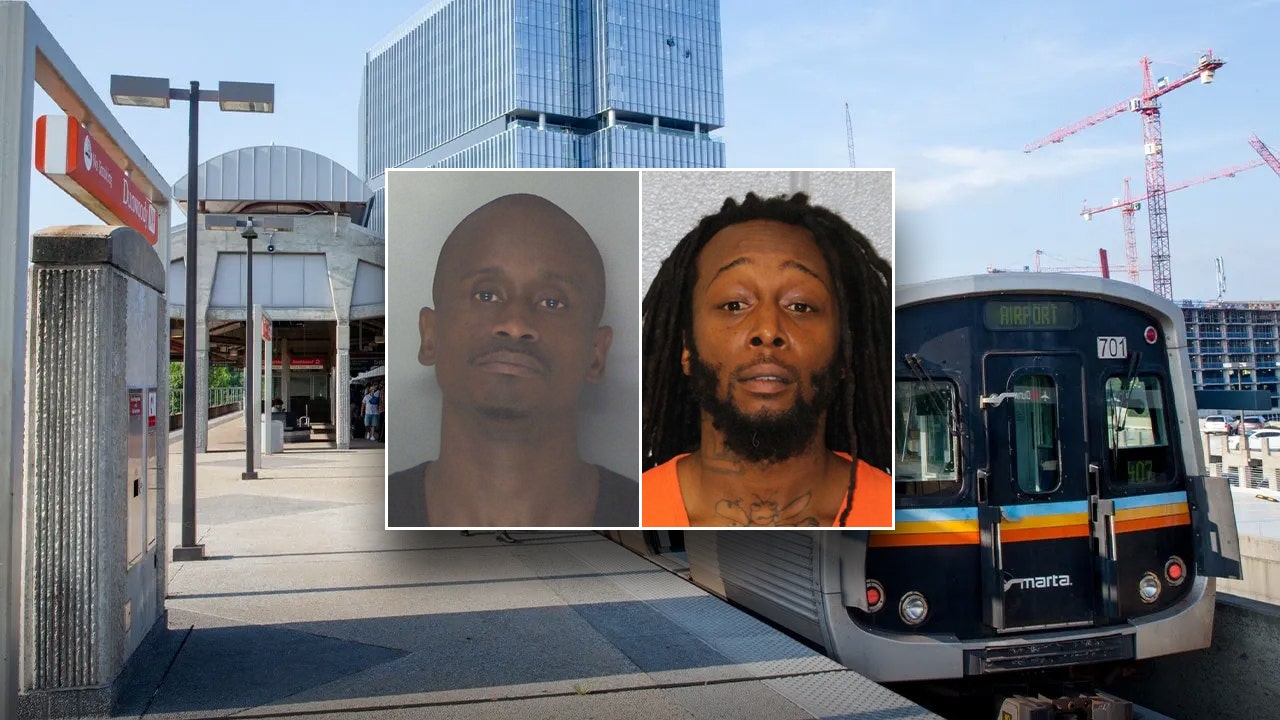
Three separate violent attacks on public transit systems were reported in 2025–2026 and have prompted renewed public concern about repeat offenders and transit safety. In Atlanta, a 66-year-old woman, Margaret Swan, was fatally stabbed aboard a MARTA train; John Elijah Matthews, 25, has been charged federally with violence on a mass transportation system and locally with felony murder. Days later on June 5, Anthony Tyrone Gresham, 42, allegedly fired multiple rounds on a MARTA Midtown train, wounding a 17-year-old; Gresham was later arrested and faces federal charges including discharging a firearm in relation to a crime of violence. In New York City on June 7, Hector Deleon, 51, is accused of a stabbing and slashing incident inside Penn Station that injured five people; public records show multiple prior arrests and a prior probation sentence with mental-health conditions. In Charlotte, Decarlos Brown Jr., 35, was charged in the August 22, 2025, fatal stabbing of Ukrainian refugee Iryna Zarutska on the Lynx Blue Line; Brown has a history of violent offenses and a schizophrenia diagnosis and has been found incompetent to stand trial and committed for treatment. The reporting links these attacks to debates over tracking repeat offenders, judicial discretion, mental-health treatment, homelessness on transit, and federal charges that can carry severe penalties, including a potential federal death-penalty exposure in the Charlotte case if competency is restored and prosecution proceeds.
Biblical Reflection
The article reports real and tragic events that rightly raise public safety concerns, but its framing emphasizes repeat-offender culpability and criticisms of the justice system in a way that mixes fact with political interpretation. Facts: multiple attacks occurred, suspects have criminal histories or mental-health issues, and federal and state charges have been filed. Inference and bias: the piece repeats claims that judicial leniency or 'soft-on-crime' policies are to blame without fully exploring legal limits, mental-health treatment gaps, homelessness, policing resources, or data-sharing constraints between agencies. A Christian response calls for truthful appraisal of facts, compassionate care for victims and grieving families, and sober attention to systemic failures that allow violence — including gaps in mental-health care, housing, and coordinated public-safety systems. Christians should resist simple scapegoating, insist on justice for victims, pursue policies that protect neighbors, and advocate humane, evidence-based solutions for the vulnerable. Practically, love of neighbor includes supporting better interagency tracking where legally and ethically sound, investing in mental-health and housing interventions, and holding leaders accountable without dehumanizing those who are suffering from illness or sin.
Scripture in context
This outlook does not yet include contextual Scripture citations. Do not treat a general biblical theme as an exegetical conclusion.
Faithful Response
No prescribed response is offered. Consider the reflection prompts below in your own church context.
Reflection and Discussion
- 1Does the coverage prioritize immediate blame and political narratives over careful inquiry into system failures like mental-health care, data-sharing, and housing?
- 2When calls for 'tougher' measures arise, how can we weigh public safety needs against due process, rehabilitation, and compassionate care for those with mental illness or homelessness?
- 3Are our emotional responses to violent crimes shaping policy in ways that reflect fear rather than long-term, neighbor-loving solutions?
Sources
Reporting links are evidence inputs; Sanctuary News' biblical reflection is commentary.
This outlook currently relies on fewer than two linked sources. Broaden verification before teaching from it.
- 1.Original reportprimary