News Summary
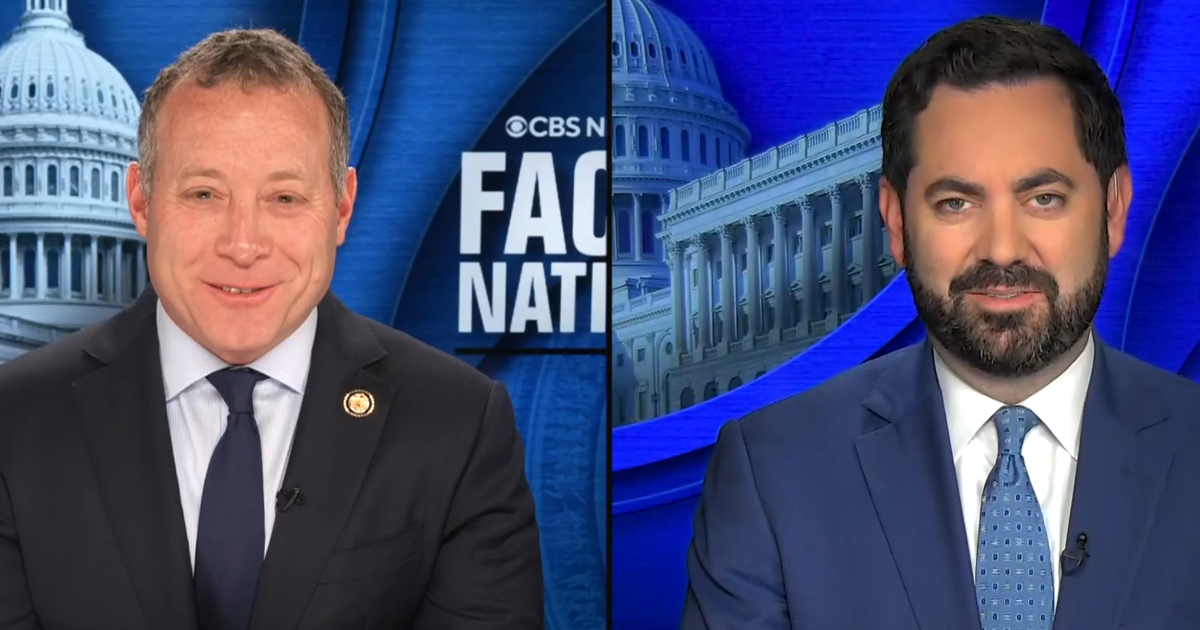
This is a transcript of a May 24, 2026 Face the Nation interview with Reps. Mike Lawler (R-NY) and Josh Gottheimer (D-NJ). Key points: Lawler urged waiting for full details of a reported U.S.-Iran memorandum of understanding, said the administration’s kinetic actions targeted Iran’s ballistic missile, drone and naval capabilities, and credited President Trump’s pressure (including a blockade of the Strait of Hormuz) for bringing Iran to negotiate; he emphasized the objective of preventing Iran from obtaining a nuclear weapon. Gottheimer said details remain unclear, welcomed the possibility of reopening the Strait of Hormuz and lower energy prices, but expressed concern that the reported deal may not sufficiently constrain Iran’s enriched uranium, missile and drone programs or its funding of proxy groups (Hamas, Hezbollah, Palestinian Islamic Jihad). Gottheimer said he is pushing a war powers resolution. Lawler addressed a reported provision limiting IRS audits of pre-2026 Trump family documents by defending the president’s actions and noting political context from the Biden administration. Both members discussed a bipartisan effort to address rising antisemitism in the U.S.: they cited statistics of increased incidents since October 7, criticized fringe public figures and candidates advancing antisemitic rhetoric, and discussed reintroducing the Anti-Semitism Awareness Act and a congressional resolution to condemn antisemitism and urge parties to police their own ranks. The interview emphasized bipartisan cooperation on antisemitism while showing partisan framing on foreign policy and accountability issues.
Biblical Reflection
From a Christian perspective, this interview surfaces two enduring duties: the pursuit of justice and the pursuit of peace (shalom). Scripture calls leaders to seek the protection of the innocent, to pursue honest accountability, and to shun language or policies that dehumanize opponents. The lawmakers’ stated goal of preventing nuclear proliferation and reducing threats to civilians aligns with the biblical concern for protecting life (e.g., defending the vulnerable). At the same time, some rhetoric in the interview — talk of “crushing” an enemy or quick partisan defenses of executive deals — risks normalizing military triumphalism or partisan exceptionalism. Christians should be wary of two temptations here: elevating short-term political gain over long-term justice and using fear of external threats to justify erosion of transparency or civil accountability. On antisemitism, the bipartisan condemnation is morally right and urgently needed; combating hate speech and violence is consistent with calling to love neighbor and protect minorities. The conversation also shows how political incentives shape public discourse: both parties may selectively highlight facts that serve electoral narratives (e.g., crediting a president for outcomes, focusing on economic benefits, or minimizing unresolved security risks). Christians should therefore press for truthful, verifiable reporting of deal terms, advocate for policies that protect civilians and religious minorities, and resist dehumanizing rhetoric even toward geopolitical adversaries. Practically, faithfulness here means praying for wisdom for leaders, standing with persecuted communities, and insisting that public policy reflect both justice and mercy.
Scripture in context
This outlook does not yet include contextual Scripture citations. Do not treat a general biblical theme as an exegetical conclusion.
Faithful Response
No prescribed response is offered. Consider the reflection prompts below in your own church context.
Reflection and Discussion
- 1What assumptions are being made about means (military pressure, blockades, negotiations) versus ends (nonproliferation, civilian safety), and do the reported or proposed measures realistically align with those stated goals?
- 2Where does partisan loyalty appear to shape the framing of facts in this interview, and how might that influence public willingness to demand transparency and accountability from leaders?
- 3How does Christian teaching about the dignity of every person and care for the vulnerable challenge both hawkish rhetoric that dehumanizes enemies and partisan rhetoric that excuses wrongdoing by allies?
Sources
Reporting links are evidence inputs; Sanctuary News' biblical reflection is commentary.
This outlook currently relies on fewer than two linked sources. Broaden verification before teaching from it.
- 1.Original reportprimary