News Summary
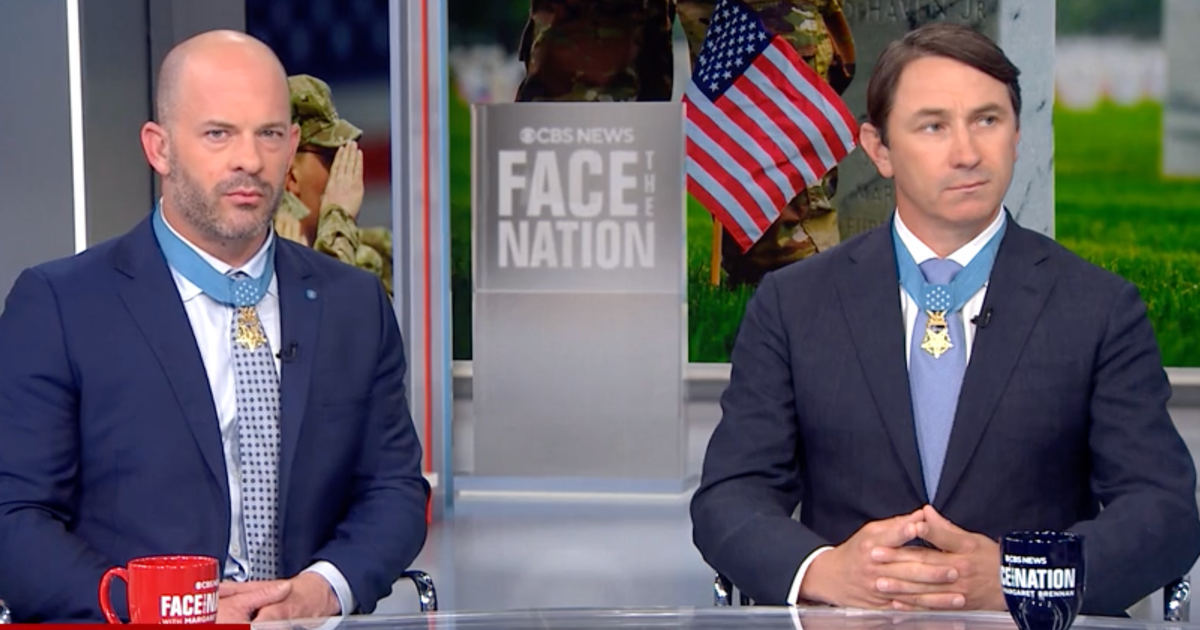
This transcript records a May 24, 2026 interview on CBS's Face the Nation in which host Margaret Brennan speaks with retired Lt. Col. William Swenson and retired Command Sgt. Maj. Matthew Williams, both Medal of Honor recipients for actions in Afghanistan. They describe what the Medal of Honor represents to them, emphasize that their actions reflected teamwork and service rather than personal glory, and note that many acts of battlefield valor go untold. The men discuss 9/11's impact on their generation's decision to serve, the declining percentage of Americans with military service, Memorial Day and remembrance of the fallen, and the need to tell veterans' stories. They address the U.S. experience in Afghanistan—distinguishing the duty of service members from political decision-making—and urge public conversations to learn from the conflict. They also express optimism about American civic life ahead of the country's 250th anniversary and mention efforts to support veterans and public education about service, including the National Medal of Honor Museum.
Biblical Reflection
From a biblical perspective the interview highlights several truths Christians should notice: the honor due to sacrificial service, the duty to remember and care for the vulnerable (widows, orphans, and those who suffer as a result of conflict), and the moral distinction between individual obedience in a role and the broader political choices that send people into harm's way. Swenson and Williams repeatedly separate the soldier's obligation to serve and protect from the political decisions that direct wars; that distinction aligns with Scripture's recognition of layered responsibilities (e.g., respecting governing authorities while holding leaders accountable). Their emphasis on humility, bearing witness for those who did not return, and encouraging civic gratitude models Christian virtues of honor, lament, and stewardship of memory.
At the same time, the piece carries a framing that privileges the perspective of decorated service members—which is appropriate for the guests—but can understate political, moral, and strategic complexities of long wars. The interview mainly centers valor, unity, and remembrance and gives less attention to questions of policy oversight, the experiences of Afghan civilians, or systemic veteran care gaps that require public accountability. A Christian response should therefore both honor sacrifice (justice and gratitude) and insist on truthful public reckoning where necessary (seeking wisdom, accountability, and care for the vulnerable). Ultimately the broadcast invites believers to practice biblical lament for loss, give thanks for sacrificial service, and pursue both justice and prudent civic discernment about how and why nations go to war.
Scripture in context
This outlook does not yet include contextual Scripture citations. Do not treat a general biblical theme as an exegetical conclusion.
Faithful Response
No prescribed response is offered. Consider the reflection prompts below in your own church context.
Reflection and Discussion
- 1How does honoring individual courage shape our willingness to ask hard questions about the political decisions that put people in harm's way?
- 2When media and public ceremonies emphasize valor, whose stories (including civilians and marginalized veterans) might be left out of the national memory?
- 3In what ways should Christians balance gratitude for military service with a prophetic call for wisdom, accountability, and care for those harmed by war?
Sources
Reporting links are evidence inputs; Sanctuary News' biblical reflection is commentary.
This outlook currently relies on fewer than two linked sources. Broaden verification before teaching from it.
- 1.Original reportprimary