News Summary
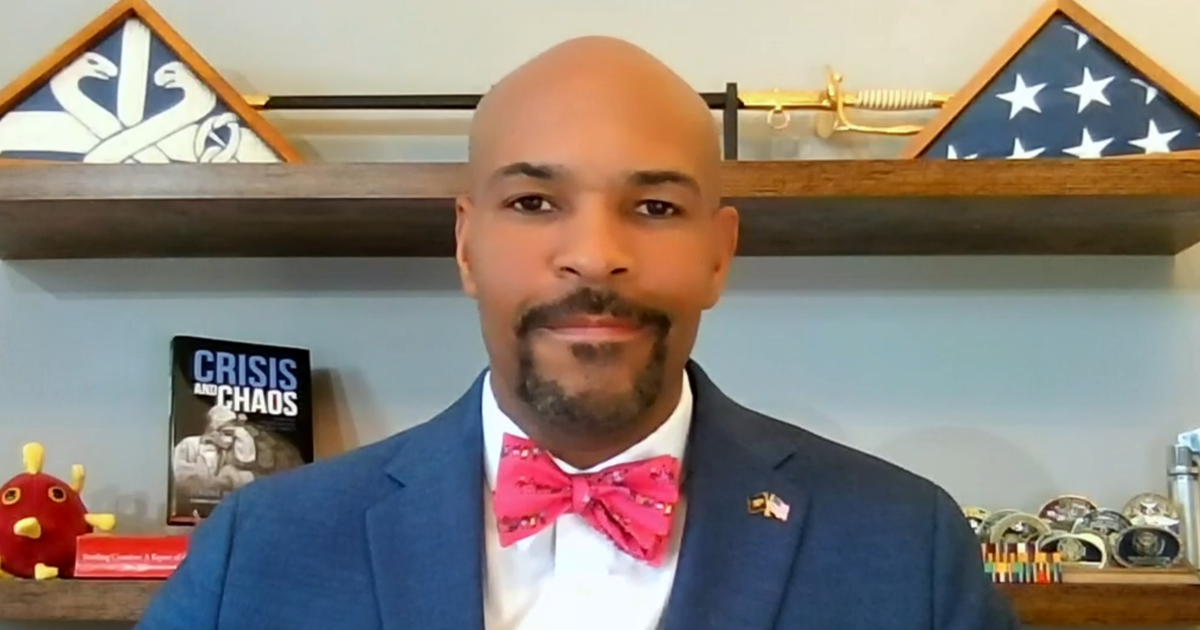
This is a transcript of a March 29, 2026 Face the Nation interview with former U.S. Surgeon General Dr. Jerome Adams. Adams said that 'mistrust' is the United States' most pressing health threat and cited polling and memos from Republican pollsters (including references to Fabrizio and Fabrizio Ward) about how vaccine-related messaging could affect voters. He noted more than 1,500 confirmed measles cases in the U.S. since January (per the CDC, as mentioned in the interview) and described an increase from roughly 250 cases in 2024 to about 2,000 the prior year. Adams argued that reductions in HHS staffing (he stated nearly 20,000 people cut from HHS) and cuts to public-health infrastructure have weakened outbreak control, and that falling childhood vaccination rates in several states (Utah, Colorado, Florida, Georgia, Kentucky, as cited) have contributed to larger outbreaks. Adams criticized the Trump administration's surgeon general nominee Dr. Casey Means for having an inactive medical license and for what he described as equivocation during her confirmation hearing, saying the nation needs a surgeon general who clearly affirms vaccines during an active measles outbreak. He referenced polling showing low public trust in Means and in health information from figures like Robert F. Kennedy Jr. The interview also covered concerns about social media's links to youth mental health problems; Adams cited Surgeon General Murthy's report, recent lawsuits against Meta, and policies like restricting social media for minors or limiting phones in schools/bedrooms. Adams said he agreed with Secretary Kennedy and others on measures to reduce children's overnight access to phones. The segment includes Adams' view that Means could advise the administration but should not serve as surgeon general without an active medical license.
Biblical Reflection
From a Christian perspective, the interview surfaces two central concerns: the moral importance of truth and the practical need to care for our neighbors. Adams frames 'mistrust' as a public-health danger — a claim that highlights how truth, credibility, and institutional competence affect people's physical wellbeing. Scripture repeatedly calls believers to love others and to steward the weak; public health efforts (vaccination, outbreak response, mental-health protections for children) are ways societies can bear one another's burdens (Galatians 6:2). At the same time, the interview shows how medical issues become entangled with partisan strategy, polling, and media narratives. That politicization can deepen distrust and make it harder for citizens to know whom to trust. Christians should be critically aware of these layers: verify factual claims (e.g., staffing numbers, case counts, and causation between cuts and outbreaks), notice when political aims shape health messaging, and resist both cynicism and unquestioning deference to any human institution. The biblical virtues most needed here are truthfulness, humility, and charity — insisting on accurate information and competent leadership while treating those who disagree with respect. Practically, the interview calls Christians to hold public figures accountable for competence and candor, to prioritize protecting vulnerable neighbors (especially children), and to pray and seek wisdom in discerning reliable sources amid polarized rhetoric.
Scripture in context
This outlook does not yet include contextual Scripture citations. Do not treat a general biblical theme as an exegetical conclusion.
Faithful Response
No prescribed response is offered. Consider the reflection prompts below in your own church context.
Reflection and Discussion
- 1Whose interests (public health, political advantage, or personal influence) might be shaping the way vaccine and health information are being presented in this interview?
- 2What evidence does the article rely on to link staffing cuts, falling vaccination rates, and measles spread — and what further verification would help you weigh those claims?
- 3How can Christians maintain both a commitment to scientific expertise and the call to love and protect vulnerable neighbors when public health becomes politicized?
Sources
Reporting links are evidence inputs; Sanctuary News' biblical reflection is commentary.
This outlook currently relies on fewer than two linked sources. Broaden verification before teaching from it.
- 1.Original reportprimary