News Summary
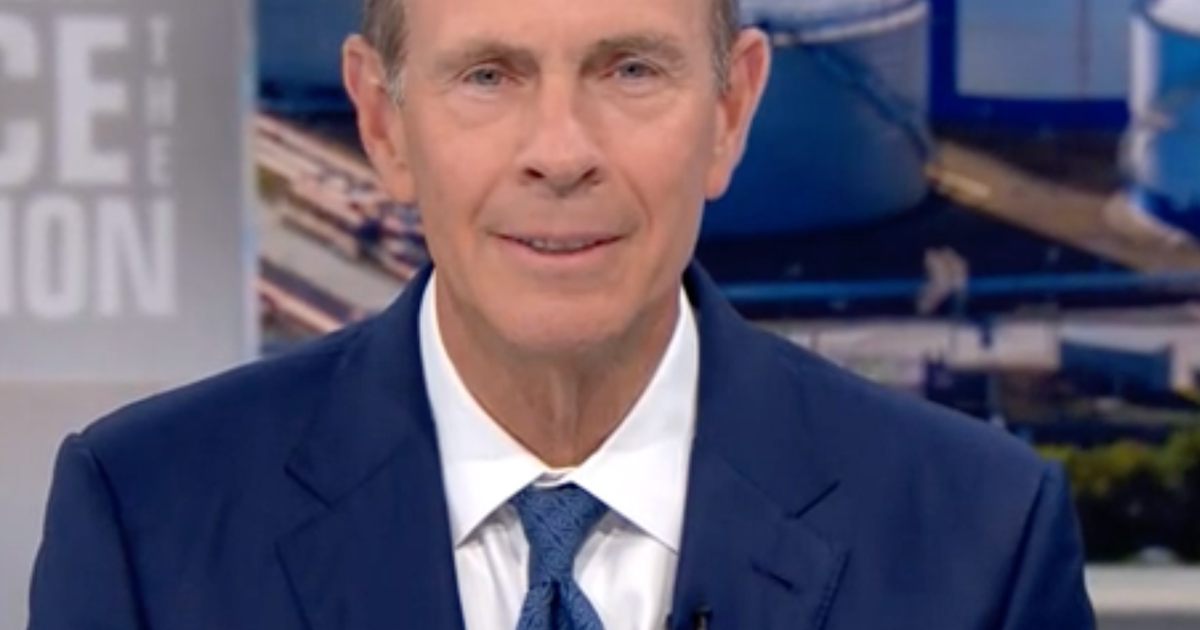
This is a transcript of a CBS "Face the Nation" interview (April 26, 2026) with Chevron chairman and CEO Mike Wirth. Wirth described the global energy system as having lost flexibility after recent disruptions that have drawn down inventories (onshore, at-sea, and strategic reserves). He said roughly 20% of global oil transits the Strait of Hormuz and that disruptions there — including mines, missile and drone attacks and other Iranian capabilities — have reduced flows and increased price volatility. Wirth said restoring safe flow through the Strait is the key near-term requirement to rebuild inventories and ease prices, but that even if the strait opened immediately, logistics, shipping and damaged infrastructure mean recovery would take time (weeks to years for some facilities). He listed risks to people, assets and the environment as central to Chevron’s decisions about moving ships, and said naval escorts and military coordination could be required. Wirth described damage to upstream, midstream and downstream facilities (including refineries and some LNG plants) and said repairs and equipment replacement can have long lead times.
On price and demand, Wirth said predicting prices is difficult and that shocks to supply and low inventories increase upside risk and volatility; consumers may reduce use or hoard supplies. He noted jet fuel shortages affecting airlines and that effects on fares and schedules could persist. He described U.S. government actions — Strategic Petroleum Reserve releases, Defense Production Act memos, and a Jones Act waiver — as helpful but not immediate fixes, and stressed that increasing production requires time, engineering, supply chains and permitting reform. Wirth said Chevron had record U.S. production in 2025 and plans further growth, but that new production has a lead time. On Venezuela, Wirth said Chevron continues operations, welcomed reforms to hydrocarbon law as progress, affirmed concern about security and workforce issues, and distanced the company from opinions of an unrelated former executive. He said Chevron seeks to operate within legal frameworks, protect employees and assets, and take a long-term view in countries where it works.
Biblical Reflection
What this interview shows: a company leader balancing operational realities, commercial interests, and public policy advocacy. Wirth repeatedly emphasizes physical constraints — chokepoints, depleted inventories, damaged infrastructure, and long lead times for production — which are factual and important for understanding short‑to‑medium term market behavior. At the same time, his remarks reflect a corporate perspective that naturally prioritizes restoring reliable fossil fuel flows and regulatory reforms that enable investment. That perspective is not wrong, but it is partial: it highlights supply-side remedies and durable infrastructure investment while giving less attention to demand‑side policy, climate-driven risks, or social costs that might shape public policy choices.
From a Christian/scriptural lens we should attend to several concerns. First, truthfulness and clarity: leaders should describe risks honestly without minimizing human costs or overstating certainty. Wirth is candid about uncertainty and about Chevron’s priorities (safety, assets, environment), which invites scrutiny: are corporate and government actions protecting vulnerable populations who suffer most from higher energy costs? Second, stewardship and justice: energy access and affordable transportation fuel are practical needs; at the same time, long-term stewardship of creation and care for future generations require attention to how energy systems are rebuilt. Third, prudence and the common good: appeals for permitting reform and investment in infrastructure are reasonable, but Christians should evaluate whether policy proposals advance the common good, protect the marginalized, and include environmental safeguards, rather than primarily serving short-term corporate returns.
Practical posture toward the reporting and claims: weigh operational facts (supply disruptions, repair timelines, shipping risk) while recognizing the speaker’s institutional interests. Expect legitimate policy options on the table — SPR releases, temporary regulatory relief, diplomatic and military measures, and longer-term permitting and investment changes — and test them by whether they pursue justice, protect people, and serve stewardship of resources, not only market stability and profit.
Scripture in context
This outlook does not yet include contextual Scripture citations. Do not treat a general biblical theme as an exegetical conclusion.
Faithful Response
No prescribed response is offered. Consider the reflection prompts below in your own church context.
Reflection and Discussion
- 1Whose interests shape the way this interview frames the crisis — suppliers, consumers, national security, or investors — and how does that influence which solutions are emphasized?
- 2Does the narrative prioritize restoring fossil fuel flows as the urgent public good without equally weighing long‑term stewardship of creation and the needs of the poor who are hit first by price shocks?
- 3What assumptions about time, risk, and political will underlie proposed fixes (permitting reform, increased production, military escorts), and how should Christians evaluate those assumptions against justice and prudence?
Sources
Reporting links are evidence inputs; Sanctuary News' biblical reflection is commentary.
This outlook currently relies on fewer than two linked sources. Broaden verification before teaching from it.
- 1.Original reportprimary