News Summary
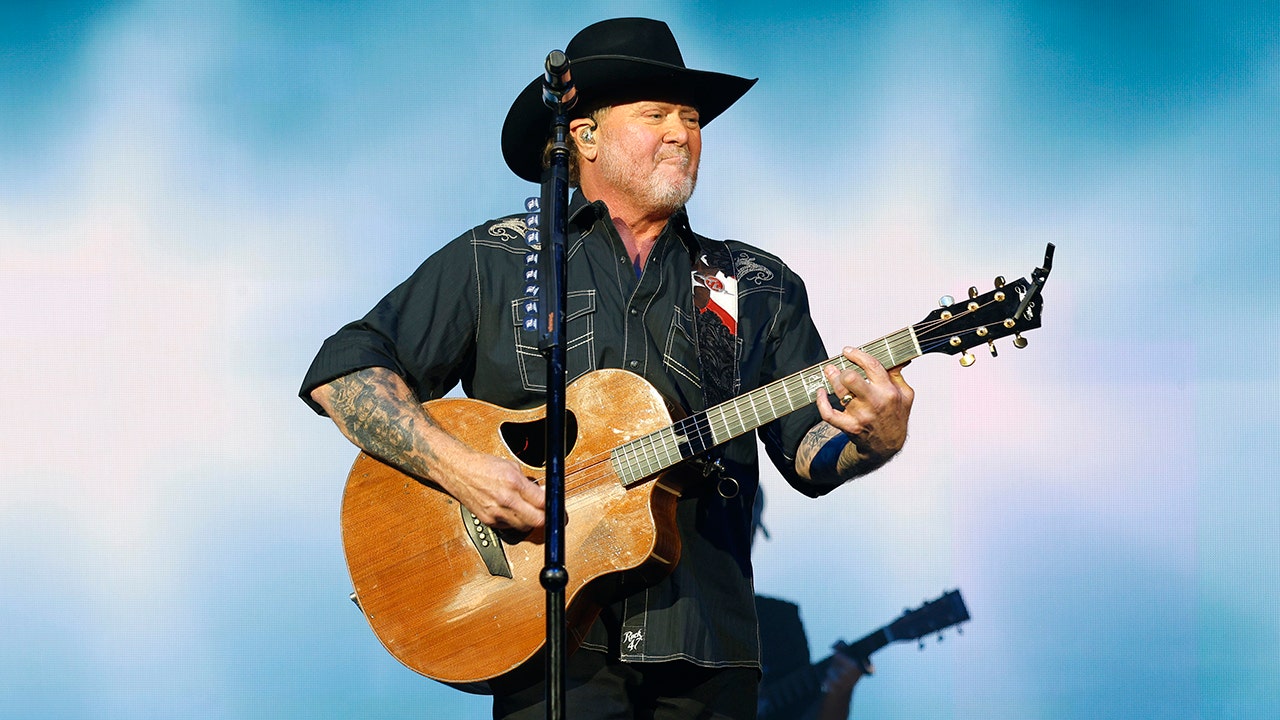
Country singer Tracy Lawrence told Morgan Evans on his "TL’s Road House" podcast that he wishes politics would be kept out of country music and that music should unite people regardless of race or background. He expressed concern about a divisive political climate and said he hopes for a return to a simpler, more inclusive atmosphere in which music connects people. The article notes Lawrence's decades-long career and traditional country roots, and cites his comment that music historically served as a place to connect without political identity. Lawrence also discussed personal trauma: he revisited a 30+ year-old incident in which he was shot four times during a mugging in Nashville, said he suppressed the trauma at the time, acknowledged that anger and unresolved trauma harmed his relationships and career, and emphasized the importance of mental health care. The piece references his 2026 No Alibis Tour (March–August) and an upcoming stop at Nashville's Ryman Auditorium.
Biblical Reflection
Lawrence’s plea to keep politics out of music expresses a common longing for cultural spaces where shared enjoyment transcends partisan identity. Biblically, this yearning for unity resonates with the call to pursue peace and love across differences (e.g., Romans 12:18; Ephesians 4). At the same time, Christians should recognize two tensions the article exposes: (1) unity versus truth — the Bible values loving unity, but it does not demand silence in the face of injustice or moral wrong; some political issues affect real human flourishing and require the church and artists to speak. (2) Individual healing versus public posture — Lawrence’s admission about trauma and a resulting “God complex” highlights how unresolved pain can distort witness and relationships. Theologically, honesty about brokenness and the pursuit of repentance, reconciliation, and healing are central to faithful living. The article itself is straightforward reporting of his remarks and life story; it leans into the human-interest angle (healing, survival, faith) rather than pushing a political agenda, though the framing — emphasizing a desire to remove politics from music — may reflect a preference for depoliticized public culture. Christians reading this should appreciate the pastoral impulse toward unity while also asking whether calls for neutrality simply maintain the status quo or sometimes obscure needed prophetic challenge. In short: affirm the good of music as a unifier and the need for mental-health and spiritual healing, while holding a balanced view that unity should not silence truth or justice.
Scripture in context
This outlook does not yet include contextual Scripture citations. Do not treat a general biblical theme as an exegetical conclusion.
Faithful Response
No prescribed response is offered. Consider the reflection prompts below in your own church context.
Reflection and Discussion
- 1When artists call for depoliticized shared spaces, does that primarily promote reconciliation, or can it also silence necessary conversations about injustice?
- 2How should Christians balance the biblical call to pursue unity with the obligation to speak truth and advocate for the vulnerable?
- 3Does unresolved personal trauma change how a public figure frames their views, and how should that affect how we weigh their cultural recommendations?
Sources
Reporting links are evidence inputs; Sanctuary News' biblical reflection is commentary.
This outlook currently relies on fewer than two linked sources. Broaden verification before teaching from it.
- 1.Original reportprimary