News Summary
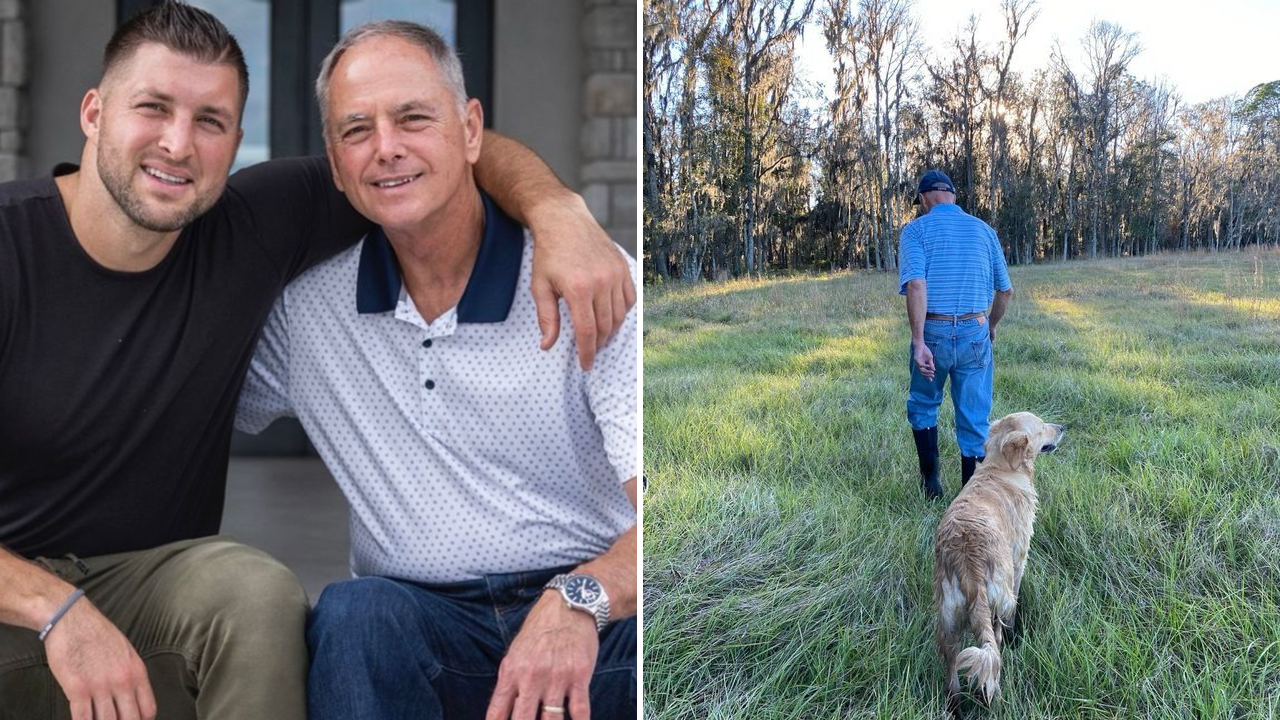
Former NFL quarterback Tim Tebow and his wife, Demi-Leigh, appeared on Fox & Friends to discuss how faith shaped their lives and their new books. Tim Tebow posted on LinkedIn that his father, Bob Tebow, died at age 78 after a long battle with Parkinson’s disease (diagnosed in 2016). In his post he described his father as a committed Christian, noted Bob Tebow’s ministry work including visits to orphanages in the Philippines and his role as a founding board member of the Tim Tebow Foundation, and quoted one of their final conversations in which his father said he looked forward to seeing “Jesus.” The Tim Tebow Foundation also posted a tribute describing Bob Tebow’s ministry legacy. The article reports that followers and commenters responded with condolences and reflections that echoed Tebow’s faith-based perspective on death.
Biblical Reflection
This article reports a personal bereavement framed through an evangelical Christian lens emphasizing assurance of eternal life for believers. That perspective is a central biblical promise and brings comfort to many: Scripture repeatedly affirms hope in Christ in the face of death. At the same time, readers should notice the article’s public and celebratory framing — it highlights the family’s assurance and the deceased’s public ministry, which naturally shapes how the story is told. The piece does not explore alternate beliefs or the experiences of those who grieve without religious hope, nor does it probe the pastoral realities of grief that can coexist with faith (such as anger, doubt, or prolonged sorrow). As Christians, we can affirm the hope expressed while also holding space for the full range of human grief and avoiding the reduction of a loved one’s death to merely an occasion for publicity. Finally, public testimonies like this can encourage faith and service, but they also call us to humility: celebrity testimonies are pastoral in influence but do not replace the local church’s ministry of care and pastoral counseling.
Scripture in context
This outlook does not yet include contextual Scripture citations. Do not treat a general biblical theme as an exegetical conclusion.
Faithful Response
No prescribed response is offered. Consider the reflection prompts below in your own church context.
Reflection and Discussion
- 1How does the article’s focus on assurance and public testimony shape readers’ understanding of grief — does it leave room for doubt and sorrow alongside hope?
- 2What assumptions about the afterlife and salvation are presented as fact rather than as beliefs held by a religious community, and how should a Christian reader distinguish between testimony and universal claim?
- 3In what ways might public sharing of private loss advance ministry and encouragement, and in what ways might it risk simplifying the complex pastoral needs of those who grieve?
Sources
Reporting links are evidence inputs; Sanctuary News' biblical reflection is commentary.
This outlook currently relies on fewer than two linked sources. Broaden verification before teaching from it.
- 1.Original reportprimary