News Summary
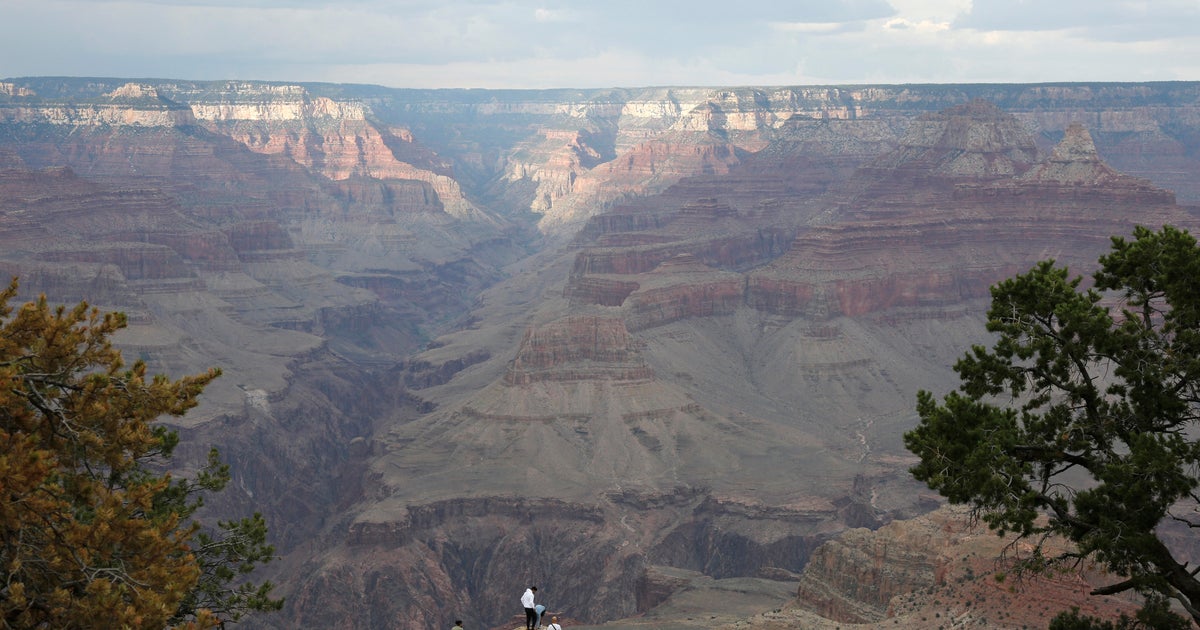
Park rangers and emergency personnel responded to two separate incidents in the Grand Canyon where three hikers were found dead on inner-canyon trails during a period of high temperatures. On June 12 a 72-year-old man was found dead on the South Kaibab Trail; on June 16 a 67-year-old man and a 68-year-old woman were found dead on the North Kaibab Trail. The National Park Service said inner-canyon midday temperatures can exceed 109°F in the shade. Emergency responders arrived to find the hikers already deceased. Their bodies were transported to the Coconino County Medical Examiner's Office and investigations into the exact causes of death are ongoing, though they appear heat-related. The report also notes recent similar fatalities earlier in the month and last year involving hikers who succumbed to apparent heat-related causes while attempting canyon hikes.
Biblical Reflection
The article is straightforward factual reporting about multiple fatalities linked to extreme heat in a high-risk outdoor environment. It highlights human vulnerability and the real physical limits of the body when exposed to sustained, severe heat—especially for older visitors. The coverage does not appear sensationalized, but it gives limited context about warnings, trail closures, or what safety information was available to these hikers; that missing context could leave readers uncertain whether this was primarily an avoidable risk, a failure of preparation, or a tragic misjudgment. From a Christian pastoral perspective, the story calls us to compassion for those who died and for grieving families, to humility about our bodily limits, and to practical neighbor-love: advocating for clear warnings, accessible safety information, and outreach that helps older or inexperienced visitors make safer choices. It also reminds the church that stewardship of the body and care for the vulnerable are spiritual responsibilities—pursued through both mercy and wise prevention. The piece aligns with objective facts reported by authorities but should prompt questions about prevention, public messaging, and how communities care for travelers and older adults in extreme conditions.
Scripture in context
This outlook does not yet include contextual Scripture citations. Do not treat a general biblical theme as an exegetical conclusion.
Faithful Response
No prescribed response is offered. Consider the reflection prompts below in your own church context.
Reflection and Discussion
- 1How might cultural narratives about rugged independence or 'conquering' nature lead people to underestimate real physical risks?
- 2What responsibility do public agencies, tour operators, and faith communities have to communicate and assist vulnerable visitors during extreme weather?
- 3When reporting on sudden deaths, are we giving enough context about prevention and systemic factors rather than leaving the audience with only tragic outcomes?
Sources
Reporting links are evidence inputs; Sanctuary News' biblical reflection is commentary.
This outlook currently relies on fewer than two linked sources. Broaden verification before teaching from it.
- 1.Original reportprimary