News Summary
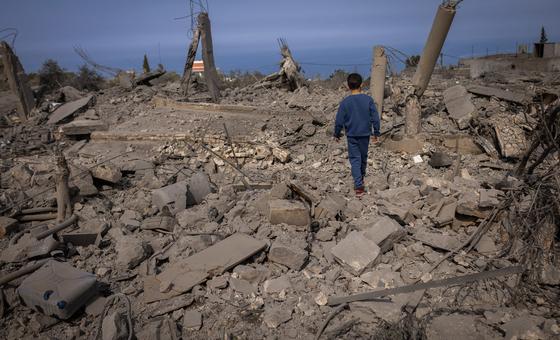
Reported facts: UN News states that months-long conflict in Lebanon has devastated communities and that thousands have been prevented from returning to homes in southern Lebanon; families reportedly lack shelter, healthcare and essential services. Attributed claims: the scale ('thousands') and conditions ('without shelter, healthcare and other essential services') are reported by the UN piece but are not accompanied by detailed breakdowns or source documentation in the supplied text. Uncertainties: the article does not specify exact numbers, dates, responsible actors or precise locations, nor does it present corroborating statistics or statements from local authorities or aid agencies in the supplied text.
Source and Framing Analysis
The supplied UN News item is a single short report with a humanitarian focus. Its framing emphasizes suffering and access to basic services but lacks granular data (exact counts, timelines, named sources). That absence limits the reader's ability to assess causation, duration, and which parties or conditions specifically prevent returns; it also increases the need for additional reporting before drawing strong policy conclusions.
Biblical Reflection
This report places a human face on the consequences of protracted conflict: people deprived of basic safety, shelter and care. From a Christian perspective, the immediate moral clarity is the call to compassionate response—seeing displaced neighbours as image-bearers in urgent need of protection, care and restoration.
At the same time, faithful discernment requires attention to what the report does and does not say. The article highlights an urgent humanitarian problem but provides few concrete details about numbers, causes, or which actors are responsible for preventing returns. Christians should hold together the twin commitments of truth and mercy: insist on accurate reporting and accountability while also responding quickly to relieve suffering.
Finally, the church’s response should be shaped by humility and peacemaking. We must avoid simplistic partisan narratives that dehumanize people on any side, and instead press for practices that protect civilians, restore services, and make durable peace more possible. Practical love—prayer, giving through trustworthy relief channels, hospitality to refugees, and advocacy for safe humanitarian access—faithfully enacts the gospel when news records human need.
Scripture in context
- 1Luke 10:25-37 (Parable of the Good Samaritan) — A lawyer asks Jesus how to inherit eternal life; Jesus tells the parable of a man beaten and left half-dead, who is helped not by expected religious authorities but by a Samaritan—challenging ethnic and religious boundaries around 'neighbour.' — The passage reframes neighbourliness as practical care for those in need regardless of identity. Applied here, it calls Christians to cross social, political and ethnic divides to provide aid, protection and compassion to displaced civilians.
Faithful Response
Pray regularly for displaced families, local caregivers, and those in positions to allow safe returns.
Give to trusted humanitarian organizations working on the ground (verify partners working in Lebanon) and local congregations assisting displaced people.
Support policies and advocacy that prioritize civilian protection, humanitarian corridors, and restoration of basic services.
Practice hospitality and welcome to recent arrivals in your community, offering practical help and connection to services.
Reflection and Discussion
- 1Who are the unseen neighbours in this situation, and how does calling them by name (not statistics) change our response?
- 2What information is missing that would help us respond justly and wisely, and how should that lack of detail shape our public statements and prayers?
- 3How can our desire for truth and justice be balanced with immediate acts of mercy toward displaced families?
Sources
Reporting links are evidence inputs; Sanctuary News' biblical reflection is commentary.
This outlook currently relies on fewer than two linked sources. Broaden verification before teaching from it.
- 1.Thousands prevented from returning home to southern Lebanonofficial_document