News Summary
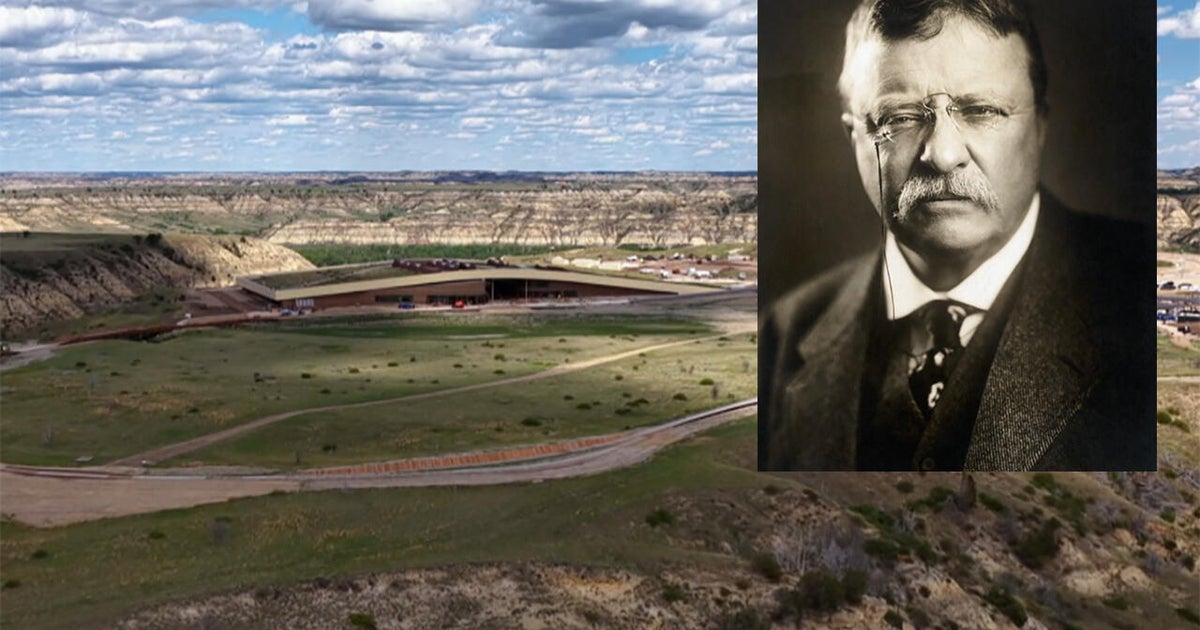
Theodore Roosevelt’s presidential library will open July 4, 2026, in Medora, North Dakota, adjacent to Theodore Roosevelt National Park. The 96,000-square-foot facility cost about $450 million and is designed by Craig Dykers with earth-compressed walls, a grass-covered sloping roof with walking paths, extensive natural lighting through skylights, and features intended to integrate with the surrounding landscape. The site includes replicas and historic elements such as Roosevelt’s Elkhorn Ranch cabin, a mile-long nature path, horse hitching posts, campfire programming, and an immersive experience using artificial intelligence described as the world’s first presidential archive in AI, including an avatar of Roosevelt for visitor interaction. The project’s leadership emphasizes both celebration of Roosevelt’s life and a willingness to confront difficult aspects of his legacy; organizers held a land blessing with five tribes and acquired a controversial 2022 statue removed from the American Museum of Natural History, saying it will eventually be contextualized though not at opening. The library’s leaders frame the institution as an experiential call to adventure rooted in Roosevelt’s transformation by the Dakota landscape and his personal tragedies, while acknowledging his racist statements about Indigenous peoples and emphasizing plans to include tribal voices in the project.
Biblical Reflection
This project reflects a mix of commemoration, education, tourism, and technology. The library’s aim to immerse visitors in Roosevelt’s life and the Badlands can help people understand how place and hardship shaped a public figure; that is a legitimate historical purpose. At the same time, many elements read like promotional framing—'call to adventure,' architectural spectacle, and marketing of novel AI encounters—that can risk romanticizing the frontier and a single 'great man' narrative. The article notes efforts to include Indigenous voices and a land blessing, but it also records a decision to delay fuller contextualization of a contested statue, which raises questions about whether marginalized perspectives will be given equal weight from the start. Christians should commend honest reckonings with moral failings in our heroes and welcome genuine repentance and repair; we should be wary when institutions prioritize spectacle or technological novelty over truthful, humble engagement with past harms. Stewardship questions also arise: a $450 million cultural project can bless a local economy and teach history, but it should also reflect prudence, care for neighbors (including Indigenous communities), and a commitment to truth rather than idolizing leadership or sanitizing injustice. The AI avatar raises ethical questions about authenticity and the shaping of memory—Christians should insist that teaching tools point toward truth, humility, and responsibility, not toward mythmaking or replacement of real human testimony.
Scripture in context
This outlook does not yet include contextual Scripture citations. Do not treat a general biblical theme as an exegetical conclusion.
Faithful Response
No prescribed response is offered. Consider the reflection prompts below in your own church context.
Reflection and Discussion
- 1Who has been centered in this project’s narrative and who remains waiting for fuller representation—especially Indigenous communities affected by the frontier story?
- 2Does the use of immersive technologies and curated spectacle deepen historical truth and repentance, or could it obscure complex moral failings behind entertainment?
- 3How should Christians weigh large cultural expenditures: do they serve the common good and neighbor-love, or primarily prestige and tourism?
Sources
Reporting links are evidence inputs; Sanctuary News' biblical reflection is commentary.
This outlook currently relies on fewer than two linked sources. Broaden verification before teaching from it.
- 1.Original reportprimary