News Summary
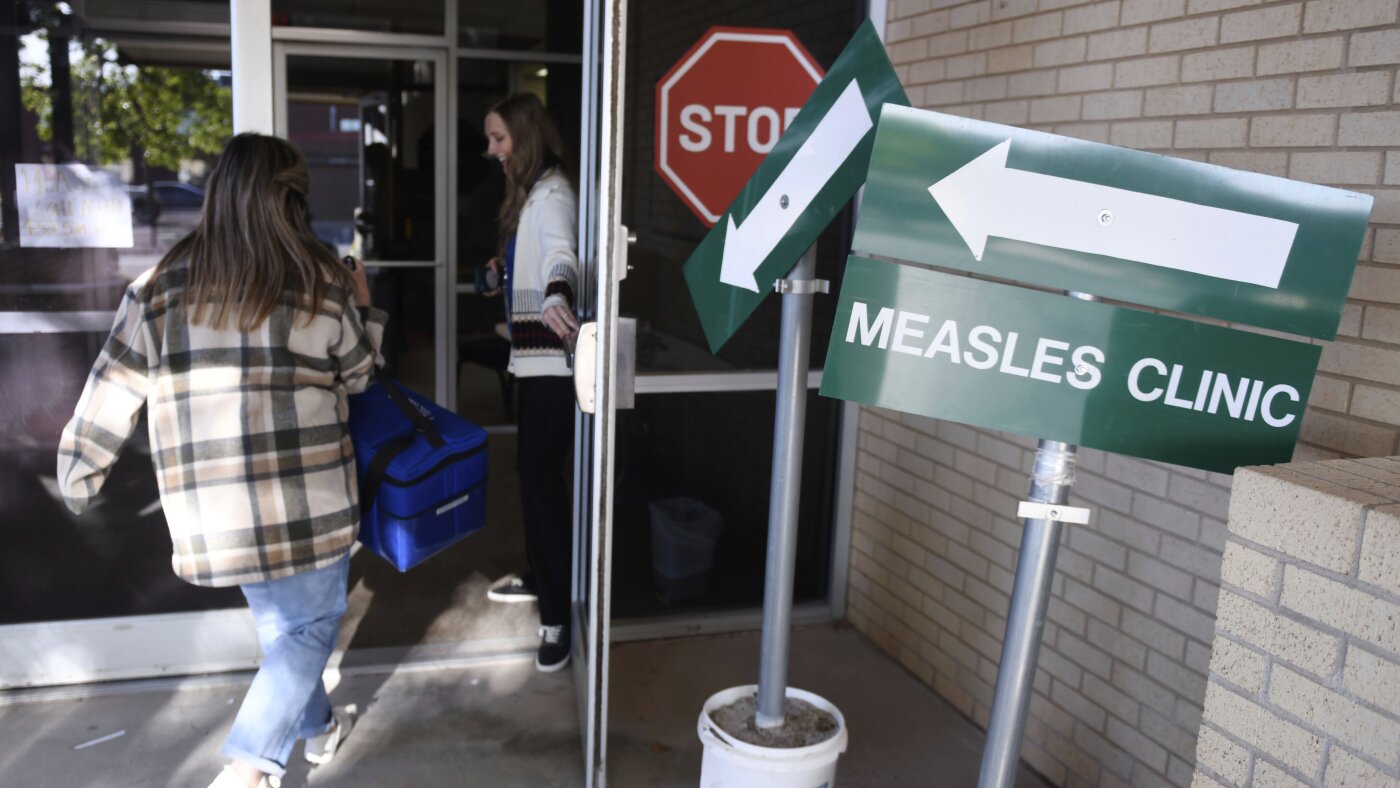
The article discusses the growing measles outbreak in South Carolina, which has now surpassed a previous outbreak in Texas, with 847 confirmed cases since October. The outbreak is spreading rapidly, primarily affecting unvaccinated children and teens, and has resulted in quarantines at schools and cases in other states. This surge is happening as the United States risks losing its 'measles elimination' status, a designation given by the Pan American Health Organization (PAHO) to countries that stop continuous transmission of the disease for over a year. Experts attribute the outbreaks to declining vaccination rates, fueled by misinformation and eroding trust in vaccines. The loss of elimination status is seen as a reflection of a weakened public health system and the consequences of neglecting preventive measures. The article highlights the high contagion of measles, the effectiveness of vaccines, and the importance of community immunization rates to prevent outbreaks.
Biblical Reflection
From a biblical perspective, this news story highlights the enduring tension between individual freedom and communal responsibility. Scripture teaches that caring for the vulnerable—especially children and the ill—is a moral imperative (James 1:27, Matthew 25:40). The refusal to vaccinate, largely due to misinformation or misplaced fears, not only endangers one's own children but also the wider community, including those who cannot be vaccinated for medical reasons. The rapid spread of measles and the strain on public health underscore the consequences of neglecting wisdom, prudence, and love for neighbor. Proverbs 14:16 says, 'The wise fear the Lord and shun evil, but a fool is hotheaded and yet feels secure.' In this context, wisdom includes heeding sound medical advice to protect others. While respecting freedom is important, true Christian freedom is never used as a pretext for harming others (Galatians 5:13). Instead, believers are called to use their freedom to serve one another in love. This situation calls for humility, discernment, and a renewed commitment to the common good, reminding us that our actions—motivated by faith, love, and truth—have real consequences for the 'least of these.'
Scripture in context
This outlook does not yet include contextual Scripture citations. Do not treat a general biblical theme as an exegetical conclusion.
Faithful Response
No prescribed response is offered. Consider the reflection prompts below in your own church context.
Reflection and Discussion
- 1How can I balance my desire for personal freedom with my responsibility to protect and care for others, especially the vulnerable?
- 2In what ways might fear or misinformation influence my decisions, and how can I seek wisdom and truth?
- 3What practical steps can I take to demonstrate love for my community in matters of health and safety?
Sources
Reporting links are evidence inputs; Sanctuary News' biblical reflection is commentary.
This outlook currently relies on fewer than two linked sources. Broaden verification before teaching from it.
- 1.Original reportprimary