News Summary
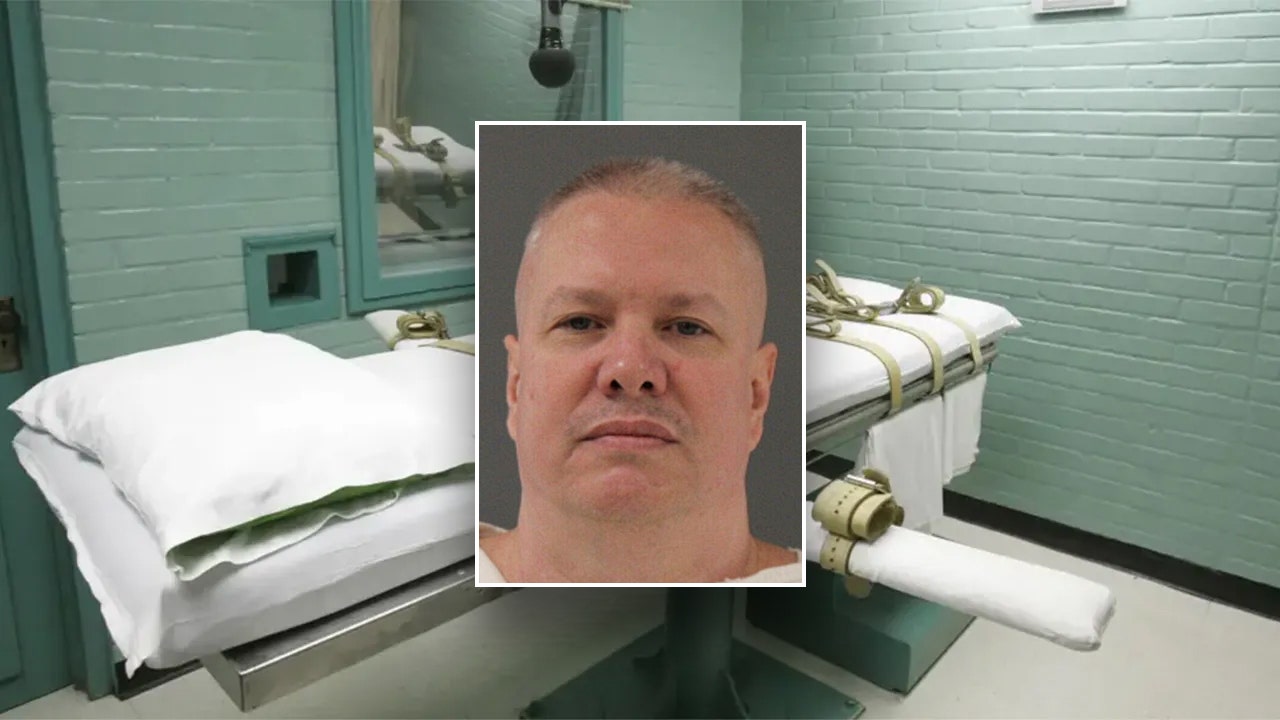
The article reports on the execution of Charles Victor Thompson, a Texas man convicted for the 1998 murders of his ex-girlfriend and her new boyfriend. Thompson, age 55, was put to death by lethal injection, making him the first person executed in the U.S. in 2026. Prior to his execution, Thompson expressed remorse, asked the victims' families for forgiveness, and encouraged them to keep Jesus in their lives. The families of the victims witnessed the execution, and some expressed their belief that justice had been served, though pain and anger remained. The article details Thompson's original conviction, his temporary escape from jail, and failed appeals for clemency, ending with his final words and the reactions of those involved.
Biblical Reflection
This story sits at the intersection of justice, mercy, and the deep wounds of human sin. Biblically, the sanctity of human life is paramount (Genesis 1:27), and murder is condemned (Exodus 20:13). The civil authorities are given the responsibility to uphold justice (Romans 13:1-4), yet the New Testament calls believers to forgive—even as God has forgiven us in Christ (Ephesians 4:32, Matthew 6:14-15). Thompson's last words—seeking forgiveness and urging others to keep Jesus first—reflect a glimmer of repentance. However, for the victims’ families, the pain and loss remain profound. The death penalty remains controversial among Christians: while some see it as a just consequence, others point to Christ’s call for mercy and the possibility of redemption even for the guilty. Ultimately, this event is a sobering reminder of the consequences of sin and the ongoing tension between justice and mercy. Healing for all involved requires both truth and grace. The biblical response is to grieve with those who mourn (Romans 12:15), to seek justice, and—where possible—to pursue forgiveness and reconciliation, even in the face of unimaginable hurt.
Scripture in context
This outlook does not yet include contextual Scripture citations. Do not treat a general biblical theme as an exegetical conclusion.
Faithful Response
No prescribed response is offered. Consider the reflection prompts below in your own church context.
Reflection and Discussion
- 1How do I respond when faced with the tension between justice and mercy in my own life or community?
- 2What does true forgiveness look like when the offense is severe or the wounds are deep?
- 3How can I pray for and support those who are grieving, even when justice seems to have been served?
Sources
Reporting links are evidence inputs; Sanctuary News' biblical reflection is commentary.
This outlook currently relies on fewer than two linked sources. Broaden verification before teaching from it.
- 1.Original reportprimary