News Summary
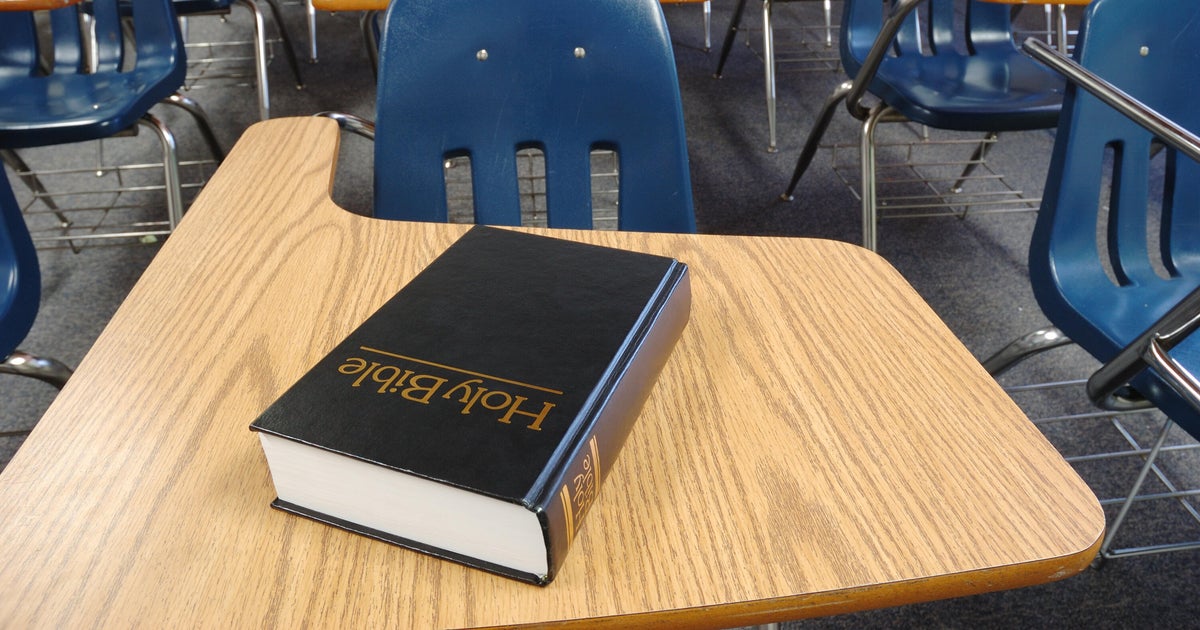
The Texas State Board of Education voted to adopt a mandatory statewide reading list that includes Bible stories alongside traditional literary works. The list — containing roughly 200 texts and excerpts — requires students across grade levels to read selected Bible passages (including New Testament passages and excerpts from Job) as part of required reading; the rollout will begin with elementary students in 2030. The mandate affects more than 5 million Texas public school students. The state law passed in 2023 required at least one literary work be taught in each grade, and the new list exceeds that minimum. Supporters argued that Judeo-Christian traditions are foundational to the nation and belong in public-school curricula. Critics — including education and free‑speech organizations and advocacy groups — say the list lacks diversity, leans ideologically conservative, blurs church–state separation, and limits local teacher and district discretion; some called the move unique among states. The board also considered a social studies curriculum tying Bible stories to American history and has previously approved policies allowing chaplains in schools, Ten Commandments displays, and an optional Bible-infused curriculum. Proponents and opponents gave testimony at the board meeting; debate over the list’s content and scope continues.
Biblical Reflection
This policy sits at the intersection of legitimate educational goals and constitutional religious concerns. On one hand, the Bible has undeniable literary, historical, and cultural influence that can be taught as part of civic and literary literacy. On the other hand, mandating specific religious texts for millions of public-school students risks appearing to endorse one faith tradition over others and can alienate students of different beliefs. Christians seeking faithful public witness should welcome opportunities for honest, contextual study of Scripture that highlight its moral and literary contributions — but resist measures that coerce religious instruction, erode local discretion, or send the message that public institutions favor one denomination or creed. The article reports the facts and quotes advocates on both sides; readers should note how selection and framing of texts shape the educational and civic effects. Practically, this calls for Christian engagement marked by humility (recognizing pluralism in public schools), courage (defending conscience and equal treatment for all students), and mercy (protecting minority students from feeling excluded). A constructive approach would be to support robust, academically grounded study of biblical texts while insisting on opt‑out protections, comparative religious literacy, and transparent criteria for why works are chosen.
Scripture in context
This outlook does not yet include contextual Scripture citations. Do not treat a general biblical theme as an exegetical conclusion.
Faithful Response
No prescribed response is offered. Consider the reflection prompts below in your own church context.
Reflection and Discussion
- 1Does requiring the Bible as mandated reading advance literary and historical education, or does it cross into government endorsement of religion?
- 2How might teachers present biblical texts so students learn about their literary and cultural significance without turning classroom time into devotional practice?
- 3Whose perspectives are excluded by this list, and what criteria should guide a publicly mandated reading list in a religiously diverse society?
Sources
Reporting links are evidence inputs; Sanctuary News' biblical reflection is commentary.
This outlook currently relies on fewer than two linked sources. Broaden verification before teaching from it.
- 1.Original reportprimary