News Summary
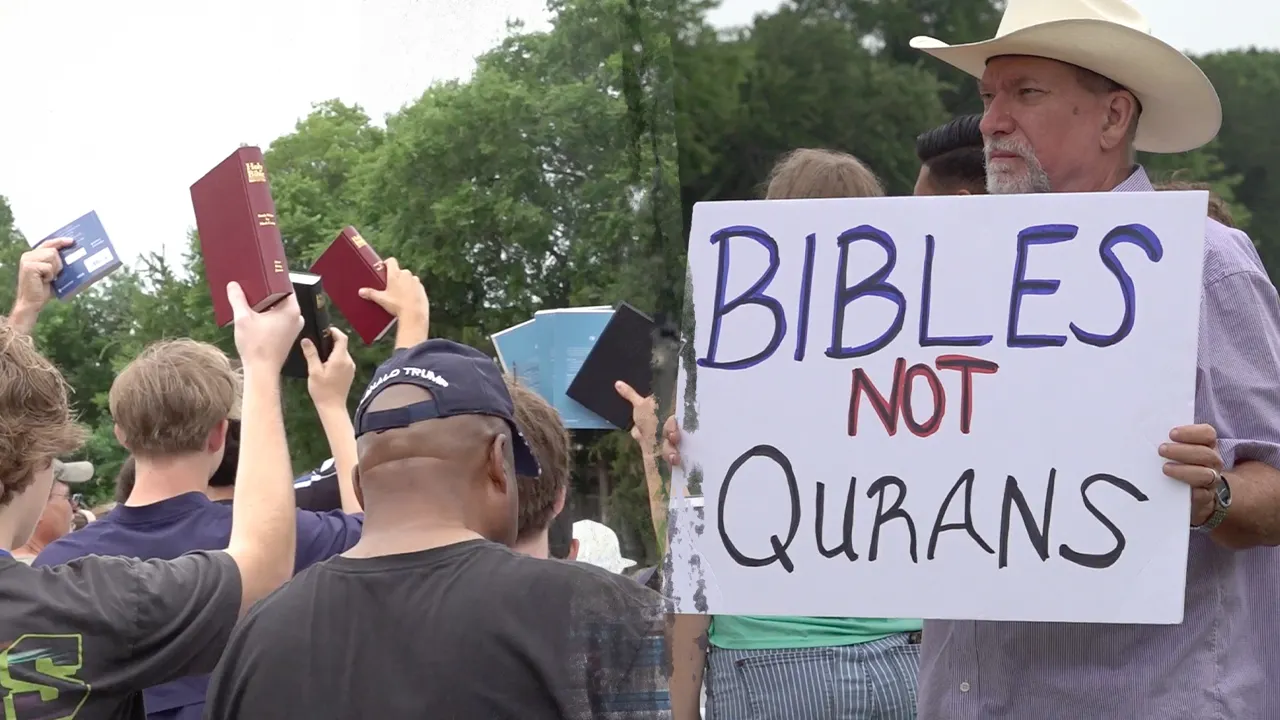
The Texas State Board of Education voted 9–5, with one abstention, to adopt a required statewide reading list that includes roughly 200 texts and passages from the New Testament; the list will apply to the state's more than 5 million public school students and take effect beginning in the 2030–31 school year for elementary students. Supporters argued the inclusion reflects Judeo‑Christian influences on American history; critics say the list privileges Christianity over other faiths and undermines religious diversity and teacher flexibility. The decision follows other recent Texas measures related to religion in schools — such as permitting school chaplains, requiring Ten Commandments displays, and approving an optional Bible‑infused curriculum — and the board was expected to consider a social studies curriculum that links Bible stories with American history. The move has prompted public debate and protests and may prompt legal and political challenges.
Biblical Reflection
From a Christian pastoral perspective, this policy invites careful moral discernment. Many Christians value the Bible's moral and literary significance and may welcome teaching that engages students thoughtfully with its texts. At the same time, public schools serve children of many convictions; imposing a single religious text as required reading risks appearing to establish a particular faith, which can harm religious liberty, marginalize minority students, and damage the church’s witness by aligning the gospel with partisan power. The article reports both supporters’ and critics’ views but highlights controversy; readers should note the underlying worldview tensions — between honoring religious heritage and protecting pluralism and conscience. Christian wisdom calls for humility, respect for the rule of law, and a posture of love toward neighbors who differ, while participating in civic processes to advocate for policies that balance truth-telling about our tradition with care for a religiously diverse public.
Scripture in context
This outlook does not yet include contextual Scripture citations. Do not treat a general biblical theme as an exegetical conclusion.
Faithful Response
No prescribed response is offered. Consider the reflection prompts below in your own church context.
Reflection and Discussion
- 1Does requiring specific Bible passages as mandatory reading in public schools respect the conscience rights of students from other faiths or none?
- 2How might teaching the Bible as literature or historical source differ from endorsing a particular religious belief in a public school setting?
- 3When Christians pursue influence in public institutions, are we prioritizing faithful witness or institutional advantage — and how would that affect our credibility?
Sources
Reporting links are evidence inputs; Sanctuary News' biblical reflection is commentary.
This outlook currently relies on fewer than two linked sources. Broaden verification before teaching from it.
- 1.Original reportprimary