News Summary
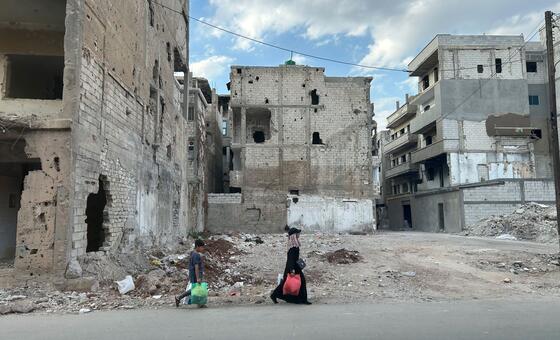
Reported facts: The UN News headline and lede state that Syria is at a crossroads and that hopes for renewal depend on rebuilding trust, lives, and livelihoods. Attributed claims: The article characterizes Syria as historically a meeting point of civilizations and presents rebuilding social trust and economic opportunity as central to renewal. Uncertainty: The supplied article text is brief and gives no data, timelines, actors, or concrete plans, leaving the scale, sources of funding, responsible parties, and specific needs unspecified.
Source and Framing Analysis
The supplied article is a short, framing piece rather than in-depth reporting. Its central framing—renewal depends on trust and livelihoods—is plausible and useful, but the lack of supporting details (who needs assistance, which regions, numbers of displaced, responsible authorities, funding sources) limits its ability to support policy or aid decisions. The emotional pull toward hope and renewal is present but not backed by granular evidence in the supplied text.
Biblical Reflection
This report names an important, sober reality: recovery after long conflict is not primarily a technical exercise of rebuilding buildings and roads but a moral and social work of restoring trust, community, and means of living. From a Christian perspective, that emphasis aligns with the biblical concern for both justice and mercy—repairing structures while caring for the vulnerable.
The article, as provided, is brief and high-level; it rightly points to the integrated nature of renewal (social, economic, civic). Christians should receive such reporting with both compassion and discernment: compassion for displaced and hurting neighbors, and discernment about what concrete policies, actors, and resources will actually enable restoration. We should be wary of overly optimistic language that treats “rebuilding” as a quick technical fix and also of despair that assumes reconciliation is impossible.
Practically, the Christian response foregrounds support for truth-telling, protection of the vulnerable, rebuilding institutions that serve the common good, and long-term accompaniment of communities—not only material reconstruction but also the slow work of mercy and reconciliation that makes renewed life durable.
Scripture in context
- 1Matthew 25:31-46 — In Matthew 25 Jesus speaks about final judgment, identifying himself with people in need—hungry, thirsty, strangers, sick, imprisoned—and commends acts of mercy as service to him. The passage addresses the ethical priority of caring for vulnerable neighbors in concrete ways. — This teaches Christians that rebuilding post-conflict societies must prioritize feeding, sheltering, and restoring dignity to people, not only infrastructure; tangible care for the vulnerable is integral to faithful renewal.
- 2Isaiah 58 — Isaiah critiques empty ritual and calls instead for acts of justice—releasing the oppressed, sharing bread, and providing for the needy—as true fasting pleasing to God. — Applied here, it calls leaders and communities to pair spiritual and rhetorical renewal with policies and actions that relieve suffering and rebuild livelihoods, making renewal justice-driven.
Faithful Response
Pray consistently for Syrian communities, leaders, and aid workers, asking for wisdom and protection.
Support reputable humanitarian organizations that provide long-term livelihood programs and protection for displaced people.
Advocate for policies and donor priorities that fund community reconciliation, job-creation, and protection of civilians—not only headline infrastructure projects.
Listen to and amplify Syrian voices (refugees, internally displaced, local faith leaders) so recovery efforts reflect local needs and agency.
Reflection and Discussion
- 1Does the word 'renewal' in this article refer more to physical reconstruction or to relational and institutional healing—and how should that affect our priorities?
- 2In what ways might short media framings obscure the long-term, patient work of reconciliation that precedes lasting peace?
- 3How can Christian communities partner with local Syrians to support livelihoods and dignity rather than impose external solutions?
Sources
Reporting links are evidence inputs; Sanctuary News' biblical reflection is commentary.
This outlook currently relies on fewer than two linked sources. Broaden verification before teaching from it.
- 1.Syria’s hopes for renewal hinge on rebuilding trust, lives and livelihoodsofficial_document