News Summary
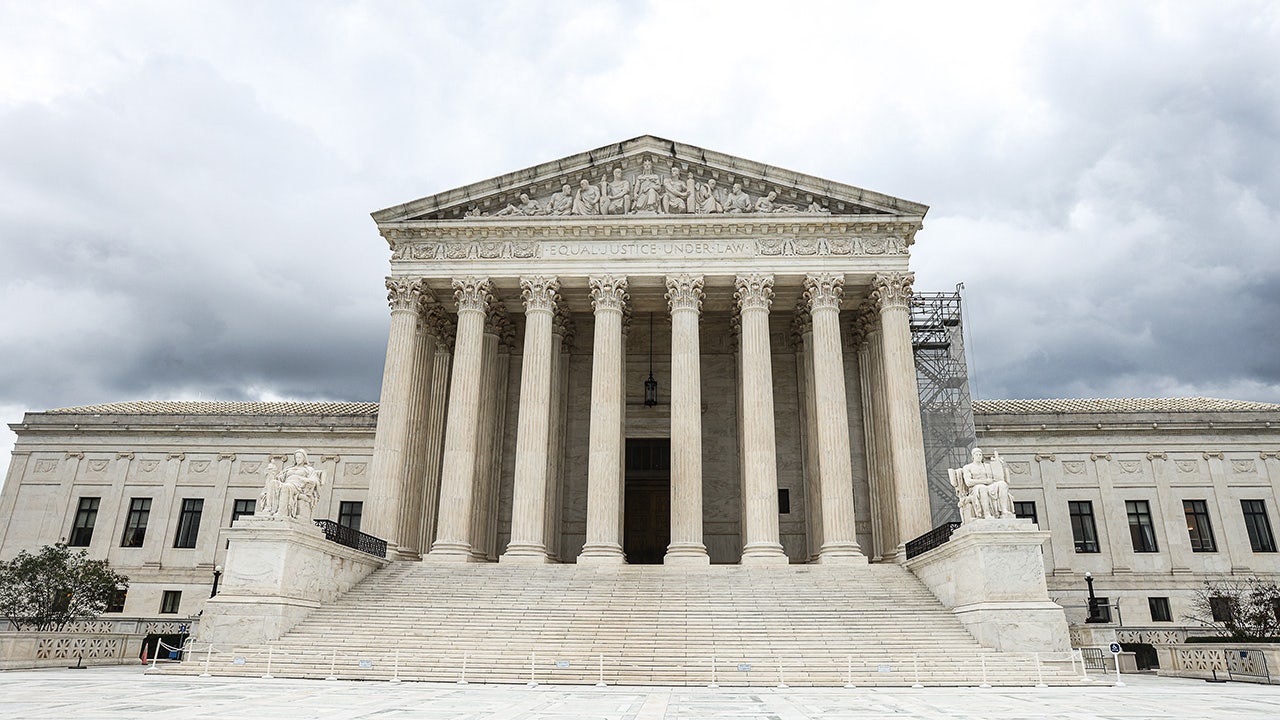
The U.S. Supreme Court agreed to hear St. Mary Catholic Parish v. Roy, a challenge from the Archdiocese of Denver after Colorado excluded its Catholic preschools from the state's Universal Preschool Program. The Archdiocese says its 34 preschools are part of the church's ministry and maintain religious admissions and conduct standards; families and staff must affirm support for Catholic teachings, including on sex and gender. Colorado says the program is meant to be inclusive and that participating providers—religious or secular—must allow equal enrollment and services regardless of families' religious affiliation, sexual orientation, gender identity, race, housing status, income, or disability. A lower appeals court previously upheld Colorado's application of equal-opportunity requirements. The Supreme Court will consider in oral arguments expected this fall whether a state may condition participation in a state-funded program on compliance with nondiscrimination rules that conflict with a religious institution's core tenets.
Biblical Reflection
This case sits at the intersection of two legitimate public goods: the state's interest in ensuring nondiscriminatory access to publicly funded services for children, and religious institutions' interest in practicing their faith and preserving the integrity of ministry. A Christian response should recognize both concerns. Scripture calls believers to love neighbors and defend the vulnerable (e.g., care for children and the marginalized), but it also affirms the duty to obey God and maintain the church's witness when civil requirements conflict with core religious convictions (Acts 5:29). The article presents the competing positions plainly but comes from a news outlet that often highlights religious-liberty claims; readers should note that framing can emphasize either freedom or inclusion depending on editorial focus. Objectively, the central legal question is whether participation in a public benefit can be conditioned on surrendering religiously grounded membership or conduct requirements. If the Court sides with the state, many religiously affiliated providers could be required to alter admissions or personnel policies to receive public funds; if the Court sides with the parish, states might face limits on enforcing certain nondiscrimination conditions against faith-based providers. From a biblical worldview, Christians should press for solutions that protect both the dignity and access of children and the conscience rights of religious organizations—seeking policy options that expand opportunities for children while allowing faith communities to retain their religious identity and ministry standards where feasible.
Scripture in context
This outlook does not yet include contextual Scripture citations. Do not treat a general biblical theme as an exegetical conclusion.
Faithful Response
No prescribed response is offered. Consider the reflection prompts below in your own church context.
Reflection and Discussion
- 1Which value is the story prioritizing—religious conscience or universal access—and how does that emphasis shape public perception of the issue?
- 2If faith-based providers accept public funds, what reasonable boundaries should exist so they can both serve the public and maintain their religious identity?
- 3Am I noticing any editorial slant in how the parties are portrayed, and how should that affect my assessment of the underlying facts and moral questions?
Sources
Reporting links are evidence inputs; Sanctuary News' biblical reflection is commentary.
This outlook currently relies on fewer than two linked sources. Broaden verification before teaching from it.
- 1.Original reportprimary