News Summary
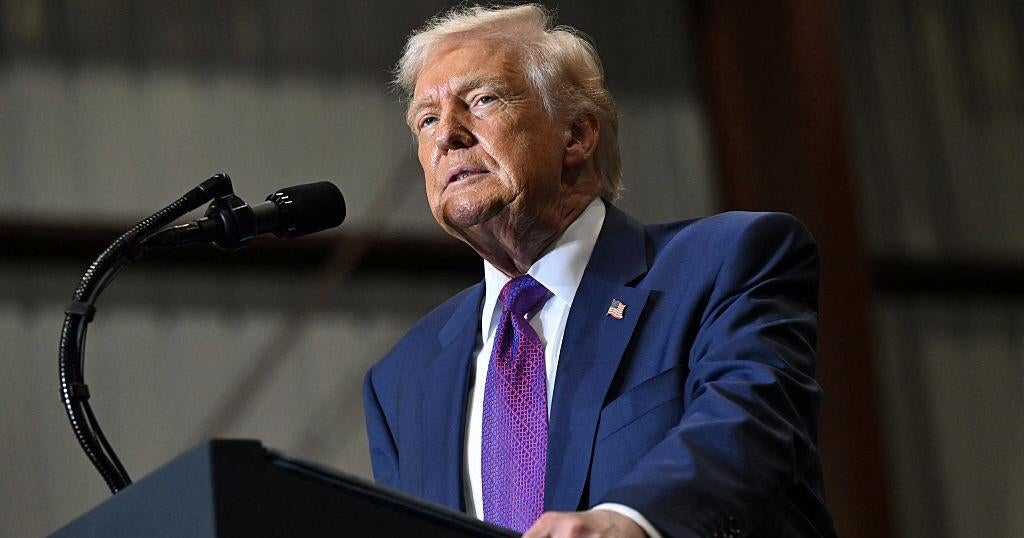
The Supreme Court has ruled, in a 6-3 decision, that President Trump did not have the unilateral authority under the International Emergency Economic Powers Act (IEEPA) to impose sweeping tariffs on nearly every country. Chief Justice John Roberts, writing for the majority, stated that IEEPA does not mention tariffs or duties and that no president has previously interpreted the act to authorize such powers. The decision upholds a lower court ruling and is regarded as a major setback to one of Trump's key economic policies in his second term. The ruling does not address the issue of refunding businesses that have paid the tariffs. Dissenting justices argued that tariffs are a traditional tool of import regulation. This case is significant as it limits presidential powers under IEEPA, though it does not prevent the president from using other laws to impose tariffs. Trump's administration had used the tariffs to negotiate trade deals and claimed these actions benefited national security and the economy, though analyses showed the economic burden fell mostly on U.S. businesses and consumers. Many companies and states had sued over the tariffs, seeking refunds. The case highlights constitutional checks and balances, the limits of executive power, and the economic impact of trade policies.
Biblical Reflection
Scripture calls for leaders to act justly, with humility, and within the bounds of lawful authority (Micah 6:8; Romans 13:1-2). The Supreme Court’s decision serves as a reminder of the importance of checks and balances in government, echoing biblical warnings against unchecked power (Deuteronomy 17:18-20). While leaders may pursue policies with the intention of protecting the nation, the means—especially when they bypass lawful processes—matter deeply in God’s eyes. The economic fallout on small businesses and consumers reminds us of God’s concern for justice, fairness, and the vulnerable (Amos 5:11-15, Proverbs 29:4). Christians are called to seek justice, pray for their leaders, and advocate for policies that do not place undue burdens on the least among us. The story also highlights the need for humility in leadership and for citizens to hold their leaders accountable to the law and the public good.
Scripture in context
This outlook does not yet include contextual Scripture citations. Do not treat a general biblical theme as an exegetical conclusion.
Faithful Response
No prescribed response is offered. Consider the reflection prompts below in your own church context.
Reflection and Discussion
- 1How can we encourage our leaders to act with justice and humility, even when pursuing policies they believe are for the nation’s good?
- 2In what ways might unchecked power—political or personal—lead to injustice or harm to others?
- 3How can you advocate for fairness and protection for those most affected by economic policies in your community?
Sources
Reporting links are evidence inputs; Sanctuary News' biblical reflection is commentary.
This outlook currently relies on fewer than two linked sources. Broaden verification before teaching from it.
- 1.Original reportprimary