News Summary
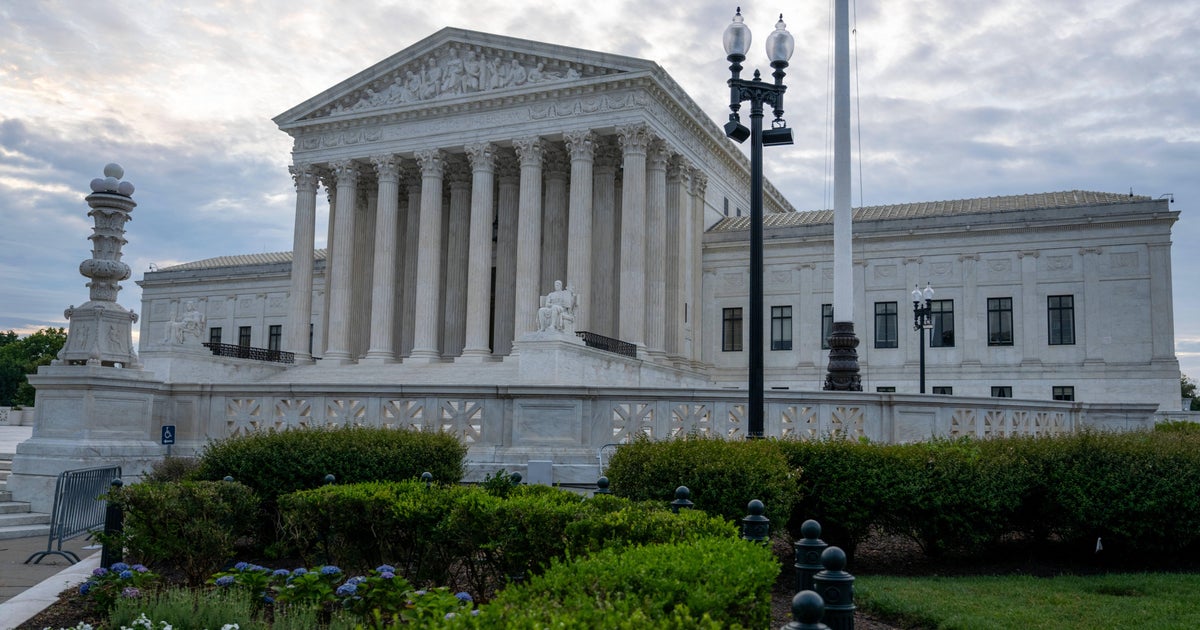
In a 6–3 decision in Wolford v. Lopez, the U.S. Supreme Court struck down a Hawaii law that required concealed-carry permit holders to obtain permission before bringing firearms onto private property that is open to the public (places such as gas stations, restaurants, and shops). The Court held that the restriction violates the Second Amendment, applying the post-2022 framework that assesses whether a gun regulation is supported by the nation’s historical tradition of firearms regulation. The ruling does not affect other firearm limits in Hawaii — including rules for bars, beaches, parks, schools, government buildings, and other sensitive locations that were not before the Court. Hawaii’s “vampire rule” had made unauthorized public carry by permit-holders a misdemeanor punishable by up to one year in prison. The case began with a 2023 challenge by three Maui County residents and the Hawaii Firearms Coalition; a federal district court found for the challengers, the 9th Circuit upheld the state law on appeal, and the Supreme Court reversed. The Trump administration filed a brief supporting the gun owners; the decision follows prior high-court rulings recognizing a constitutional right to carry outside the home and applying a historical-tradition test to modern gun laws.
Biblical Reflection
This ruling highlights a recurring legal and moral tension: the protection of individual constitutional rights and the communal obligation to reduce violence and safeguard the vulnerable. The article reports the legal outcome straightforwardly and situates it in the Court’s evolving Second Amendment jurisprudence; its use of the nickname “vampire rule” signals a critical framing but the facts are presented directly. Christians should note two realities: first, courts interpret rights according to legal tests and historical precedent, which can expand or restrict practical regulations; second, legal victory does not settle the deeper social questions about safety, fear, and neighborly care. The underlying worldview driving coverage and legal arguments emphasizes individual liberty and constitutional limits on government regulation. That perspective is legitimate but partial: a healthy Christian civic posture balances respect for lawful rights with responsibility for the common good. We must be careful not to reduce public life to abstract rights alone, nor to assume state rules are the sole answer to violence. Loving our neighbors requires wise public policy, personal restraint, community investment, and practical efforts to prevent harm without demonizing those with opposing views.
Scripture in context
This outlook does not yet include contextual Scripture citations. Do not treat a general biblical theme as an exegetical conclusion.
Faithful Response
No prescribed response is offered. Consider the reflection prompts below in your own church context.
Reflection and Discussion
- 1Which people and communities are most directly affected by this decision, and how should Christians weigh individual rights against community safety in public spaces?
- 2What assumptions about liberty, fear, and trust underlie legal arguments for broader public carry, and how might those assumptions shape civic life beyond the courtroom?
- 3How can local churches and Christian communities work practically to reduce violence and build neighbor-trust regardless of changing legal rules?
Sources
Reporting links are evidence inputs; Sanctuary News' biblical reflection is commentary.
This outlook currently relies on fewer than two linked sources. Broaden verification before teaching from it.
- 1.Original reportprimary