News Summary
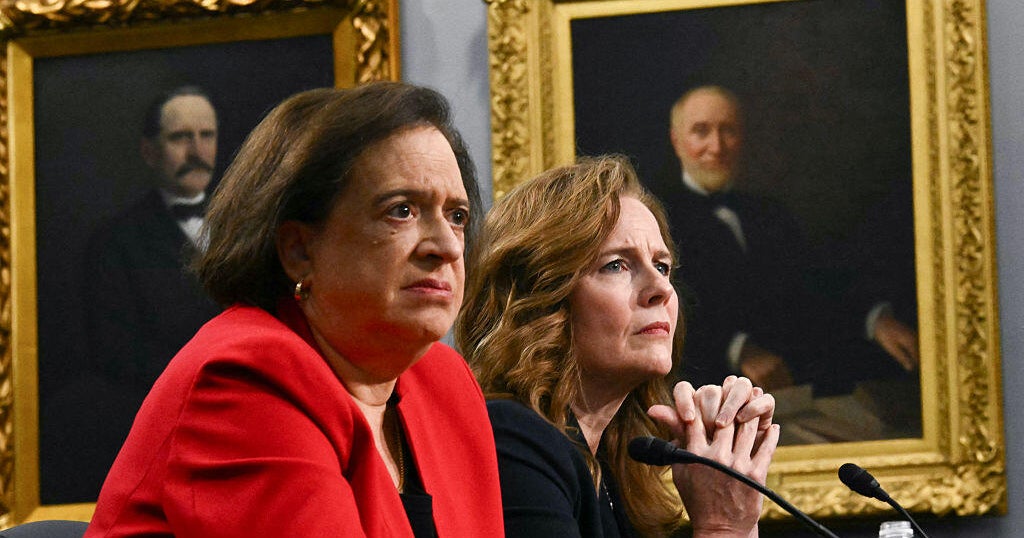
Justices Elena Kagan and Amy Coney Barrett testified before a House subcommittee seeking increased funding for the Supreme Court's next fiscal year budget, which requests more than $228 million — an increase of over $20 million. The court is asking for an additional $14.6 million to expand protective details (allowing up to six more Supreme Court Police agents per justice), funds for travel security when justices are outside the Washington, D.C., area, $6.5 million for an off-site visitor screening facility, and about $2.3 million for cybersecurity. Kagan said recent budget increases have been almost entirely for security since the Supreme Court Police assumed residential protection from the U.S. Marshals Service and warned that threats have come close for some members. The Supreme Court Police anticipates a 38% increase in threats for 2026; the U.S. Marshals Service reported a 57% rise in security incidents of significant concern for federal judges in fiscal 2025, and 370 threats to judges had been recorded as of July 1 in the current fiscal year. Testimony referenced specific incidents since 2022, including home protests after the draft Dobbs opinion leak, an attempted murder/kidnap plot against justices in 2022 that led to a conviction, swatting and harassment incidents, and abusive deliveries intended to intimidate. Lawmakers from both parties expressed willingness to fund enhanced security. During the hearing, justices also answered questions on the court’s 2023 code of conduct, its handling of emergency (“shadow docket”) requests, and recent efforts to provide more information and oral argument in certain emergency matters.
Biblical Reflection
From a Christian perspective, the article describes a legitimate and sober concern: members of the judiciary are receiving credible and escalating threats that risk lives and the functioning of an essential institution. The request for concrete protective resources is primarily about safety and the rule of law, not policy preferences. At the same time, the story sits inside a broader cultural and political context where heated rhetoric, polarized media coverage, and social-media amplification can fuel intimidation and dehumanization. Christians should be attentive to both truths: officials who adjudicate must be protected so justice can be done, and citizens must guard their speech and actions so they do not become instruments of fear or violence. The reporting is largely factual and focused on numbers, budget items, and specific incidents; readers should note areas where political implications could be emphasized differently by other outlets (for example, highlighting particular cases or actors). Pastoral wisdom calls for supporting measured safeguards, resisting any impulse to applaud intimidation of adversaries, and advocating for civic discourse that honors human dignity while holding leaders accountable. Protecting those who serve public justice honors the common good, and faithful citizens must also examine how their words and political posture may contribute to a climate that endangers neighbors.
Scripture in context
This outlook does not yet include contextual Scripture citations. Do not treat a general biblical theme as an exegetical conclusion.
Faithful Response
No prescribed response is offered. Consider the reflection prompts below in your own church context.
Reflection and Discussion
- 1How does urgent security need change the balance between judicial accessibility, transparency, and the justices’ personal safety?
- 2In what ways might polarized public rhetoric or media framing contribute to threats, and how should Christians model restraint and neighbor-love in civic speech?
- 3When protecting institutions, how do we hold together a commitment to safety, accountability, and preserving civil liberties?
Sources
Reporting links are evidence inputs; Sanctuary News' biblical reflection is commentary.
This outlook currently relies on fewer than two linked sources. Broaden verification before teaching from it.
- 1.Original reportprimary