News Summary
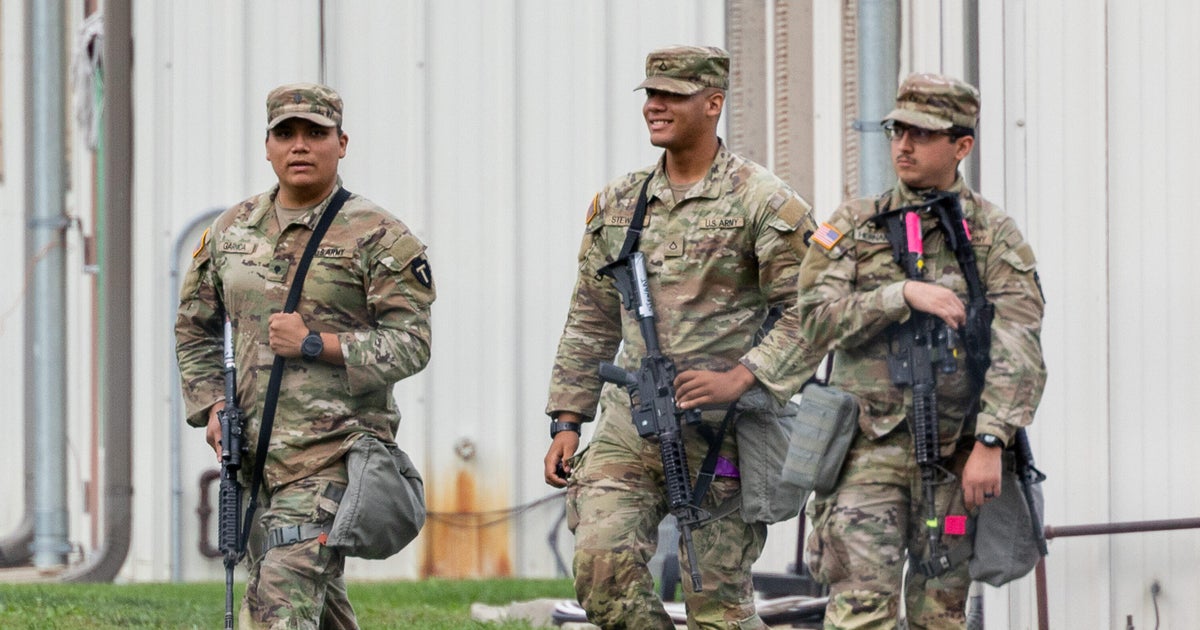
The Supreme Court rejected the Trump administration's request to deploy National Guard troops to Chicago while a legal dispute over the move continues. President Trump had attempted to use Title 10, a federal law, to bring the Illinois National Guard under federal control to enforce immigration laws and protect federal property, arguing that local authorities weren't able to maintain order. Illinois Governor JB Pritzker opposed the move, claiming it was unnecessary and would escalate tensions. Lower courts sided with Illinois, finding insufficient evidence of a need for military intervention, and questioning the reliability of federal reports about local unrest. The Supreme Court, by a 6-3 vote, upheld this stance for now, ruling that the administration hadn't shown the necessary legal grounds to federalize the Guard under these circumstances. The decision highlights ongoing tension between federal and state authority and has sparked legal debates in other states where similar deployments have been attempted.
Biblical Reflection
This news story raises important questions about authority, the use of force, and the nature of justice—matters that are deeply addressed in Scripture. The Bible consistently warns against the abuse of power and calls leaders to exercise wisdom, humility, and justice (Micah 6:8; Proverbs 29:4). The attempt to deploy military force in response to civil unrest or political opposition, rather than as a last resort in cases of true rebellion or lawlessness, should be scrutinized for its motives and potential consequences. Scripture teaches that government authority is established by God for the purpose of restraining evil and promoting good (Romans 13:1-4), but it also places limits on that authority—particularly when it risks infringing on peace, justice, and the dignity of individuals. The courts' insistence on evidence, proper process, and the preservation of civil authority over military intervention aligns with the biblical principle that justice must be impartial and grounded in truth (Deuteronomy 16:19-20). Christians are called to seek peace and reconciliation, to pray for those in authority, and to advocate for actions that build up rather than escalate conflict.
Scripture in context
This outlook does not yet include contextual Scripture citations. Do not treat a general biblical theme as an exegetical conclusion.
Faithful Response
No prescribed response is offered. Consider the reflection prompts below in your own church context.
Reflection and Discussion
- 1How do we discern when the use of force is just and necessary, and when it risks becoming an abuse of power?
- 2In what ways can Christians advocate for peace and justice in times of social and political tension?
- 3How can you pray for wisdom and humility for those in authority, even when you disagree with their decisions?
Sources
Reporting links are evidence inputs; Sanctuary News' biblical reflection is commentary.
This outlook currently relies on fewer than two linked sources. Broaden verification before teaching from it.
- 1.Original reportprimary