News Summary
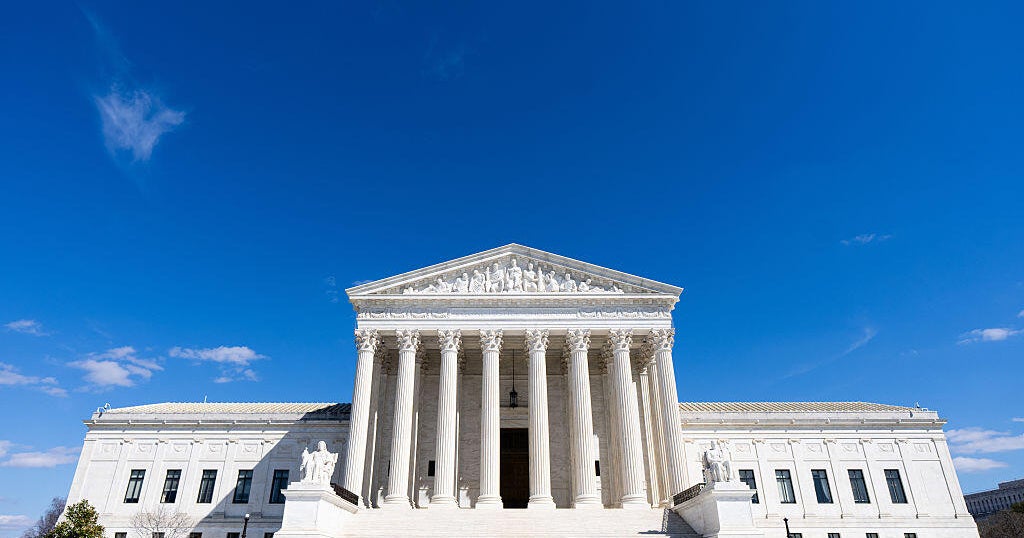
The U.S. Supreme Court (8–1) ruled in favor of Colorado counselor Kaley Chiles, finding that lower courts failed to apply "sufficiently rigorous First Amendment scrutiny" to Colorado's 2019 Minor Conversion Therapy Law as applied to Chiles' talk therapy. Justice Neil Gorsuch wrote the majority opinion, concluding the statute, when applied to Chiles, censors speech based on viewpoint and prescribes what views she may express; Justice Ketanji Brown Jackson dissented. The ruling does not strike down Colorado's law outright; instead it instructs the lower courts to apply strict scrutiny (the highest level of constitutional review) in assessing the law's constitutionality as it affects speech. Colorado's law bars licensed mental health professionals from offering any practice or treatment, including talk therapy, that attempts to change a minor's sexual orientation or gender identity; penalties include fines and possible professional discipline. Chiles sought to provide "faith‑informed" counseling to minors seeking to reduce unwanted sexual attractions or align identity with biological sex; she argued the law censors viewpoint‑based speech and leaves state‑sanctioned support for gender‑affirming treatment intact. Colorado officials and major medical associations have argued the statute regulates professional medical practices to protect minors, citing potential harms and lack of scientific support for conversion efforts. The Supreme Court remanded the case for lower-court review under strict First Amendment scrutiny.
Biblical Reflection
From a Christian perspective this ruling raises two legitimate and morally weighty concerns that must be held together: the protection of vulnerable children and the safeguarding of conscience and truthful speech. The Court’s decision emphasizes the constitutional danger of viewpoint‑based censorship — an important check on government power to dictate or eliminate particular convictions or conversations. At the same time, the state’s interest in protecting minors from practices deemed harmful by major medical bodies reflects a pastoral concern to prevent harm to the young. Christians should discern the competing goods at stake rather than reflexively siding with one pole. Scripture calls us to defend the vulnerable (Proverbs, Micah) and to speak truth in love (Ephesians). When counseling minors, Christians and counselors ought to pursue practices that are both ethically responsible and compassionate, grounded in sound evidence and pastoral care. Be cautious about overbroad labels: not all therapeutic conversations are identical to coercive or physically invasive treatments, yet not all well‑meaning interventions are harmless. The article itself reports the decision and positions of both sides; readers should note implicit frames: legal reporting often centers free‑speech principles, while public‑health perspectives emphasize risk to minors. As Christians, we should advocate for robust religious liberty and conscience protections while also supporting prudent safeguards for children and honest, non‑coercive pastoral care that avoids harm.
Scripture in context
This outlook does not yet include contextual Scripture citations. Do not treat a general biblical theme as an exegetical conclusion.
Faithful Response
No prescribed response is offered. Consider the reflection prompts below in your own church context.
Reflection and Discussion
- 1What assumptions about the relationship between speech and professional conduct shape how this case is argued and reported, and how should that influence my reading of the decision?
- 2How can Christians faithfully defend conscience and free expression while also advocating for protections and evidence‑based care for minors?
- 3Are we distinguishing clearly between coercive or harmful practices and sincere, voluntary pastoral or therapeutic conversations when evaluating laws and policies?
Sources
Reporting links are evidence inputs; Sanctuary News' biblical reflection is commentary.
This outlook currently relies on fewer than two linked sources. Broaden verification before teaching from it.
- 1.Original reportprimary