News Summary
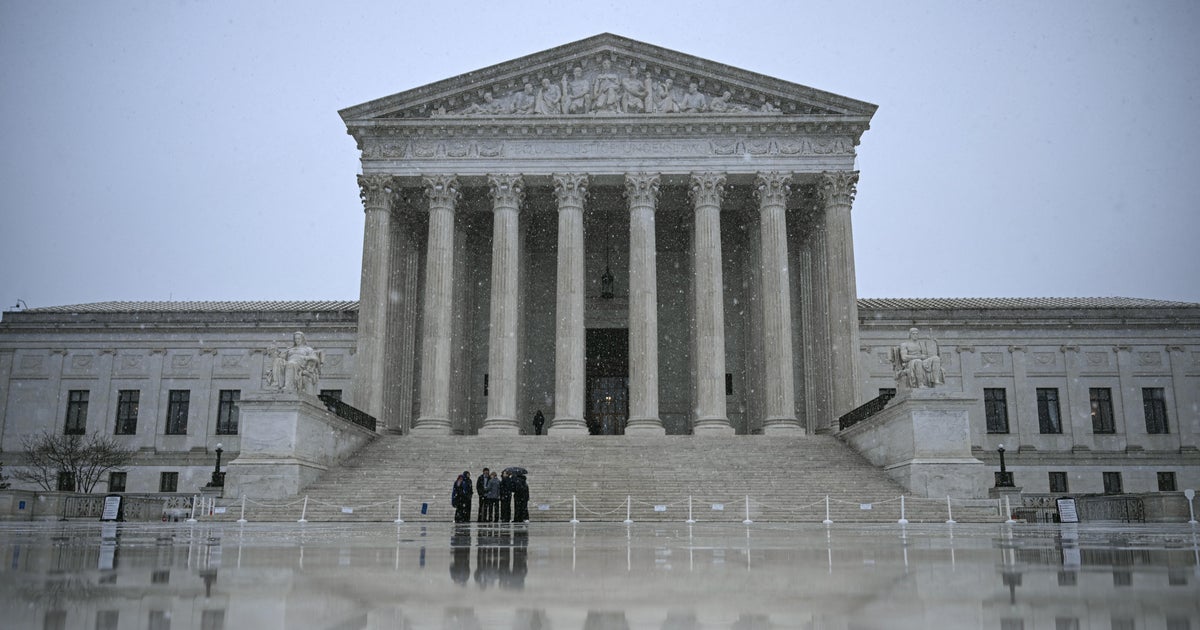
The Supreme Court heard arguments in Watson v. RNC, a dispute over whether federal election statutes enacted in the 1800s prohibit states from counting mail ballots that are postmarked by Election Day but received afterwards. Mississippi allows ballots received up to five days after Election Day to be counted if postmarked by Election Day; similar "grace periods" exist in 13 other states and the District of Columbia. The Republican National Committee and other plaintiffs argue federal law sets a uniform day on which ballots must both be cast and received, and thus state grace periods conflict with federal statutes. Mississippi defends the law under state authority over election administration and points to long-standing state practices and protections for overseas and military voters. During oral argument, conservative justices expressed skepticism of state grace periods and raised concerns about finality and fraud; liberal justices emphasized state authority and the practical need to accommodate mail delays and overseas voting. The case could affect laws in multiple states and the handling of military/overseas ballots and is likely to be decided before the 2026 midterm elections.
Biblical Reflection
From a scriptural perspective this dispute raises several moral and spiritual concerns: the duty to protect the integrity of civic processes, the obligation to defend the vulnerable, and the pursuit of truth rather than partisan advantage. The strong desire for finality, order, and prevention of fraud resonates with biblical calls for justice and honest weights (Proverbs 11:1), yet the same scriptures demand care for those who might be disenfranchised or marginalized. States' exercise of authority and the federal government's role invoke questions of stewardship, subsidiarity, and proper limits of power—matters the Bible speaks to indirectly through principles of righteous rule and humility before lawful authority (Romans 13). Where elections are contested, Christians should press for procedures that are both fair and transparent: procedures that guard against deception and preserve public trust, while also ensuring that legitimate votes—especially from soldiers and citizens abroad—are not arbitrarily excluded. The rhetoric of fear used to undercut mail voting in recent years must be tested against facts and motivated by love of neighbor; scapegoating or amplifying unproven fraud claims violates the call to love truth and neighbor. In short, the right Christian posture is to seek both justice (protecting the integrity of the vote) and mercy (protecting access for those legitimately entitled to vote), to favor transparent, lawful processes over partisan advantage, and to avoid amplifying fear or falsehoods that fracture community trust.
Scripture in context
This outlook does not yet include contextual Scripture citations. Do not treat a general biblical theme as an exegetical conclusion.
Faithful Response
No prescribed response is offered. Consider the reflection prompts below in your own church context.
Reflection and Discussion
- 1Am I more inclined to adopt political talking points or to seek a balanced commitment to both justice (fair, secure elections) and mercy (protecting legitimate access to vote)?
- 2Where in my actions or conversations have I contributed to fear or mistrust about our civic processes rather than to truthful, calming clarity?
- 3How can my church and I support measures that increase transparency and protect voters—especially the vulnerable—without becoming partisan advocates for one side?
Sources
Reporting links are evidence inputs; Sanctuary News' biblical reflection is commentary.
This outlook currently relies on fewer than two linked sources. Broaden verification before teaching from it.
- 1.Original reportprimary