News Summary
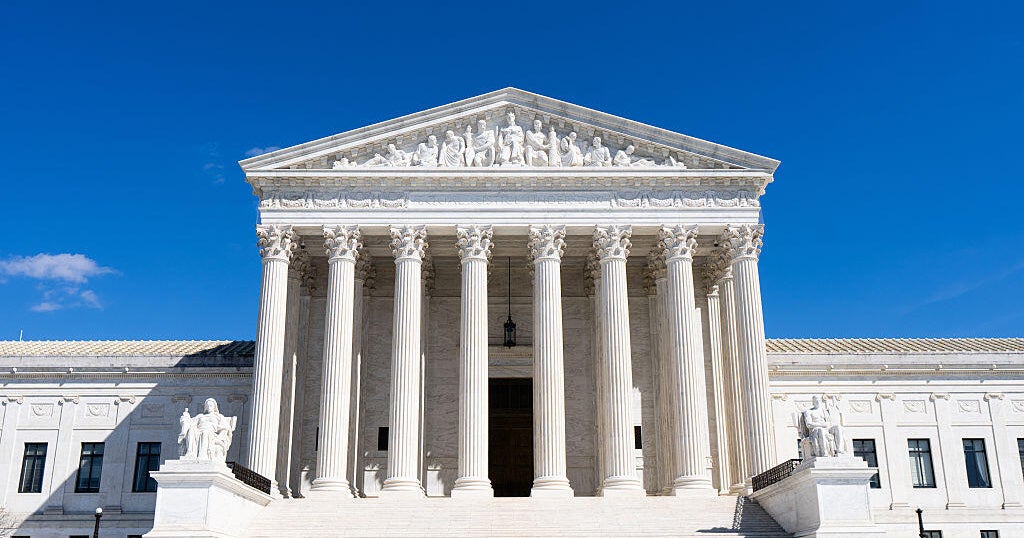
The Supreme Court announced it will hear an appeal in St. Mary Catholic Parish v. Roy, a dispute between Catholic preschools in Colorado and the state over participation in Colorado's state-funded universal preschool program. Colorado's program offers up to 15 hours per week of free preschool to all 4-year-olds before kindergarten and allows public, private, faith-based, and in-home providers to participate. The program's law contains an equal-opportunity nondiscrimination requirement that bars providers from excluding children or families based on protected characteristics, including religious affiliation, sexual orientation, and gender identity. In February 2023 the Archdiocese of Denver, overseeing 34 Catholic preschools, requested an accommodation to permit its preschools to admit only families who adhere to Catholic teachings on gender and sexual orientation. The state's Department of Early Childhood denied the requested exemption, saying no provider may discriminate in violation of state statute. The Archdiocese, two parishes, and a family sued in August 2023, arguing the rule violated the Free Exercise Clause because the program allowed secular exemptions and therefore was not neutral and generally applicable. A district court ruled for the state in June 2024, finding the program neutral and generally applicable and applying rational-basis review. The U.S. Court of Appeals for the 10th Circuit unanimously affirmed, upholding the nondiscrimination requirement and describing the program as compatible with the First Amendment. In taking the case, the Supreme Court noted it will not consider whether to overrule Employment Division v. Smith, the 1990 decision that set the standard about generally applicable laws and religious free exercise. The Trump administration filed an amicus brief supporting the Catholic plaintiffs.
Biblical Reflection
This case sits at the intersection of two convictions important to Christians: the call to love and protect the dignity of every child and the conviction that religious institutions should be able to operate according to their consciences. Neither side is without legitimate concerns. Colorado frames its rule as protecting access to publicly funded services for all families and preventing state-subsidized exclusion based on protected characteristics. The Catholic plaintiffs frame their claim as one of conscience: participating in a taxpayer-funded program should not force them to adopt practices that conflict with core religious teachings. The article accurately reports the procedural history and positions, but media coverage often reduces such disputes to culture-war soundbites—framing one side as purely discriminatory and the other as purely victimized. Scripture calls Christians to both stand for truth of conscience and to love neighbors (Galatians 5:13–14), which suggests ethical nuance rather than absolutist postures. From a legal-theological perspective, the case raises larger questions about how pluralist societies fund services while preserving space for religious bodies to live out beliefs. Practically, Christians should notice the competing goods at stake (equal public access vs. religious integrity) and beware of rhetoric that flattens complex legal and moral claims into simple labels. The outcome will affect not only this set of preschools but broader questions about the participation of faith-based organizations in public programs and how society balances anti-discrimination aims with religious liberty.
Scripture in context
This outlook does not yet include contextual Scripture citations. Do not treat a general biblical theme as an exegetical conclusion.
Faithful Response
No prescribed response is offered. Consider the reflection prompts below in your own church context.
Reflection and Discussion
- 1Does coverage of this dispute emphasize moral absolutism on one side or fairly present the competing goods of religious conscience and equal access to publicly funded services?
- 2How should Christians weigh the obligation to protect vulnerable children who receive public funds against the obligation to preserve institutional religious conscience?
- 3If religious institutions participate in publicly funded programs, what limits or responsibilities should they expect, and how does that shape our understanding of religious freedom in a plural society?
Sources
Reporting links are evidence inputs; Sanctuary News' biblical reflection is commentary.
This outlook currently relies on fewer than two linked sources. Broaden verification before teaching from it.
- 1.Original reportprimary