News Summary
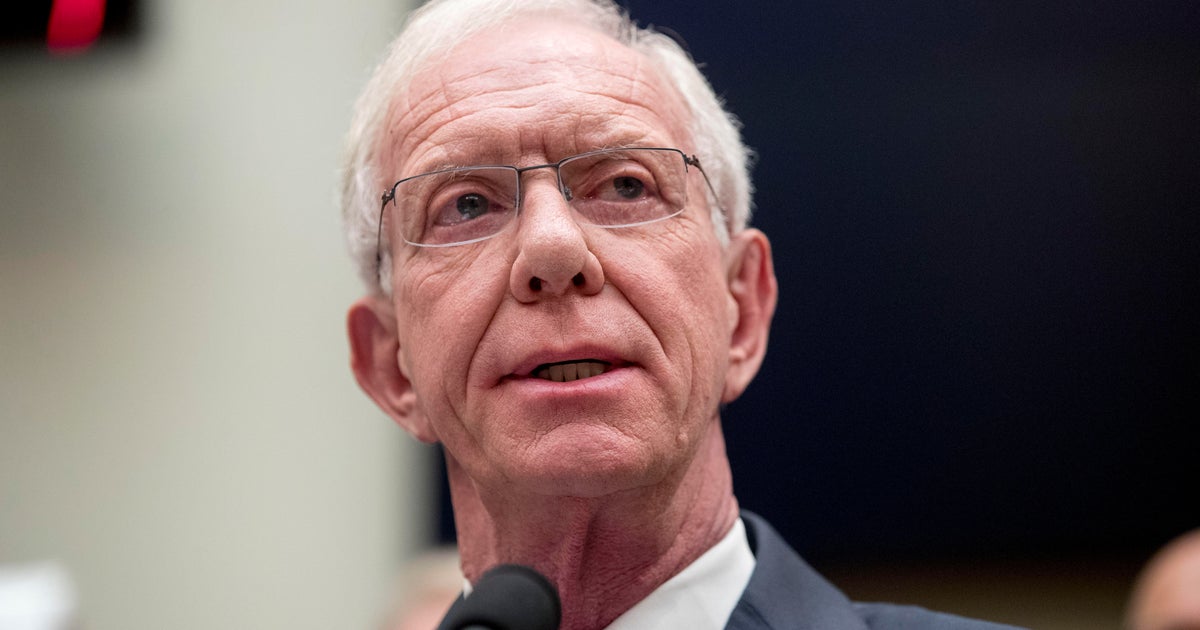
Captain Chesley 'Sully' Sullenberger testified before the House Subcommittee on Aviation that the two fatal crashes involving Boeing 737 Max 8 aircraft (Lion Air Flight 610 in October and Ethiopian Airlines Flight 302 in March) show that the aircraft design and certification system failed. He said a single angle-of-attack sensor failure led to multiple instrument anomalies and false warnings when an automated flight-control system called MCAS overrode pilots' inputs, and that simulator training in the U.S. likely had not prepared pilots for the scenario. Allied Pilots Association president Daniel F. Carey also testified that Boeing did not disclose MCAS to pilots worldwide and that robust training was not conducted. Sullenberger urged Congress to fund and protect the Federal Aviation Administration (FAA), keep it independent from political and economic influence, and protect whistleblowers; he warned that the same failures could occur in U.S. skies if not addressed. Boeing issued a statement saying it is working with regulators and customers to learn from the tragedies and restore trust. The hearing referenced earlier reports that U.S. pilots initially received only brief iPad training on differences between the Max and older 737 models.
Biblical Reflection
This story raises straightforward moral and practical questions about stewardship of human life, institutional transparency, and who we trust to keep the public safe. Sullenberger — a widely respected aviation professional — offered eyewitness-informed critique: he named specific technical causes (AoA sensor failure and MCAS behavior) and tied them to training and certification shortfalls. The article largely reports testimony and supporting claims from pilot representatives alongside Boeing’s brief response; it does not attempt deep technical adjudication, so readers should treat it as reporting on congressional oversight and expert witness claims rather than a final adjudication of blame. From a Christian perspective, the article highlights the need for truth-telling, accountability, and humility in institutions whose decisions affect many lives. It also calls attention to systemic incentives — profit, expediency, or regulatory capture — that can lead organizations to deprioritize safety. Christians should insist on honest investigation, protection for those who expose dangers, restitution and care for victims, and reforms that prioritize neighbor-love (protecting life) over convenience or profit. At the same time, the posture called for is not vindictive condemnation but measured pursuit of truth and corrective action so similar tragedies cannot recur.
Scripture in context
This outlook does not yet include contextual Scripture citations. Do not treat a general biblical theme as an exegetical conclusion.
Faithful Response
No prescribed response is offered. Consider the reflection prompts below in your own church context.
Reflection and Discussion
- 1What incentives or pressures within industries and regulators might let safety be compromised, and how would you spot those patterns in other institutions?
- 2How do we balance the need for firm accountability with mercy and restoration for organizations and individuals involved in tragic failures?
- 3Whose expertise are we listening to, and are those experts given real authority to shape safety standards before harm occurs?
Sources
Reporting links are evidence inputs; Sanctuary News' biblical reflection is commentary.
This outlook currently relies on fewer than two linked sources. Broaden verification before teaching from it.
- 1.Original reportprimary