News Summary
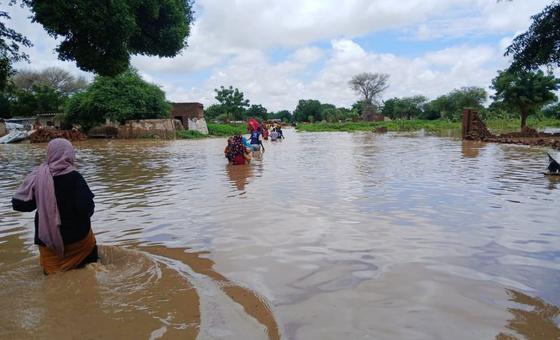
UN News, citing the UN International Organization for Migration (IOM) on 19 August 2026, reports that at least 200,000 people in Sudan were newly displaced since late 2025. The same IOM-sourced report says destructive seasonal floods are compounding the existing humanitarian emergency. The update is brief and presents these figures and the compounding flood risk without geographic breakdown, demographic detail, casualty figures, or independent corroboration within this single article.
Source and Framing Analysis
The update is framed as humanitarian reporting and rests on a single authoritative source: the IOM as reported by UN News. Strengths: IOM is a recognized displacement-tracking agency and UN News clearly attributes the figures and the assessment that floods are worsening the crisis. The piece responsibly emphasizes urgency and need rather than assigning blame. Limitations and framing effects: because it is a short single-source dispatch, it omits geographic breakdowns (where within Sudan the displacements occurred), whether the newly displaced are internally displaced persons (IDPs) or refugees crossing borders, demographic details (age, gender, vulnerability), methodological information about how the 200,000 estimate was produced, casualty counts, humanitarian access constraints, and independent corroboration from other agencies. These omissions leave important operational and accountability questions unanswered.
How sources covered this story
Sanctuary separately assesses reporting quality and alignment with Christian virtues. The virtues assessment considers truthfulness, dignity, compassion, justice, peacemaking, humility, and care for vulnerable people. It does not assess a publisher's faith or reward religious language.
Compare 1 reports
Reporting 78/100Virtues 76/100
- Distinctive contribution
- Names a rounded new displacement figure (200,000) with a timeframe ('since late 2025') and explicitly states that seasonal floods are compounding the humanitarian emergency; attributes the information to the UN International Organization for Migration (IOM).
- Framing
- Concise humanitarian framing emphasizing displacement and worsening conditions due to both conflict and seasonal flooding; presented as an urgent, factual update with institutional attribution.
- Omissions or uncertainty
- No geographic breakdown of where the displacement occurred; no methodology for the displacement estimate; no detail on affected populations (e.g., IDPs vs. refugees), casualty figures, access constraints, humanitarian response capacity, or precise dates beyond 'since late 2025' and 'Wednesday.'
- Why these scores
- Clear, responsibly worded brief with an authoritative attribution (IOM) and a concrete figure. Appropriately cautious and factual for a short dispatch. Limited depth and context because it is a brief update, but not misleading. Respectful, non‑dehumanizing coverage that centers human suffering and urgent need; attributes claims to a credible humanitarian source. Lacks extended compassionate context (e.g., needs assessments or calls for assistance), but does not display sensationalism or disregard for vulnerable people.
Biblical Reflection
Christians are called to lament and to stand with the least protected. The conjunction of armed conflict and seasonal flooding highlights how human violence and environmental vulnerability together drive acute suffering. A faithful Christian response centers truth, mercy, justice, peacemaking, humility, and the dignity of every displaced person. Practically this means offering prayer and concrete mercy, supporting reputable relief actors, advocating for safe humanitarian access and civilian protection, and avoiding dehumanizing or simplistic rhetoric that hardens hearts. The church should combine compassionate relief with sober advocacy for justice and durable peace, recognizing complexity without shirking responsibility to care for neighbors in need.
Scripture in context
- 1Matthew 25:31-46 — In its original context this passage presents a judgment scene where nations are separated according to how they treated the hungry, thirsty, stranger, naked, sick, and imprisoned, stressing concrete acts of mercy as evidence of a righteous life. — The passage calls Christians to recognize and serve Christ in those who are suffering; it grounds a moral obligation to provide tangible care to displaced and flood-affected people rather than treating them as abstractions. It also reminds the church that mercy must be paired with justice and protection for the vulnerable.
Faithful Response
Short-term: pray regularly for displaced families, children, and aid workers; give to vetted humanitarian organizations providing food, water, shelter, and medical care in Sudan; avoid sharing unverified or dehumanizing reports on social media. Medium-term: encourage your congregation to support partners vetted for accountability and protection standards, host educational moments to sustain informed compassion, and coordinate with resettlement or refugee assistance groups if local sponsorship is possible. Long-term: advocate for safe humanitarian access, civilian protection, and policies that reduce vulnerability to both conflict and seasonal flooding. Pastoral care: name the suffering honestly in worship, offer lament and scripture-grounded hope, provide support for community members from affected regions, and resist partisan simplification of the causes.
Reflection and Discussion
- 1How does our immediate emotional response to large displacement figures shape whether we act or retreat?
- 2In what practical ways can our congregation embody hospitality and protection for people uprooted by war and flood?
- 3How should humility about complex geopolitical causes shape our public advocacy while still standing decisively with vulnerable civilians?
Sources
Reporting links are evidence inputs; Sanctuary News' biblical reflection is commentary.
This outlook currently relies on fewer than two linked sources. Broaden verification before teaching from it.
- 1.Sudan war: 200,000 newly displaced as fighting and floods intensifyofficial_document