News Summary
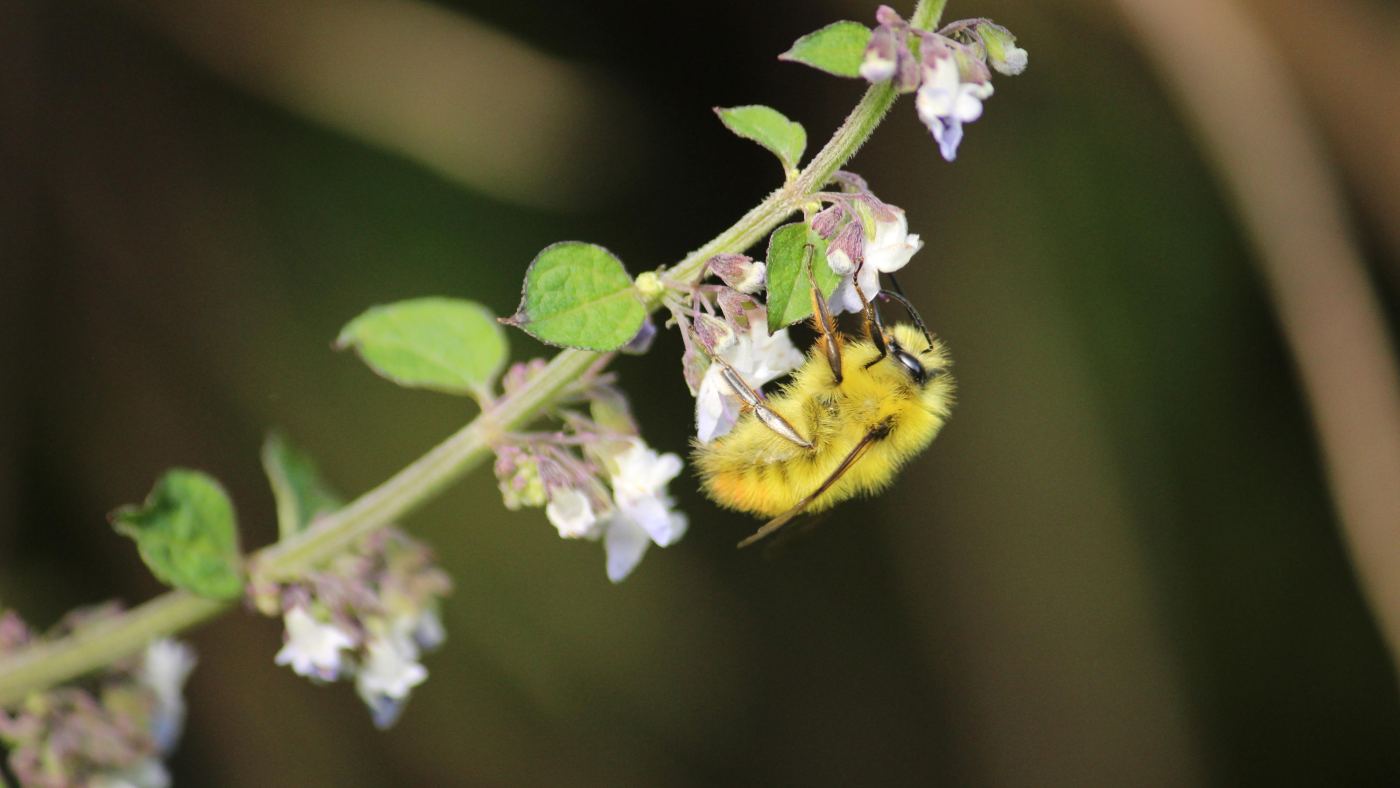
A research team published a study in Nature reporting field work in rural Nepal that links insect pollinators to local diets and incomes. Researchers tracked the diets of 776 people over a year using repeated 24-hour recalls and surveyed insect visitors on local farms, including measurements of pollen carried by different insects. They attribute more than 20% of intake of certain nutrients (notably vitamin E, vitamin A and folate) to crops pollinated by insects, and estimate that pollinated crops account for about 44% of farmers' income in the studied communities. Using models, the team projected that continued pollinator declines could reduce vitamin A and folate intake by roughly 7% by 2030 and that a hypothetical complete loss of pollinators would cause much larger drops in income (approaching ~50% in some estimates) and nutrient intake (~20% for certain vitamins). The authors also modeled interventions — planting wildflowers, providing nesting sites, and reducing pesticide use — and estimated these actions could raise farmer incomes (up to ~30% in their scenarios) and reduce the prevalence of nutrient deficiency (potentially lifting about 9% of the population out of deficiency). Other ecologists quoted in the article praised the scale of the effect but noted some model assumptions and uncertainties about how yield responds to pollinator visits.
Biblical Reflection
The article reports empirically grounded connections between biodiversity and human wellbeing in a vulnerable, agrarian context. From a Christian perspective the findings affirm two scriptural convictions: God’s good creation sustains human life, and care for creation often bears directly on the welfare of the poor. The study’s practical message — that relatively simple, low-cost restoration actions can improve both nutrition and income — fits a stewardship ethic (responsible care for creation) and a neighbor-love ethic (protecting livelihoods of smallholder farmers). At the same time, readers should note the scientific limits: projections rely on modeling assumptions, the specific magnitudes derive from one regional study and may not generalize everywhere, and ecological responses to interventions can be complex. The article’s framing is largely instrumental (biodiversity because of human benefit); Scripture invites both that recognition and a richer view that creation has intrinsic value and that stewardship is a moral duty, not only a means to economic ends. Christians responding to this news can thus advocate for policies and practices that protect pollinators because they safeguard human health and livelihoods, because they honor God’s handiwork, and because protecting vulnerable communities is a biblical priority.
Scripture in context
This outlook does not yet include contextual Scripture citations. Do not treat a general biblical theme as an exegetical conclusion.
Faithful Response
No prescribed response is offered. Consider the reflection prompts below in your own church context.
Reflection and Discussion
- 1How does the study’s focus on human benefits shape public support for conservation, and what does that instrumental framing leave out about our moral reasons for protecting creation?
- 2What assumptions in ecological and economic models (e.g., proportional yield declines with fewer pollinator visits) should we scrutinize before applying these projections to policy or aid decisions?
- 3Given that poor, smallholder communities are directly dependent on local ecosystems, how should Christian public witness balance immediate practical interventions with longer-term stewardship and structural justice?
Sources
Reporting links are evidence inputs; Sanctuary News' biblical reflection is commentary.
This outlook currently relies on fewer than two linked sources. Broaden verification before teaching from it.
- 1.Original reportprimary